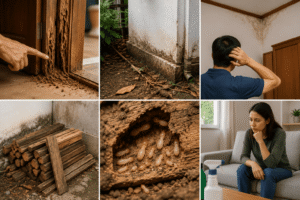
Goa is famous for its beautiful beaches, lush greenery, tropical climate, and charming Portuguese-style homes. While these features make Goa one of India’s most desirable places to live and invest in property, they also create the perfect environment for one of the most destructive pests—termites.
Thousands of homeowners discover termite damage only after wooden furniture, doors, cabinets, or structural timber have already been severely affected. Unfortunately, termites work silently behind walls, under floors, and inside wooden structures, making them difficult to detect without a professional inspection.
That’s why scheduling a termite inspection in Goa is one of the smartest investments for homeowners, apartment owners, villa owners, hotels, restaurants, offices, schools, and commercial buildings.
A professional termite inspection helps identify termite activity early, preventing costly repairs and protecting your property’s value.
Why Goa Has a High Risk of Termite Infestation
Goa’s climate naturally supports termite colonies.
Several environmental conditions contribute to termite growth:
- High humidity throughout the year
- Heavy monsoon rainfall
- Warm tropical temperatures
- Wooden houses and furniture
- Moist soil around buildings
- Garden landscapes
- Coconut and palm trees
- Old timber structures
Subterranean termites especially thrive in damp soil, creating underground tunnels that allow them to invade homes unnoticed.
Because of these favorable conditions, experts recommend regular termite inspection in Goa, especially before and after the monsoon season.
What Is a Termite Inspection?
A termite inspection is a detailed examination of a property conducted by trained professionals to detect:
- Active termite colonies
- Termite mud tubes
- Wood damage
- Hollow wooden structures
- Moisture problems
- Entry points
- Conditions encouraging termite activity
- Previous termite damage
- Hidden infestations
Unlike a basic visual check, professional inspectors use systematic methods to examine both visible and concealed areas where termites are likely to thrive.
The goal is early detection before termites cause extensive structural damage.
Why Professional Termite Inspection Is Important
Many people believe that termites only attack old houses.
This is completely false.
Termites attack:
- Newly constructed homes
- Luxury villas
- Apartments
- Wooden cottages
- Resorts
- Hotels
- Commercial offices
- Restaurants
- Warehouses
- Educational institutions
- Hospitals
Even premium furniture made from hardwood is vulnerable.
Professional termite inspection in Goa helps identify problems before they become expensive repairs.
Common Areas Inspected During a Termite Inspection
A comprehensive inspection covers nearly every part of your property.
Inspectors typically examine:
Interior Areas
- Wooden doors
- Door frames
- Window frames
- Wardrobes
- Kitchen cabinets
- False ceilings
- Wooden flooring
- Staircases
- Furniture
- Loft storage
- Utility rooms
Exterior Areas
- Foundation walls
- Garden boundaries
- Wooden fencing
- Tree stumps
- Decking
- Pergolas
- Outdoor furniture
- Garage structures
- Drainage systems
Hidden Areas
- Crawl spaces
- Basements
- Roof timber
- Electrical conduits
- Plumbing entry points
- Wall cavities
- Expansion joints
Early Signs You Need a Termite Inspection in Goa
Many homeowners ignore early warning signs because termites remain hidden.
Watch for these indicators:
Mud Tubes
Subterranean termites build pencil-sized mud tubes along walls, foundations, and pipes.
These tubes protect termites while traveling between their colony and food source.
Hollow Wood
Tap wooden furniture or doors.
If they sound hollow, termites may have eaten the inside while leaving the surface intact.
Bubbling Paint
Paint that appears bubbled or swollen often indicates moisture caused by termite activity.
Tight Doors and Windows
Warped wood resulting from termite damage can make doors and windows difficult to open.
Discarded Wings
Flying termites shed their wings after mating.
Small piles of transparent wings near windows or lights are a warning sign.
Frass
Drywood termites leave behind tiny pellet-like droppings resembling sawdust.
Sagging Floors
Advanced infestations may weaken flooring systems.
Cracked Wooden Furniture
Internal termite feeding weakens furniture from the inside out.
Different Types of Termites Found in Goa
Understanding termite species helps determine the right inspection and treatment strategy.
Subterranean Termites
These are the most destructive termites in Goa.
Characteristics:
- Live underground
- Build mud tubes
- Large colonies
- Attack foundations
- Spread quickly
- Cause severe structural damage
Drywood Termites
Unlike subterranean termites, drywood termites live entirely inside wood.
Commonly found in:
- Furniture
- Wooden doors
- Antique furniture
- Roof beams
- Cabinets
Dampwood Termites
These termites prefer moist timber.
They often infest:
- Water-damaged wood
- Leaking roofs
- Damp basements
- Rotten logs
Who Should Schedule a Termite Inspection?
Professional termite inspection is recommended for:
- Homeowners
- Villa owners
- Apartment owners
- Property investors
- Hotels
- Resorts
- Restaurants
- Offices
- Builders
- Real estate developers
- Schools
- Warehouses
- Hospitals
Even if no visible termites are present, preventive inspections can detect hidden infestations before major damage occurs.
Benefits of Regular Termite Inspection in Goa
Routine inspections provide long-term protection and peace of mind.
Key benefits include:
- Early detection of termite colonies
- Reduced repair costs
- Protection of wooden furniture
- Improved property value
- Prevention of structural damage
- Safer living environment
- Long-term savings
- Better pest management planning
- Increased confidence during property sales or purchases