
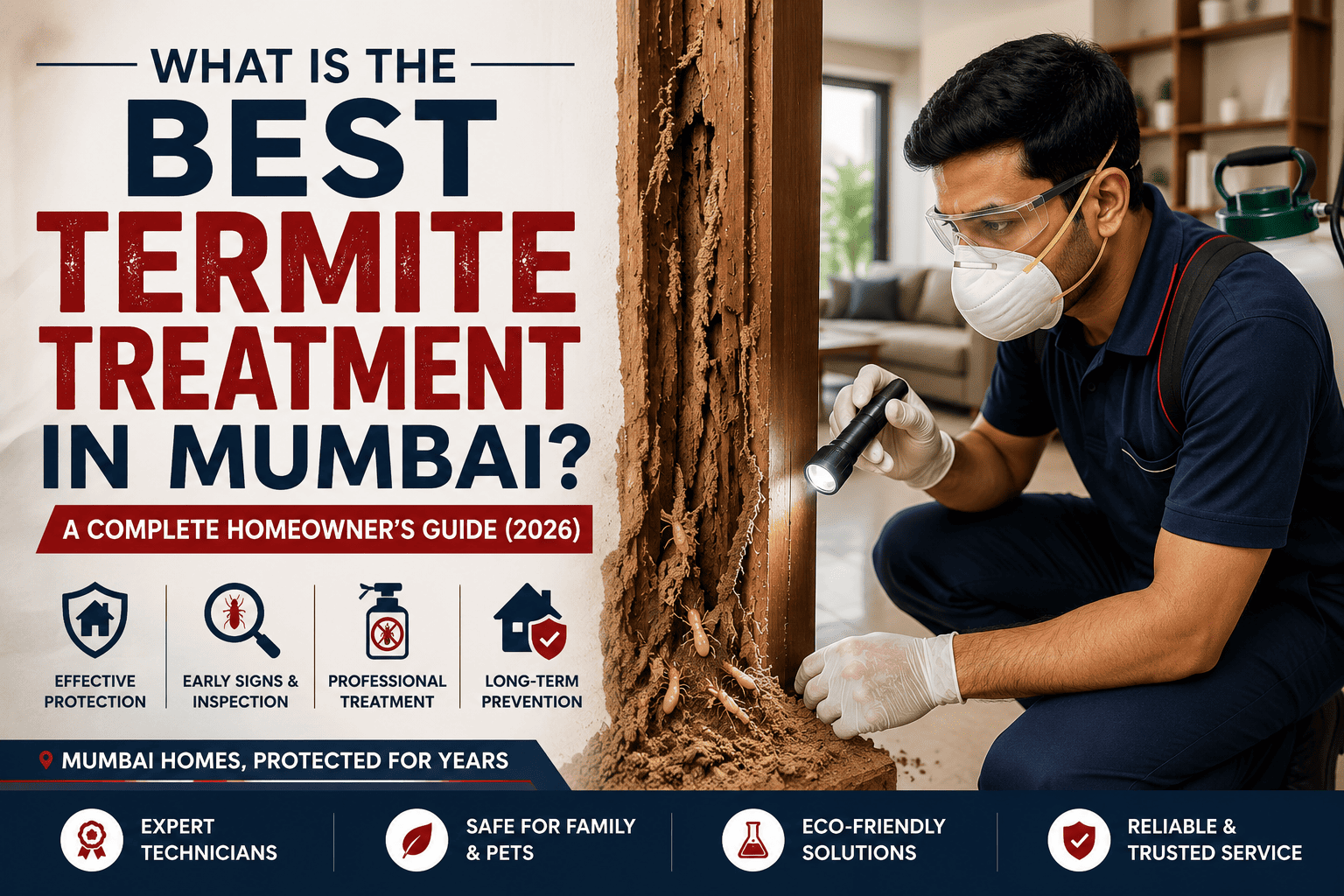
Looking for the best termite treatment in Mumbai? Termites are one of the most destructive pests affecting homes and commercial properties across the city. Often referred to as “silent destroyers,” these insects can damage wooden furniture, doors, windows, flooring, false ceilings, and even the structural framework of a building before homeowners notice any visible signs. Unlike cockroaches or ants, termites work quietly behind walls, beneath floors, and inside wooden structures, making early detection difficult. Understanding the signs of infestation and choosing the best termite treatment in Mumbai can help protect your property from costly damage.
Mumbai’s tropical climate, high humidity, heavy monsoon rainfall, and dense urban development create ideal conditions for termite colonies to thrive throughout the year. Whether you own an apartment in Andheri, a bungalow in Borivali, an office in Lower Parel, or a shop in Navi Mumbai, termites can invade any property if preventive measures are not taken.
Many homeowners first discover termites only after finding damaged furniture, hollow wooden doors, mud tubes along walls, or discarded termite wings near windows. By that time, the infestation may already be extensive, resulting in expensive repairs that could have been avoided with timely professional treatment.
If you’re searching for the best termite treatment in Mumbai, this guide explains everything you need to know—from identifying termite infestations and understanding why termites are common in Mumbai to choosing the most effective treatment methods and preventing future infestations.
Why Termites Are a Major Problem in Mumbai

Mumbai experiences warm temperatures and high moisture levels for most of the year. These environmental conditions are ideal for termite colonies to grow rapidly.
Several local factors contribute to the increasing number of termite infestations:
High Humidity
Humidity keeps wood damp, making it more attractive to termites. Wooden furniture, kitchen cabinets, wardrobes, and door frames absorb moisture over time, creating favourable conditions for termite activity.
Long Monsoon Season
Heavy rainfall during the monsoon increases soil moisture, allowing subterranean termites to build mud tunnels more easily and move into buildings without being noticed.
Rapid Urban Development
Construction activities across Mumbai frequently disturb termite colonies living underground. When their natural habitat is disrupted, termites often migrate to nearby homes, offices, and commercial buildings.
Dense Residential Areas
Apartment complexes, shared walls, and closely built structures make it easier for termites to spread from one property to another.
Wooden Interiors
Modern homes often feature:
- Wooden wardrobes
- Modular kitchens
- Wooden flooring
- Decorative wall panels
- False ceilings
- Office furniture
All of these can become food sources for termites if left unprotected.
Common Types of Termites Found in Mumbai
Understanding the type of termite helps determine the most effective treatment method.
1. Subterranean Termites
These are the most destructive termites found in Mumbai.
They live underground and enter buildings through mud tubes built along walls, foundations, and plumbing lines.
Common targets include:
- Wooden furniture
- Door frames
- Window frames
- Kitchen cabinets
- Structural timber
Subterranean termites require professional treatment because simply spraying visible insects will not eliminate the underground colony.
2. Drywood Termites
Unlike subterranean termites, drywood termites live entirely inside dry wooden structures.
They commonly infest:
- Antique furniture
- Wooden cupboards
- Wooden doors
- Decorative wooden items
These termites are difficult to detect because they remain hidden inside wood for long periods.
3. Dampwood Termites
Although less common, dampwood termites may appear in areas with excessive moisture, leaking pipes, or water-damaged wood.
Properties with poor drainage or plumbing leaks are more susceptible.
How Do Termites Enter Your Home?
Many homeowners believe termites only attack old houses. In reality, even newly constructed apartments can develop termite infestations.
Common entry points include:
- Foundation cracks
- Expansion joints
- Plumbing pipelines
- Electrical conduits
- Gaps around doors
- Wall cracks
- Underground utility lines
Once termites enter a property, they establish hidden tunnels that allow them to move throughout the building without exposure to light.
Early Signs of Termite Infestation
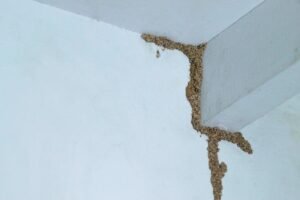
Detecting termites early can save thousands of rupees in repair costs.
Watch for these warning signs:
Mud Tubes
Thin, pencil-sized mud tunnels running along walls or foundations are one of the most common indicators of subterranean termites.
These tubes protect termites while they travel between their nest and food source.
Hollow Wooden Furniture
Tap wooden furniture with your knuckles.
If it sounds hollow or papery, termites may have already consumed the interior.
Discarded Wings
Flying termites shed their wings after finding a place to establish a new colony.
Small piles of transparent wings near windows, balconies, or lights are a warning sign.
Difficult-to-Close Doors or Windows
As termites damage wooden frames, the wood may swell or warp due to moisture, causing doors and windows to stick.
Bubbling Paint
Paint that appears blistered or bubbling may indicate termite tunnels beneath the surface.
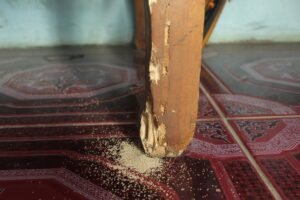
Tiny Holes in Wood
Small pin-sized holes with fine powder nearby can indicate termite activity inside furniture.
Clicking Sounds
In quiet environments, termites sometimes produce faint clicking sounds while feeding or communicating inside wooden structures.
Why DIY Termite Treatments Usually Fail
Many homeowners initially attempt to eliminate termites using sprays purchased from supermarkets or online marketplaces.
Unfortunately, these products rarely solve the problem.
Here’s why:
They Kill Only Visible Termites
The termites you see represent only a small portion of the colony.
Thousands or even millions remain hidden underground or inside walls.
Colonies Continue Growing
Even if surface termites die, the queen continues laying eggs deep inside the nest.
Without eliminating the colony, termites quickly return.
Incorrect Chemical Application
Professional termite treatment involves precise application around foundations, walls, and soil.
Improper use of chemicals leaves untreated gaps where termites can continue entering.
Health and Safety Risks
Using pesticides incorrectly can expose children, pets, and family members to unnecessary risks.
Professionals follow approved application methods and safety guidelines to reduce exposure while targeting termites effectively.
Why Professional Termite Treatment Is the Better Choice
Professional termite control goes beyond simply spraying chemicals.
Experienced technicians:
- Inspect the entire property.
- Identify termite species.
- Locate hidden entry points.
- Detect moisture issues.
- Assess structural damage.
- Recommend the most suitable treatment.
- Provide preventive advice to reduce future infestations.
This systematic approach helps address the source of the infestation rather than just the visible symptoms.
Why Immediate Action Matters
Ignoring termite activity can lead to increasing damage over time. Termites feed continuously, and a small infestation can grow into a much larger colony if left untreated.
Prompt inspection and treatment can help:
- Protect wooden furniture.
- Reduce repair costs.
- Preserve structural wood.
- Prevent the infestation from spreading to other areas of the property.
If you notice mud tubes, damaged wood, or discarded wings, arranging a professional inspection sooner rather than later is often the most practical step.
What Is the Best Termite Treatment in Mumbai?
There is no single termite treatment that works for every property. The most effective solution depends on several factors, including the type of termite, the severity of the infestation, the age of the building, and whether the property is under construction or already occupied.
For most residential and commercial properties in Mumbai, professional post-construction termite treatment combined with a detailed inspection and follow-up monitoring is considered one of the most effective approaches for active infestations.
A qualified pest control technician will first inspect the property, identify the termite species, locate the source of the infestation, and recommend the most suitable treatment method.
1. Post-Construction Termite Treatment
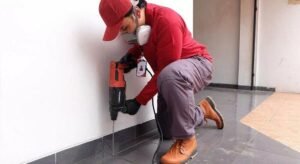
Post-construction termite treatment is designed for existing homes, apartments, offices, shops, and commercial buildings where termites have already been detected.
Since the building has already been completed, technicians create a protective chemical barrier around and beneath the structure using specialized equipment.
How It Works
The treatment generally includes:
- Inspection of affected areas
- Drilling small holes near walls and flooring where required
- Injecting approved termiticides into the soil
- Treating wooden frames and furniture if necessary
- Sealing drill holes after treatment
- Final inspection and recommendations
The goal is to interrupt termite movement between the underground colony and the structure.
Suitable For
- Apartments
- Villas
- Independent houses
- Offices
- Restaurants
- Warehouses
- Schools
- Hospitals
2. Pre-Construction Anti-Termite Treatment
This treatment is carried out before a building is constructed.
It creates a protective barrier beneath the foundation, reducing the likelihood of termites entering the structure after construction.
The process typically includes treatment of:
- Foundation trenches
- Soil beneath flooring
- Column pits
- External foundation walls
- Expansion joints
Builders and developers often include pre-construction termite treatment as part of new construction projects.
3. Soil Treatment
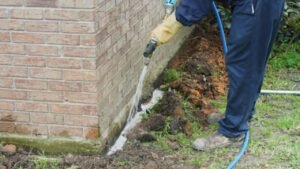
Subterranean termites usually live underground.
Soil treatment targets the area where termite colonies travel before entering the building.
Professional technicians apply approved termiticides into the soil surrounding the property to create a protective barrier.
This method is particularly effective because it addresses the termite pathways rather than only the visible insects.
4. Wood Treatment
Wood treatment protects wooden structures from termite damage.
It is commonly used for:
- Door frames
- Window frames
- Wooden wardrobes
- Modular kitchens
- Wooden flooring
- Decorative wall panels
- Office furniture
Depending on the situation, technicians may use surface applications or inject treatment into infested wood.
Wood treatment is usually combined with soil treatment for better long-term protection.
5. Termite Baiting Systems
Baiting systems are another professional method used in termite management.
Instead of applying a continuous chemical barrier, bait stations are installed around the property.
Worker termites consume the bait and carry it back to the colony, allowing the active ingredient to spread among other termites.
Baiting systems can be useful where extensive drilling is not practical or where ongoing monitoring is required.
Which Treatment Is Best for Mumbai Homes?
Mumbai presents unique challenges because of:
- High humidity
- Frequent rainfall
- Coastal weather
- Dense residential construction
- Continuous building activity
For these conditions, professional inspection is essential.
Depending on the property, technicians may recommend:
- Post-construction treatment
- Soil treatment
- Wood treatment
- Localized termite treatment
- Monitoring and follow-up inspections
The right combination depends on the extent and location of the infestation.
Why Professional Inspection Comes First
Many homeowners want to know the treatment cost before scheduling an inspection.
However, two houses of similar size can require very different treatment plans.
During an inspection, professionals typically assess:
- Type of termite
- Areas affected
- Moisture levels
- Entry points
- Structural damage
- Wooden furniture
- Garden or soil conditions
- Previous termite treatment history
This helps ensure that treatment targets the source of the infestation rather than only visible damage.
How Long Does Professional Termite Treatment Take?
Treatment duration depends on:
- Property size
- Severity of infestation
- Number of treatment areas
- Type of treatment selected
A standard apartment may take only a few hours, while larger villas, offices, or commercial buildings can require more time.
After treatment, technicians may recommend periodic inspections to monitor for new activity.
Is Termite Treatment Safe?
When carried out by trained professionals using approved products according to label instructions, termite treatment is generally designed to minimize exposure while effectively targeting termites.
Homeowners should always:
- Follow the technician’s instructions.
- Keep children and pets away from treated areas for the recommended period.
- Allow treated areas to dry or ventilate as advised.
- Avoid disturbing treated soil or drilled locations immediately after service.
Always discuss any health concerns or special household requirements with your pest control provider before treatment begins.
Can You Eliminate Termites Permanently?
No pest control company can honestly guarantee that termites will never return.
Termites naturally exist in the environment, especially in warm and humid regions such as Mumbai.
However, professional treatment can significantly reduce active infestations and provide long-term protection when combined with:
- Regular inspections
- Moisture control
- Prompt repairs
- Good property maintenance
Preventive maintenance is just as important as the initial treatment.
Common Mistakes Homeowners Make
Many infestations become worse because treatment is delayed.
Common mistakes include:
Ignoring Early Warning Signs
Small mud tubes or damaged furniture are often dismissed until the infestation becomes severe.
Using Only DIY Sprays
Household sprays may kill visible termites but do not eliminate hidden colonies.
Delaying Professional Inspection
Waiting several months allows termites to continue feeding and expanding their colony.
Repairing Damaged Wood Too Soon
Replacing termite-damaged wood before treatment can allow termites to attack the new material.
Choosing Only the Lowest Price
The cheapest quote is not always the best value.
Consider factors such as:
- Experience
- Inspection process
- Treatment plan
- Follow-up service
- Warranty terms (where offered)
- Customer reviews
How to Choose the Best Termite Control Company in Mumbai
Before hiring a termite control provider, ask:
- How long has the company been operating?
- Do they perform a detailed inspection before treatment?
- Which termite treatment method do they recommend and why?
- Will they explain the treatment process clearly?
- Is follow-up service available?
- Are technicians trained?
- What precautions should homeowners take before and after treatment?
A professional company should answer these questions openly and recommend a treatment based on the inspection rather than offering the same solution for every property.
Why Regular Inspections Matter
Even after successful treatment, annual termite inspections can help detect new activity before significant damage occurs.
Regular inspections are especially valuable for:
- Independent houses
- Villas
- Older buildings
- Properties with extensive wooden interiors
- Commercial buildings
- Warehouses
- Schools
- Restaurants
Early detection is often the most cost-effective way to manage termite problems.
How Much Does Termite Treatment Cost in Mumbai?
One of the first questions homeowners ask is, “How much does termite treatment cost in Mumbai?“
The answer depends on several factors because every property and infestation is different. Professional pest control companies usually inspect the property before providing a final quotation.
Factors That Affect the Cost
1. Property Size
Larger properties require more time, equipment, and treatment materials.
Examples include:
- 1 BHK Apartment
- 2 BHK Apartment
- 3 BHK Apartment
- Independent House
- Villa
- Commercial Office
- Warehouse
- Retail Shop
2. Severity of Infestation
A newly discovered infestation generally requires less treatment than a colony that has been active for several months or years.
3. Type of Treatment
Costs vary depending on whether you require:
- Post-construction termite treatment
- Pre-construction termite treatment
- Soil treatment
- Wood treatment
- Localized termite treatment
- Annual maintenance plan
4. Accessibility
Some infestation areas are easy to access, while others require drilling into floors, wall junctions, or concealed spaces.
5. Follow-Up Visits
Some companies include inspection and follow-up visits as part of the treatment package, while others charge separately.
Always ask what is included before confirming the booking.
Is Professional Termite Treatment Worth the Cost?
Many homeowners hesitate because they believe termite treatment is expensive.
However, delaying treatment often results in significantly higher repair costs.
Termites can damage:
- Wooden wardrobes
- Kitchen cabinets
- Office furniture
- Wooden flooring
- Door frames
- Window frames
- False ceilings
- Decorative wooden panels
Repairing or replacing damaged wood can cost far more than arranging professional treatment at the early stages of an infestation.
How to Prevent Termites in Mumbai Homes
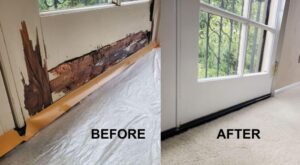
Although no property is completely immune to termites, following good maintenance practices can greatly reduce the risk.
Keep Moisture Under Control
Repair leaking taps, pipes, and drainage issues promptly.
Moist environments encourage termite activity.
Inspect Wooden Furniture Regularly
Check wardrobes, beds, cupboards, and cabinets every few months for:
- Mud tubes
- Hollow wood
- Tiny holes
- Damaged edges
- Powder-like residue
Early detection helps prevent larger infestations.
Avoid Wood-to-Soil Contact
Wooden structures placed directly on damp soil create easy access for subterranean termites.
Whenever possible, keep wooden items elevated and dry.
Store Firewood Away from the House
Firewood, cardboard, and untreated timber can attract termites.
Keep these materials away from walls and foundations.
Seal Entry Points
Inspect your property for:
- Foundation cracks
- Wall gaps
- Utility pipe openings
- Floor joints
Sealing these areas may reduce possible entry routes.
Schedule Annual Inspections
A professional inspection once a year can identify early termite activity before serious structural damage occurs.
This is particularly important for older buildings and homes with extensive wooden interiors.
Why Mumbai Homes Need Regular Termite Inspections
Mumbai’s climate creates ideal conditions for termite colonies throughout the year.
Areas with high humidity, older buildings, and ongoing construction are especially vulnerable.
Regular inspections help detect:
- Hidden termite activity
- Moisture problems
- Structural vulnerabilities
- Early wood damage
Finding termites early often means less extensive treatment.
Common Myths About Termites
Myth 1: Only Old Houses Get Termites
Fact: Even newly constructed apartments can develop termite infestations.
Myth 2: Concrete Buildings Cannot Get Termites
Fact: While termites do not eat concrete, they can travel through cracks and reach wooden doors, furniture, cabinets, and flooring.
Myth 3: DIY Sprays Solve the Problem
Fact: Household sprays usually affect only visible termites and do not eliminate hidden colonies.
Myth 4: One Treatment Means Termites Will Never Return
Fact: No company can guarantee termites will never reappear. Ongoing monitoring and property maintenance remain important.
Frequently Asked Questions
How do I know if I have termites?
Common signs include mud tubes, hollow wood, discarded wings, damaged furniture, and doors or windows that suddenly become difficult to close.
Can termites damage concrete?
No. Termites do not consume concrete, but they can travel through cracks and gaps to reach wooden materials inside a building.
How long does termite treatment last?
The duration varies depending on the treatment method, property conditions, and environmental factors. Regular inspections help maintain protection over time.
Is termite treatment safe for families?
Professional termite treatment should always be carried out according to the product label and by trained technicians. Follow the technician’s guidance regarding re-entry, ventilation, and any precautions for children or pets.
Should I replace damaged furniture before treatment?
No.
It is generally better to complete the termite treatment first. Replacing furniture before eliminating the infestation may expose the new wood to termites if the colony is still active.
Can termites spread to neighbouring apartments?
Yes.
In apartment buildings and shared structures, termites can move through expansion joints, service ducts, and structural gaps, making early treatment important.
Why Choosing the Right Pest Control Company Matters
Professional termite treatment involves much more than applying chemicals.
A reliable provider should:
- Conduct a detailed inspection
- Identify the termite species
- Explain the recommended treatment
- Provide clear preparation instructions
- Use products according to approved guidelines
- Offer follow-up recommendations
- Maintain transparent communication
Experience with Mumbai’s climate and building types can also help technicians recommend appropriate treatment plans.
Final Thoughts

Termites are among the most destructive pests affecting homes and commercial properties in Mumbai. Because they often remain hidden until damage becomes visible, delaying treatment can lead to expensive repairs and unnecessary stress.
Professional inspection is the first step toward identifying the extent of an infestation and selecting the most appropriate treatment method. Combined with regular maintenance, moisture control, and periodic inspections, professional termite management can help protect your property for the long term.
If you’ve noticed mud tubes, hollow wooden furniture, discarded wings, or other signs of termite activity, it’s wise to arrange an inspection as soon as possible. Acting early can reduce damage, lower repair costs, and help keep your home or workplace protected.
Conclusion
Finding the best termite treatment in Mumbai isn’t about choosing the cheapest service—it’s about selecting a solution that’s appropriate for your property and carried out by experienced professionals. Whether you own an apartment, villa, office, or commercial building, early detection and timely treatment are the keys to minimizing damage.
If you suspect termite activity, schedule a professional inspection, understand your treatment options, and take preventive measures to reduce future infestations. A proactive approach today can help safeguard your investment for years to come.