
Early Warning Signs of Subterranean Termite Infestation
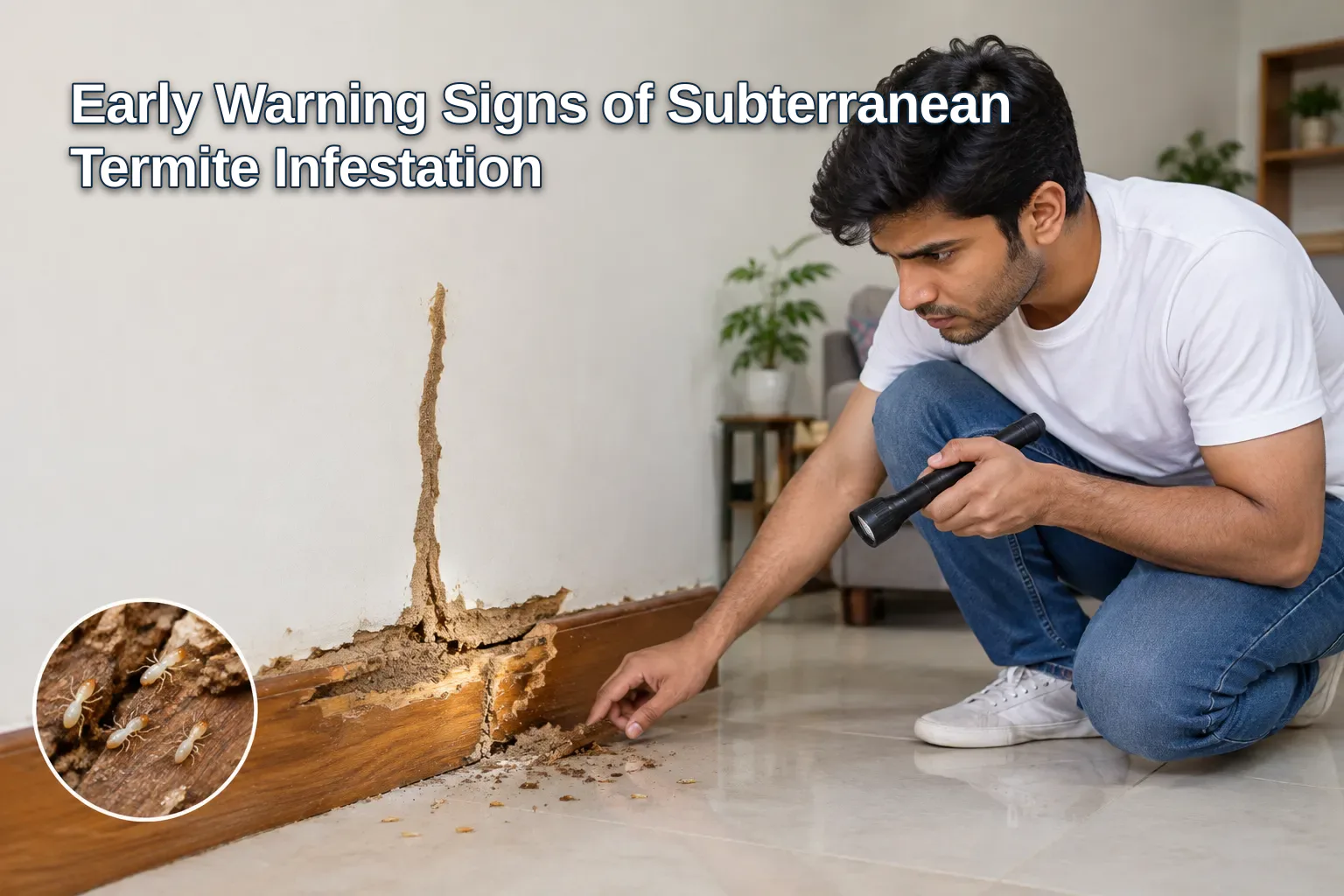
Understanding Subterranean Termites: Behavior and Risks
Subterranean termites, common in urban areas like Bengaluru and Delhi, pose significant risks to both structural integrity and property value. Recognizing their behavior and implementing an effective pest control strategy is crucial for homeowners and building professionals. Subterranean termites thrive in moisture-rich environments, often entering buildings undetected through foundational cracks. Their colony dynamics include workers, soldiers, and reproductive alates, each with distinct roles essential for colony survival.
To safeguard your property, follow these key guidelines:
- Regular Residential Inspections: Schedule inspections, ideally twice a year, focusing on obstruction-free access to crawl spaces and basements. An inspection checklist should encompass:
- Evidence of mud tubes on walls or foundations, characteristic of subterranean termite activity.
- Faint scratches or weak spots on wood, indicating termite feeding.
- Wings discarded by swarming alates.
- Moisture Management: Control moisture levels, a primary attractant for termites:
- Fix leaking pipes and ensure proper drainage away from the building perimeter.
- Install dehumidifiers in moisture-prone areas such as basements.
- Implement Structural Barriers: Opt for odorless anti-termite treatments:
- For pre-construction, an odorless soil barrier to deter entry is optimal.
- For post-construction, employ odorless drill-and-inject perimeter protocols to establish a non-repellent safety zone.
- Woodwork Protection: Safeguard interior assets such as modular kitchens, wooden door frames, and hardwood flooring by:
- Conducting regular inspections for signs of termite damage.
- Using high-quality, termite-resistant wood treatments in susceptible areas.
Effectively addressing an infestation requires knowledge of termite behavior, comprehensive inspections, and diligent moisture management. Seamlessly incorporating these practices not only shields your property but also enhances its value, offering peace of mind against termite threats.
Identifying Early Signs of Infestation in Your Home
Detecting subterranean termite infestations early is critical to prevent costly damage to your home. By incorporating a meticulous inspection checklist and opting for odorless pest control treatments, you can safeguard your property's structural integrity and woodwork. Here's how to identify the early warning signs and implement effective residential treatments.
Start by conducting regular inspections focusing on common termite entry points:
- Foundation and Basement: Inspect the foundation walls and any exposed brick or concrete for mud tubes. Termites use these shelter tubes to maintain moisture as they travel from soil to wood structures.
- Wooden Structures and Features: Examine wooden door frames, baseboards, and hardwood flooring for signs of hollow-sounding wood. Tap gently with a screwdriver—if it sounds hollow, termites might be feeding within.
- Moisture-Prone Areas: Check areas with high humidity levels, such as bathrooms and kitchens. Termites are attracted to moisture, making leaky faucets or poor drainage systems potential infestation sites.
- Outdoor Structures: Inspect patios, decks, and wooden fencing. These areas are particularly susceptible to infestations due to their proximity to soil and constant exposure to outdoor conditions.
Opt for odorless termite treatments when issues are detected:
- Perimeter Barrier: Implement a drill-and-inject perimeter barrier with micro-encapsulated odorless formulations. This method creates an impassable shield around your home, preventing termites from breaching interior spaces.
- Pre-Construction Soil Treatment: For new builds in Bengaluru, Goa, Delhi, Pune, Noida, or Mumbai, consider applying odorless soil barriers before construction begins to deter future infestations.
By following these steps and utilizing an expert pest control service offering advanced odorless treatments, property owners can effectively manage termite risks, ensuring the longevity and safety of their homes.
Conducting a Comprehensive Termite Inspection
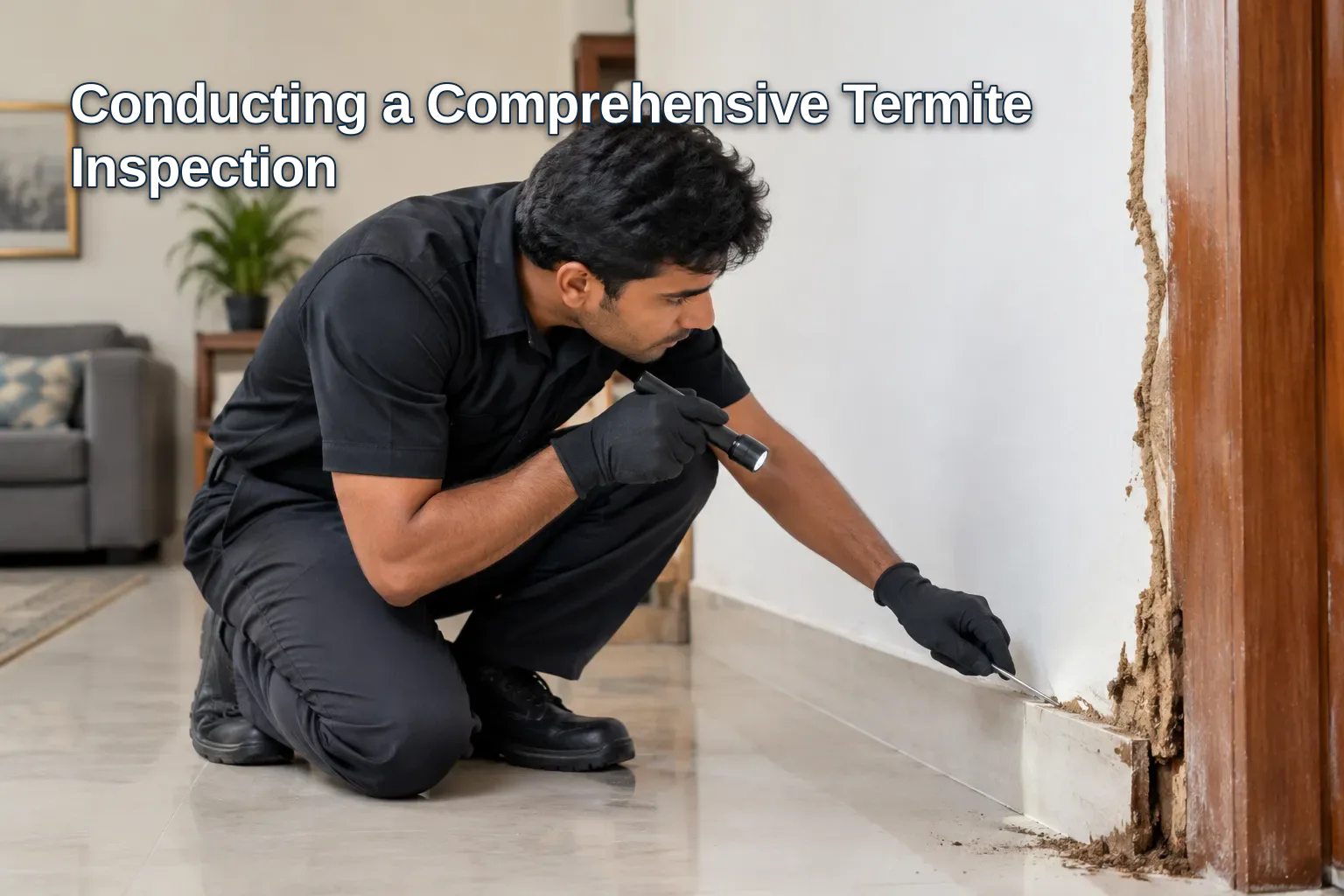
An effective termite inspection is imperative for safeguarding your property and requires a methodical approach to detect early signs of infestation before extensive damage occurs. Implement the following checklist during an inspection to ensure thorough pest control and mitigate potential threats:
- Evaluate Exterior Structures:
- Foundation: Examine for visible mud tubes on walls or foundations, particularly near cracks or gaps.
- Wood-to-Soil Contact: Identify areas where wood touches soil, as it can provide direct access for termites.
- Moisture Sources: Check regions prone to moisture accumulation, such as leaking pipes or poor drainage systems, which can attract termites.
- Assess Interior Spaces:
- Wood Damage: Tap on wooden surfaces like door frames and baseboards to listen for hollow sounds indicating internal burrowing.
- Swarmers Indication: Look for discarded wings near windowsills or doorways, signifying the presence of reproductive alates.
- Flooring Inspection: Examine hardwood flooring for blistering or sagging, often a sign of underlying termite tunnels.
- In-depth Perimeter Evaluation with Odorless Treatments:
- During the inspection, incorporate odorless drill-and-inject perimeter barrier protocols to prevent re-entry and protect the structural foundation.
- Review Attic and Crawl Space:
- Attic Frames and Rafters: Inspect for mud tunnels or damaged wood rafters.
- Crawl Spaces: Use a flashlight to probe for evidence of termites in dark, secluded areas.
- Examine Modular Structures and Fixtures:
- Pay close attention to modular kitchens and cabinetry, which can conceal the silent damage of active termite colonies.
By adhering to this comprehensive inspection checklist, residential treatment can effectively identify and address early signs of subterranean termite infestations. Not only does this maintain the integrity of your woodwork and structural foundations, but it also enhances the long-term value of the property by preventing irreversible damage. For expert pest control solutions, such as advanced odorless treatments in regions like Bengaluru, Mumbai, and Delhi, professional engagement is recommended.
Odorless Treatment Solutions: Effective Termite Control
Detecting subterranean termite activity early and utilizing advanced odorless treatments are vital for effective pest control and property preservation. Start with an inspection checklist to identify potential signs of infestation before discussing residential treatment solutions.
Inspection Checklist for Early Detection:
- Inspect Foundation: Look for mud tubes along foundations. Subterranean termites build these to travel from soil to wood.
- Probe Wooden Structures: Tap wood surfaces to check for hollow sounds, indicating internal damage.
- Look for Droppings: Although more associated with drywood termites, any suspicious pellets or sawdust-like material may warrant closer examination.
- Check for Swarmers: Swarming alates, especially near light sources, indicate nearby colonies.
- Examine Moisture Levels: Subterranean termites thrive in moist environments; address any signs of water damage or leaks.
Odorless Termite Control Solutions:
- Odorless Drill-and-Inject Barrier: Utilize this method around the perimeters of existing structures. The drill-and-inject protocol places non-repellent, micro-encapsulated formulations directly into the soil, disrupting termite pathways without disturbing your living spaces. This method is effective in both residential and commercial settings.
- Pre-Construction Odorless Barriers: Integrate these into soil treatments during the construction phase. It forms a protective layer, preventing termites from gaining initial access.
- Subterranean Monitoring Stations: Place these strategically to intercept termites before they reach targeted wood.
- Professional Maintenance: Schedule regular professional inspections in areas like Bengaluru or Pune to ensure the integrity of treatments and adjust to evolving needs.
Residential Treatment Advantages:
- Pet and Child Safe: The odorless nature minimizes any potential irritation, ensuring safety for residents.
- Uninterrupted Living: Treatments allow you to remain home during service, preventing disruptions often associated with more intrusive procedures.
- Long-Term Protection: Strategic placement of barriers offers sustained defense against termite entry, effectively preserving your property's structural and aesthetic value.
By systematically following these inspection and treatment steps, you can effectively manage and prevent subterranean termite infestations in homes, particularly by utilizing the sophisticated, odorless treatment methods tailored for urban environments like Delhi and Mumbai.
Ensuring Long-term Protection Against Termites
Achieving long-term protection against termites is reliant on a strategic fusion of persistent inspection, proactive treatment, and informed maintenance. Begin your pest control strategy with a meticulously crafted inspection checklist designed to detect early signs of subterranean termite activity, giving you the edge in preventing structural damage and costly repairs. Awareness is your most effective weapon.
Inspection Checklist for Residential Treatment:
- Mud Tubes Monitoring: Regularly examine common entry points such as foundation walls, crawl spaces, and around conduits for mud tubes. These termite highways indicate active infestation.
- Wood Damage Inspection: Conduct frequent checks on wooden structures, including modular kitchens, door frames, and hardwood flooring, for evidence of hollow sounds upon tapping or thin veins of frass (termite droppings).
- Moisture Control: Identify and rectify moisture issues since termites thrive in damp environments. Ensure proper drainage around your property and address leaky pipes or standing water.
Odorless Treatment Solutions:
- Pre-Construction Soil Barriers: Implement soil treatment protocols before construction begins, using advanced odorless formulations that create a persistent subterranean termite barrier.
- Post-Construction Masonry Drill-and-Inject: For existing structures, fortify defenses with odorless drill-and-inject systems around foundation perimeters, offering discrete and lasting protection without affecting indoor air quality.
- Subterranean Protection Baits: Deploy odorless gel bait systems strategically placed to intercept and eradicate hidden termite colonies effectively.
Collaborating with a pest control service that prioritizes odorless and environmentally responsible solutions ensures your property's integrity is maintained without introducing harmful chemicals. Reliably protect your assets and enhance property longevity by systematically employing these expert-backed measures tailored to mitigate the threat of termite intrusion. Regular updates of this protocol, along with periodic professional assessments, will fortify your defenses against future infestations in cities like Pune, Bengaluru, and Noida.
Frequently Asked Questions
What are common signs of subterranean termite infestation?
Common signs include mud tubes along walls or foundations, faint scratches on wood, swarming wings, and soft or hollow-sounding wood.
How can I prevent subterranean termite infestations?
Prevention strategies include controlling moisture, conducting regular inspections, fixing leaks, and installing structural barriers.
Why are subterranean termites attracted to moisture-rich areas?
Subterranean termites require a humid environment to survive as they travel from the soil to their food source which is why they prefer moisture-rich areas.
What is an effective treatment for subterranean termites?
Odorless termite treatments like soil barriers can effectively deter termites without affecting the living environment through strong odors.