

Bangalore’s mix of red soil, humid pockets near lakes, and older independent houses with wooden frames makes it one of the more termite-prone cities in India. If you have spotted mud tunnels along a wall or a hollow-sounding wooden door frame, you are already past the point of wondering and into the point of needing termite control in bangalore that actually works. This guide is written for exactly that moment.
Before you hire anyone, you need clarity on three things: what treatment your property actually needs, what a fair price looks like in this market, and how to tell a genuine specialist from a general pest control operator who also happens to spray for termites. We will walk through pre-construction and post-construction treatments, how drilling and injection methods work on existing structures, and why soil-based chemical barriers matter most at the foundation stage.
You will also learn what questions to ask before signing a contract, how Annual Maintenance Contracts protect you long after the first treatment, and what separates a two-year guarantee from a lifetime warranty. By the end, you will know exactly what to expect from a professional termite treatment in Bangalore, and how to avoid paying twice for the same problem.
Why termite control matters for Bangalore properties
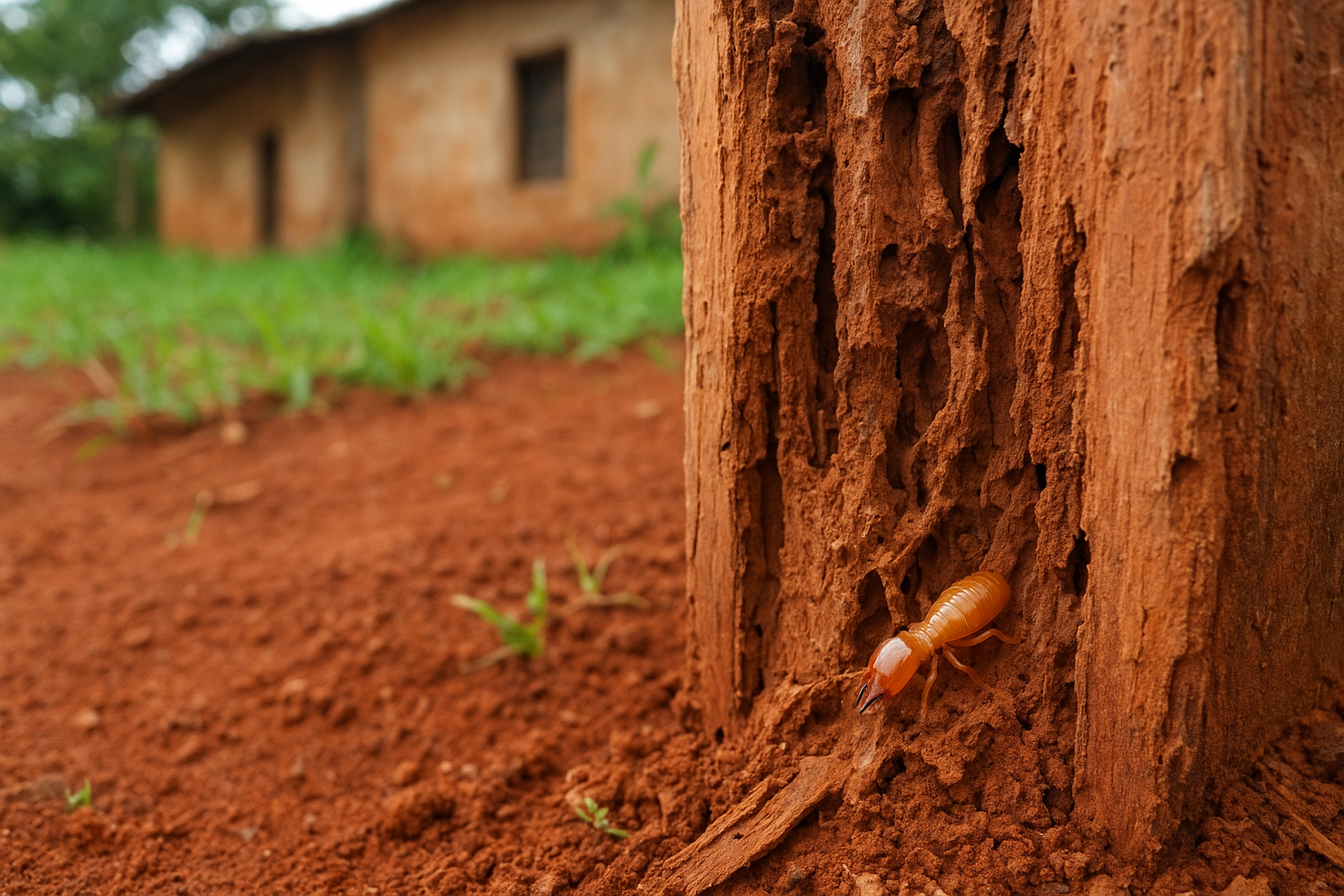
Understanding why termite control in bangalore matters starts with the climate. Bangalore sits in a strange middle ground. It is not as humid as Chennai or Mumbai, but its lakes, garden layouts, and red laterite soil hold moisture close to foundations for months after the monsoon ends. That moisture is exactly what subterranean termites need to build colonies underground and travel upward into your walls, skirting boards, and furniture. Termite colonies in this region can house hundreds of thousands of workers, and by the time you see visible damage, the colony has usually been active for two to four years already.
Bangalore’s soil and climate create ideal termite conditions
Red soil retains water differently than the black cotton soil found in parts of North Karnataka, and it happens to be excellent at sheltering termite tunnels close to the surface. Add Bangalore’s two monsoon seasons, and you get a near year-round supply of moisture that keeps colonies active instead of dormant. Older layouts like Malleswaram, Basavanagudi, and Jayanagar have generations-old wooden window frames and roof beams that have never had a soil treatment barrier, which makes them frequent targets. Newer apartment complexes in areas like Whitefield and Sarjapur are not immune either, since builders sometimes skip proper pre-construction termite treatment to save on costs during the foundation stage.
The real cost of ignoring an infestation
People often delay calling a professional because the damage looks cosmetic at first, a bit of discoloration on a door frame or a faint hollow sound when you knock on a beam. Termites do not stop at surfaces. They hollow out structural wood from the inside, which means a damaged staircase, roof truss, or wooden partition can fail without warning. Repair costs for structural wood damage typically run five to ten times higher than the cost of early treatment, and insurance in India rarely covers termite damage since it is classified as a maintenance issue rather than an accident.
A termite colony you ignore for two years costs far more to repair than it would have cost to treat on day one.
Comparing early treatment against delayed repair
The table below gives you a rough sense of how costs scale when treatment is delayed, based on typical cases we see across Bangalore properties.
| Stage of infestation | Typical action needed | Relative cost impact |
|---|---|---|
| Early signs (mud tunnels, discarded wings) | Localized drilling and injection treatment | Baseline cost |
| Moderate damage (hollow furniture, weakened frames) | Full property treatment plus furniture replacement | 3 to 5 times baseline |
| Severe structural damage | Structural repair, beam replacement, full treatment | 8 to 10 times baseline |
Why builders and homeowners both need to care
Property value is the other piece people underestimate. A house with an active or previously untreated infestation loses resale value fast, and buyers in Bangalore’s competitive real estate market now routinely ask for a termite inspection report before closing a deal. Builders who skip proper foundation-level treatment expose future owners to a problem that only becomes visible years later, often after the warranty period has expired. Whether you own an independent house, run a business out of a commercial space, or manage a construction site, treating termites early is not just about protecting wood. It is about protecting the investment the wood is part of.
How termite treatments work: methods and process
Effective termite control in bangalore is not a one-size-fits-all spray job. The right method depends on whether your property is still under construction or already built and occupied. Pre-construction soil treatment protects a foundation before the first brick goes up, while post-construction drilling and injection deals with colonies that have already settled into existing walls and woodwork. Any company offering effective termite treatment in Bangalore should be able to explain which of these applies to you and why, rather than defaulting to a generic package.
Pre-construction treatment at the foundation stage
Getting this stage right matters more than any later treatment, because it creates a barrier the colony can never cross in the first place.
The foundation stage is the one chance to make termite treatment permanent instead of ongoing.
During pre-construction work, technicians apply a chemical barrier treatment directly to the soil around and beneath the foundation, plinth, and any wood that will be buried or embedded in concrete. This creates a continuous chemical zone that termites cannot tunnel through to reach the structure above. It typically involves:
- Treating the excavated foundation trenches before backfilling
- Applying the barrier around plumbing and electrical conduit entry points
- Re-treating the soil after backfilling and before the plinth beam is cast
- Treating the area around the building’s external perimeter once construction nears completion
Post-construction drilling and injection
Once a building is occupied, technicians cannot access the soil directly, so they drill small holes at set intervals along walls, floor junctions, and skirting boards. Chemical solution gets injected into these holes under pressure, reaching the soil beneath the slab and cutting off the colony’s access route. Skilled technicians drill at angles that intersect termite galleries without damaging tiles or flooring, then seal each hole so it is barely visible once finished.
Wood and furniture treatment for existing infestations
Furniture, door frames, and wooden flooring need a different approach entirely. Technicians drill directly into affected wood, inject a termiticide that spreads through the grain, and sometimes apply a surface coating to prevent re-infestation. Odorless, water-based formulations have largely replaced older oil-based chemicals, which matters if you have young children or pets moving around the house during and after treatment.
Commercial termite control for offices, warehouses, and hospitals
Commercial properties bring a different set of constraints to termite control in bangalore. Offices and retail spaces cannot shut down for a day of drilling, so technicians typically schedule work after business hours or in sections, moving through a floor plan without disrupting operations. Warehouses storing paper, packaging, or wooden pallets face a higher risk profile, since stacked wood against walls creates the same bridge problem as firewood does at a home, only at a larger scale. Hospitals and healthcare facilities need treatments that are entirely odorless and safe around patients, which rules out older oil-based chemicals outright and makes water-based, low-VOC formulations the only realistic option. A commercial site visit usually also covers building-wide entry points most homeowners never deal with, such as expansion joints, service ducts, and shared walls with neighboring units, all of which need their own inspection line in the quote.
Signs your property already has a termite problem
Most people search for termite control in bangalore only after damage is visible, but termites leave clues weeks or months before that point. Knowing what to look for is a core part of termite control in bangalore, and it means you catch a colony while treatment is still simple and cheap, instead of after it has chewed through a load-bearing beam. Early detection is the single biggest factor in how much a treatment ends up costing you, so it pays to walk through your property every few months with these signs in mind.
Mud tunnels and discarded wings
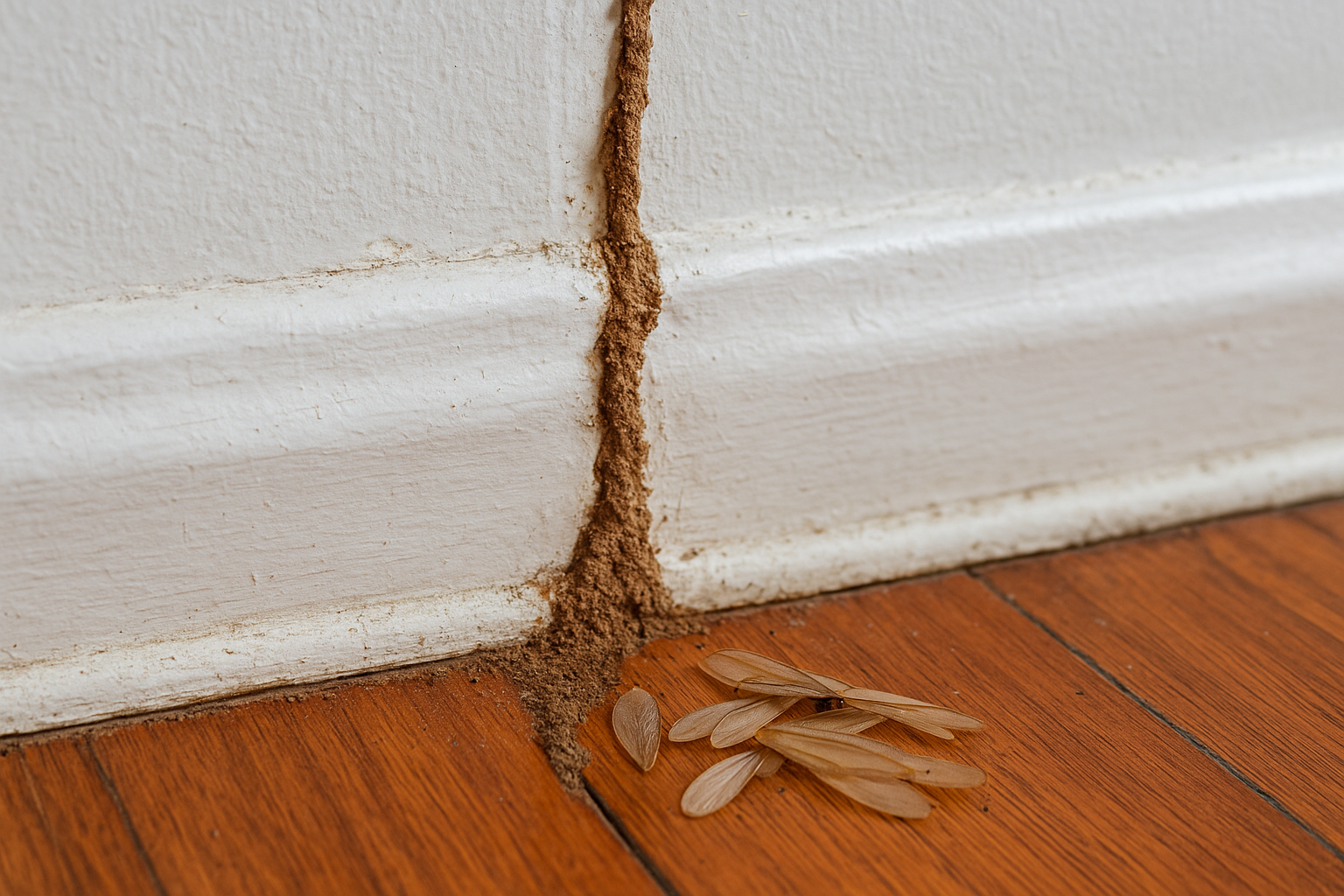
Subterranean termites build pencil-thin mud tunnels along foundation walls, skirting boards, and even up the outside of pipes to travel between soil and wood without being exposed to open air. If you see these thin brown lines running up a wall corner, that is not dirt, it is an active supply route to a colony. Around the same time, you might notice small piles of discarded wings near windowsills or light fixtures after a swarm, usually right after rain, which signals a colony nearby is mature enough to send out reproductives.
Hollow wood and damaged furniture
Tap on a door frame, skirting board, or wooden beam with your knuckle. A dull, hollow sound instead of a solid thud means termites have already eaten through the interior while leaving a thin outer shell intact. This is why damage often looks minor from the outside right up until a frame cracks or a shelf collapses under normal weight.
By the time wood sounds hollow, the colony feeding on it has usually been active for years, not months.
Other warning signs worth checking
A few less obvious signs are easy to miss during a quick walk-through but matter just as much:
- Blistering or bubbling paint on wooden surfaces, which often points to moisture and activity underneath
- Fine, sand-like droppings (frass) near wooden furniture, a sign specific to drywood termites
- Doors and windows that suddenly stick or feel misaligned, since warped, weakened wood shifts shape
- A faint musty smell in closed rooms, especially near wooden wardrobes or false ceilings
- Tiny pinholes in wood, sometimes with fine powder collecting just below them
When to call for a professional inspection
If even one of these signs shows up, do not wait for a second one to confirm it. A free termite inspection from a specialist takes less than an hour and gives you a clear read on whether the colony is isolated or already spread through shared walls and adjoining units. Waiting for more visible confirmation only gives the colony more time to expand, and in an apartment building, an untreated infestation next door can spread through party walls into your unit within a year.
How to choose a reliable termite control company
Bangalore has no shortage of pest control operators offering termite control, but most of them treat termites as one service among many, alongside cockroaches, rodents, and mosquitoes. That generalist approach rarely catches subtle signs of termite activity or applies the right dosage for local soil conditions. When you are comparing options for termite control in bangalore, look specifically for a company that treats termites as its core specialization rather than an add-on service.
Ask about certification and chemical safety
Genuine specialists use termiticides approved by the Central Insecticides Board and can name the exact chemical they plan to use, whether it is fipronil-based or a newer non-repellent formulation. Ask if the treatment is water-based and odorless, since that matters if you have children or pets at home. A trustworthy technician will not dodge this question or hand you a vague answer about “safe chemicals.”
If a company cannot name the chemical it uses on your property, walk away.
Check warranties, guarantees, and past work
Warranties separate serious operators from one-time sprayers. A two-year guarantee on drilling and injection treatment is standard, but some specialists offer coverage extending to five years or longer on pre-construction work, backed by written documentation. Request references from properties treated at least a year earlier, since that is long enough for any recurrence to show up if the job was done poorly.
Compare quotes using a simple checklist
Running three quotes through the same checklist makes it easy to spot who is cutting corners:
- Does the quote specify drilling spacing and depth, or just a flat “treatment” line item?
- Is the chemical name and concentration mentioned in writing?
- Does the warranty period appear on the invoice, not just in conversation?
- Will they provide a written inspection report before starting work?
- Do they offer an Annual Maintenance Contract for ongoing protection?
Response time and local presence matter
Finally, confirm how quickly the company can send a technician after your call. Established local pest control services in Bangalore usually inspect within 24 to 48 hours, while smaller operators without a local branch office may take a week or longer, giving an active colony more time to spread through shared walls and adjoining structures.
What termite control typically costs in Bangalore
Pricing for termite control in bangalore depends on the size of your property, the treatment method, and whether you are protecting a new foundation or fixing an existing infestation. Most homeowners pay somewhere between ₹8 and ₹25 per square foot for post-construction drilling and injection, while pre-construction soil treatment usually runs cheaper per square foot since it happens before finishes and furniture complicate the job. Termite treatment cost also shifts based on how many entry points technicians find during inspection, so a quote given over the phone without a site visit is rarely accurate.
Typical price ranges by treatment type
Grouping treatments by type gives you a clearer picture than a single number, since a small apartment and a large independent house rarely cost the same to treat.
| Treatment type | Typical price range | What affects the cost |
|---|---|---|
| Pre-construction soil treatment | ₹4 to ₹8 per sq ft of plot area | Plot size, soil condition, number of re-treatments during construction |
| Post-construction drilling and injection | ₹8 to ₹25 per sq ft of built-up area | Number of drill points, wall thickness, extent of infestation |
| Wood and furniture treatment | ₹500 to ₹2,500 per item | Size of furniture, wood type, severity of damage |
| Annual Maintenance Contract | ₹3,000 to ₹8,000 per year | Property size, inspection frequency, warranty coverage included |
Why the cheapest quote often costs more later
Some operators quote a flat, unusually low rate to win the job, then use diluted chemical or skip drill points along interior walls to save time. That gap shows up within a year or two as a fresh infestation, and you end up paying for a second treatment on top of the first.
The lowest quote and the cheapest treatment are rarely the same thing.
What a fair quote should include
Before you sign anything, a fair quote should spell out a few specifics rather than one lump figure:
- Total drill points and chemical quantity based on your property’s actual layout
- Whether the price includes a written warranty period, and how long it lasts
- Whether re-treatment during the warranty is free or charged separately
- Whether an inspection visit is included before the first treatment date
Factoring AMC into your long-term budget
An Annual Maintenance Contract costs less upfront than a fresh full treatment, and it catches new activity early through scheduled inspections rather than waiting for you to notice damage yourself. Over five years, an AMC almost always works out cheaper than paying for repeat one-off treatments after each new infestation.
Keeping your property termite-free after treatment
Getting rid of an active infestation is only half the job of proper termite control in bangalore. Once technicians finish drilling, injecting, or laying a soil barrier, the property still needs monitoring, because termite colonies nearby can rebuild access routes if conditions change. Post-treatment maintenance is what separates a one-time fix from lasting protection, and it costs far less than another full treatment down the line.
A treated property without follow-up inspection is just a delayed reinfestation waiting to happen.
Schedule regular inspections, not just treatments
Homeowners often assume termite control in bangalore ends once the technician leaves, but termite barriers and chemical treatments degrade over time, especially in Bangalore’s wet monsoon months when soil moisture shifts constantly. Booking a follow-up inspection every six to twelve months catches new mud tunnels or wing debris before a colony re-establishes itself. Most Annual Maintenance Contracts already build this schedule in, so you are not relying on memory to catch a problem early.
Manage moisture around your foundation
Since termites need moisture to survive, cutting off their water source does more for prevention than any chemical alone. A few habits make a real difference:
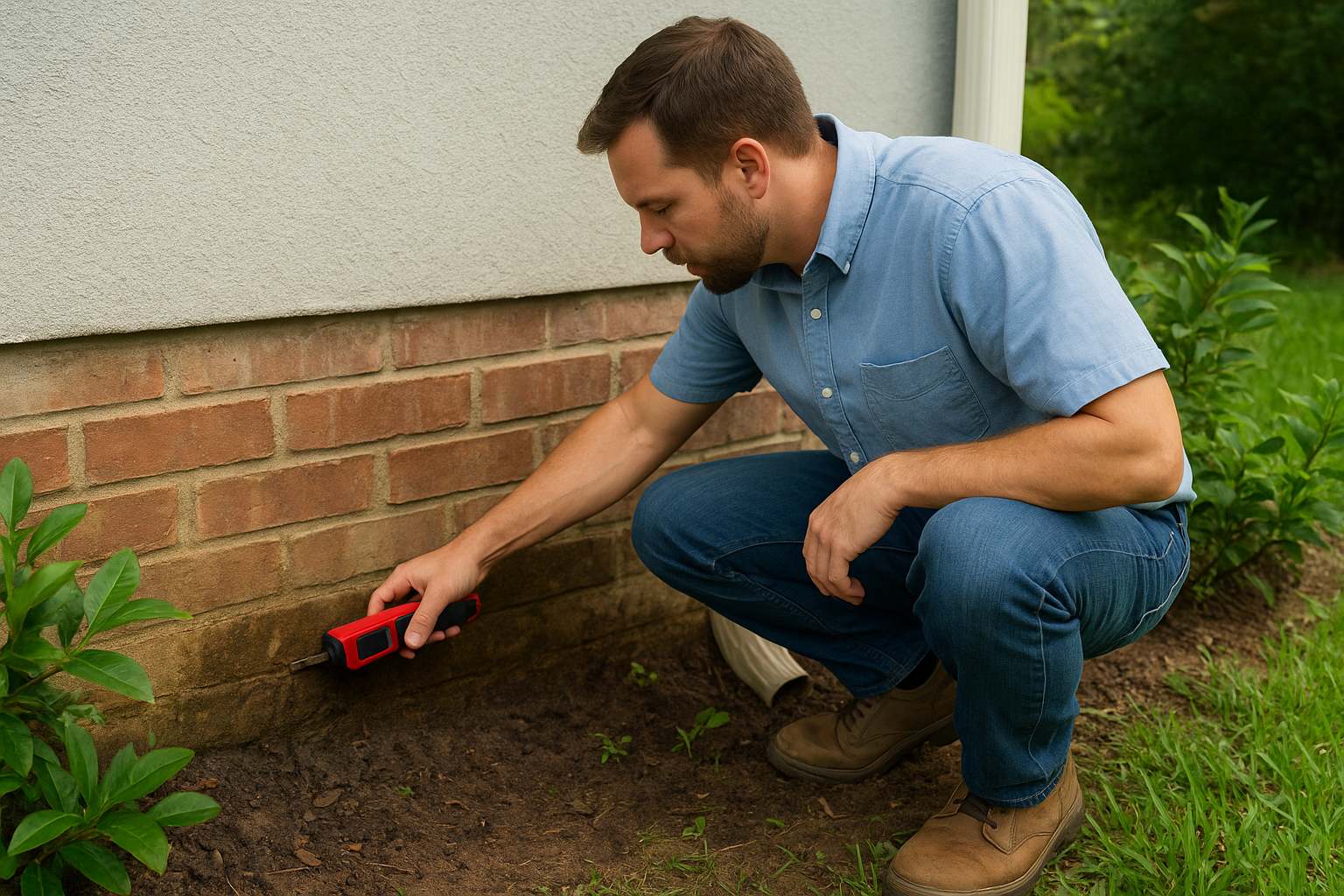
- Fix leaking pipes and dripping taps near foundation walls promptly
- Keep garden beds and mulch at least a foot away from the house’s base
- Ensure gutters and downpipes direct rainwater away from the plinth
- Ventilate crawl spaces and basements to prevent trapped humidity
Store wood and firewood away from the structure
Stacking firewood, spare lumber, or wooden furniture directly against an exterior wall gives termites a bridge straight into your home, bypassing any soil barrier entirely. Store these items on raised racks, away from direct wall contact, and check them for activity every few months if they stay outdoors for long stretches.
Watch for construction and renovation risks
Any time you renovate, add a room, or dig near the foundation, you risk breaking the original chemical barrier without realizing it. Ask your termite control provider to re-treat disturbed soil after major construction work, since a gap of even a few feet in the barrier gives a colony a fresh entry point. Renovations near bathrooms and kitchens deserve extra attention, since plumbing work often disturbs soil closest to the slab. Treating these moments as checkpoints, rather than afterthoughts, keeps the original investment in treatment from going to waste.
Protecting your property for the long term
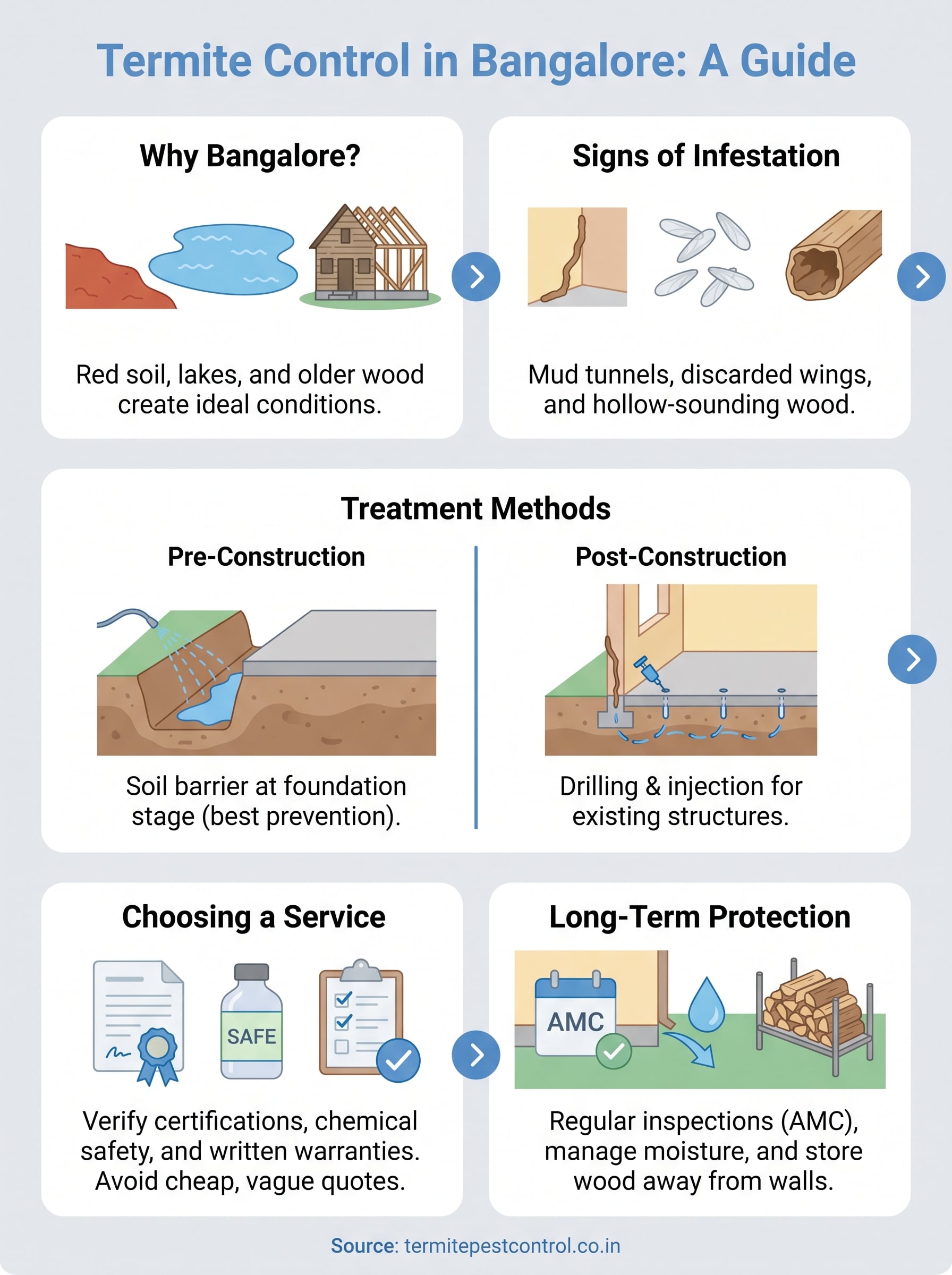
Termites do not announce themselves loudly. They work quietly for years, and by the time you spot the damage, the real cost is already locked in. Getting termite control in bangalore right means treating the foundation properly if you are building, acting fast on the first mud tunnel or hollow beam if you already live there, and sticking with regular inspections instead of a one-time fix. Bangalore’s soil and monsoon pattern will not stop favoring termites anytime soon, so the choice is really between paying a small amount now or a much larger one later, once beams and furniture need replacing instead of treating.
Rather than guessing which treatment your property needs, get a professional to look at it first. Book a free termite inspection with Termite Professionals and find out exactly where you stand before the next monsoon arrives.