
Maximizing Wood Preservation in Bengaluru's Commercial Spaces
Understanding Subterranean Termites in Bengaluru's Commercial Areas
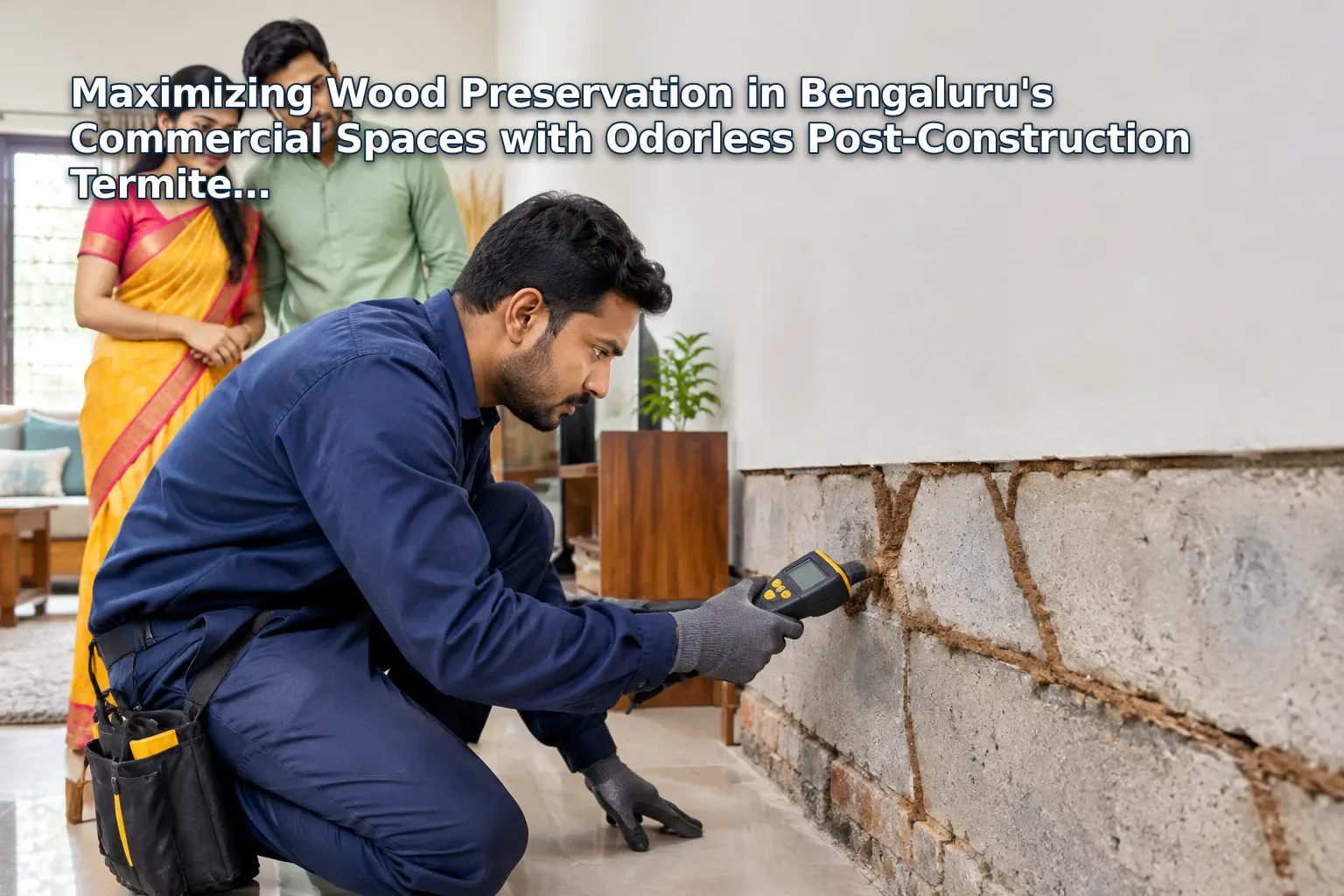
Subterranean termites are a major threat to wood preservation in Bengaluru's commercial spaces. These termites, primarily belonging to the Coptotermes and Reticulitermes genera, create extensive networks of mud tubes, making early detection crucial for effective termite prevention in Bengaluru. Commercial termite control strategies should prioritize understanding their biology and behavior, opting for structural detections that avert damage.
Key Characteristics of Subterranean Termites:
- Caste System: Divided into workers, soldiers, and alates (winged reproductives), each with specific roles that facilitate colony survival and expansion.
- Mud Tubes: Termites construct these for shelter and moisture retention, making them a primary sign of infestation.
- Moisture Dependency: High humidity in Bengaluru makes structures more susceptible, as termites thrive in moist environments. Moisture management is vital.
Effective Termite Barriers in Bengaluru:
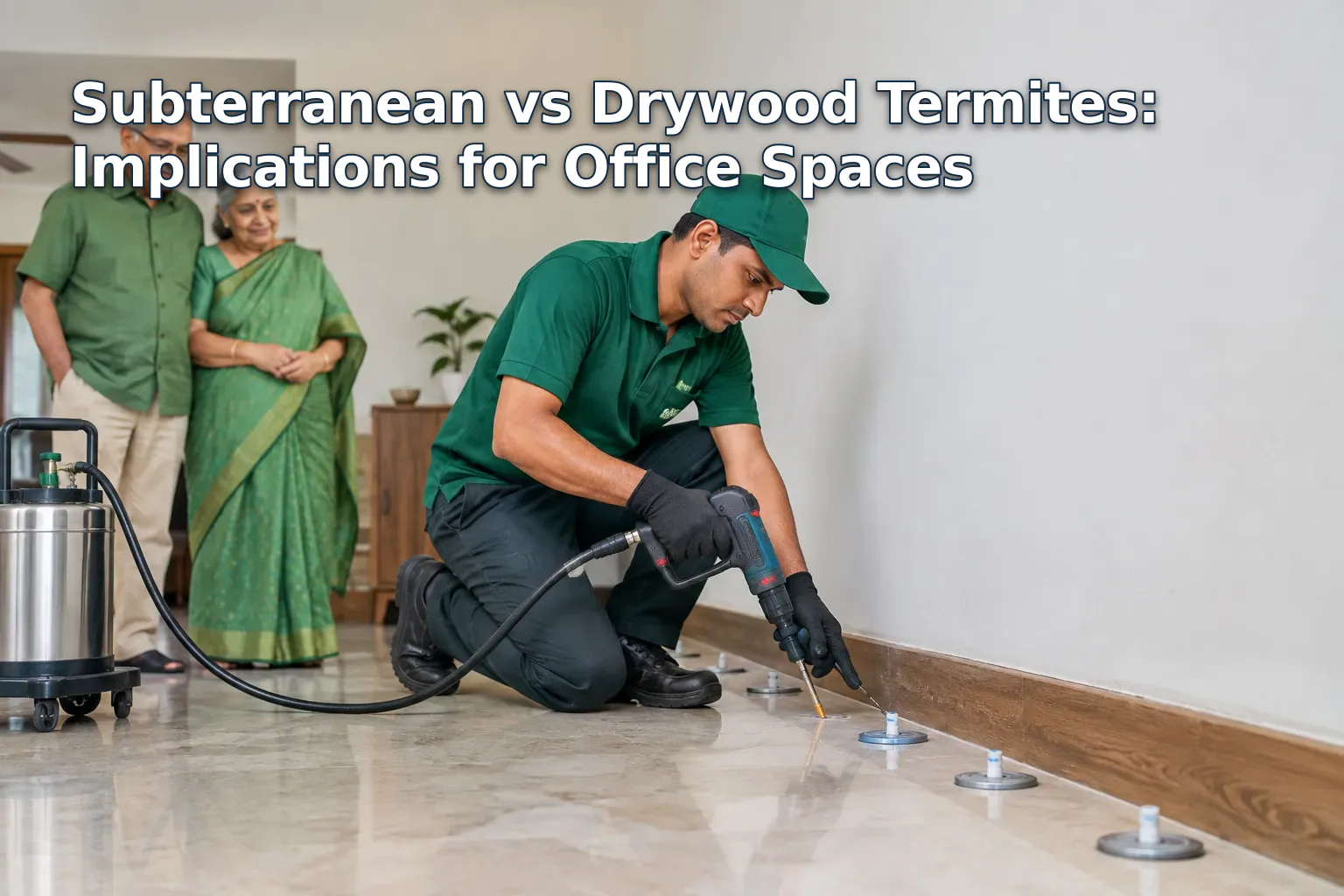
- Odorless Post-Construction Barriers: Our approach employs 100% odorless non-repellent termiticides that are micro-encapsulated, eliminating the risk of strong smells. These barriers are strategically drilled and injected into masonry, ensuring comprehensive structural protection without the disruption typical of chemical odors.
- Detection and Monitoring: Install monitoring stations around commercial properties to facilitate early detection and targeted intervention before major infestations develop.
Wood Preservation Techniques for Commercial Spaces:
- Inspection & Maintenance:
- Regularly inspect wooden fixtures such as furniture, floorings, and structural components for signs of damage.
- Implement routine moisture level checks in wooden elements to avoid conditions conducive to termite activity.
- Structural Management:
- Utilize non-cellulosic barriers, such as steel or concrete, to restrict termite access points.
- Maintain clearance between soil and wooden elements to reduce easy access for termites.
Incorporating proactive termite barriers and regular inspections will safeguard structural integrity, ensuring long-term wood preservation in Bengaluru's commercial environments. Prioritizing these odorless and efficient termite control strategies enhances commercial property value and longevity, crucial in thriving business settings.
Optimizing Post-Construction Inspection for Effective Termite Control
Maximizing wood preservation in commercial spaces demands a strategic approach to post-construction inspection and termite control in Bengaluru. Leveraging odorless termite barriers is a pivotal technique that ensures your property remains a termite-free zone. Here's a comprehensive path to optimizing post-construction inspections for effective termite prevention:
- Initial Assessment: Begin with a thorough examination of the property for visible signs of subterranean termites. Pay special attention to mud tubes, particularly along foundations and crawl spaces, which are crucial in the damp climate of Bengaluru.
- Identify Vulnerable Areas: Focus on areas with previous infestations, excessive moisture, or compromised structural integrity. These spots are more likely to attract termites.
- Engage Professional Inspectors: Ensure a professional with expertise in termite biology and behavior conducts the inspection. Understanding the caste system of subterranean termites—from workers to alates—provides a tactical advantage in identifying infestation patterns.
- Odorless Barrier Installation: Post-inspection, promptly apply odorless drill-and-inject perimeter barriers. This process involves strategic drilling to inject advanced odorless anti-termite formulations, creating an effective defense without the disruption of noxious odors.
- Verify Barrier Integrity: Regularly verify that these barriers remain intact and effective. An updated inspection schedule, quarterly or biannually, helps sustain protection levels, especially in commercial properties with substantial wooden installations.
- Documentation and Follow-Up: Keep detailed records of inspections and treatments. This documentation not only ensures compliance with regulations but also aids in tracking treatment efficacy over time.
- Regular Maintenance: Consider routine applications and assessments as part of an Integrated Pest Management plan to adapt to changing environmental conditions and termite activity.
For commercial spaces in Bengaluru, implementing these odorless termite barriers protects valuable woodworks and architectural integrity without compromising indoor air quality. With a focus on preemptive action and ongoing monitoring, businesses can ensure enduring protection against subterranean termites.
Installing Odorless Drill-and-Inject Barrier Systems in Office Buildings
Implementing odorless drill-and-inject barrier systems for termite prevention in Bengaluru's commercial buildings is fundamental to safeguarding wooden infrastructure from subterranean termites. Begin by conducting a comprehensive inspection of the premises to identify potential entry points and signs of termite activity, such as mud tubes and frass accumulation. This step is critical in tailoring the termite barriers for maximum efficacy in commercial termite control in Bengaluru.
Actionable Steps for Effective Implementation:
- Conduct Thorough Assessments: Employ professional pest control experts to inspect for weak structural points, moisture-rich areas, and pre-existing termite damage.
- Strategic Drilling Locations: Identify and mark strategic positions throughout the periphery of the building for the drill-and-inject process, ensuring comprehensive coverage. This includes zones near foundational walls, wooden partitions, and utility conduits.
- Precision Injection of Odorless Barrier Formulation: Utilize advanced odorless termiticide formulations designed for long-lasting, invisible protection. The micro-encapsulated formula is injected precisely at drilled points, ensuring subterranean termite colonies are effectively intercepted.
- Regular Monitoring and Maintenance: Establish a routine inspection schedule post-installation to monitor the barrier’s effectiveness and apply reinforcements as needed. Maintenance ensures uninterrupted protection, vital for long-term wood preservation from termites in Bengaluru.
The deployment of these barrier systems especially supports buildings with extensive wood usage, such as paneling, modular furniture, and decorative woodwork, which are prime targets for termites. Unlike invasive treatments, these odorless barriers leave no residue, allowing office environments to maintain air quality without disruption to daily operations.
By integrating these methodologies, commercial spaces in Bengaluru can fortify themselves against termite infestations, ensuring wood preservation and structural integrity remain uncompromised, significantly improving property value and tenant satisfaction.
Subterranean vs Drywood Termites: Implications for Office Spaces
Subterranean and Drywood termites present distinct threats to commercial properties in Bengaluru, and recognizing their differences is vital for effective termite prevention. Subterranean termites, prevalent in Bengaluru, often infiltrate buildings undetected via mud tubes, thriving in the humid conditions that accelerate wood decay. Conversely, Drywood termites inhabit wooden structures without requiring soil contact, making early detection challenging yet essential for wood preservation.
Subterranean Termites: Characteristics and Control
- Habitat: Prefer moist environments; access buildings through underground colonies and mud tubes.
- Damage Pattern: Primarily targets structural wood via mud tubes in search of cellulose; often unseen until significant damage occurs.
- Control Solutions: Employ odorless drill-and-inject perimeter barriers that form a non-repellent shield, safeguarding the building integrity without disrupting business operations.
Drywood Termites: Characteristics and Control
- Habitat: Live within the wood itself and do not need soil contact, which allows them to infest isolated pieces of wooden furniture or decor.
- Damage Pattern: Creates galleries inside wooden objects, often leaving behind powdered wood residue as a key indicator.
- Control Solutions: Routine inspections with a focus on securing all wooden elements with specialized odorless treatments that do not disturb the workplace environment.
Strategic Advantages of Odorless Termite Barriers in Commercial Settings:
- Non-disruptive Installation: The advanced odorless treatments enable installations during business hours, avoiding interruptions.
- Long-Term Wood Preservation: Structural barriers protect both visible and underlying wood, extending the lifespan amidst Bengaluru’s demanding climate.
- Environmentally Friendly Approach: These non-toxic solutions ensure compliance with safety regulations while potentially enhancing business green credentials.
Integrating these targeted commercial termite control strategies ensures comprehensive prophylactic protection. Regular inspections and maintenance of termite barriers in Bengaluru’s office spaces effectively mitigate the risk of costly wood damage, safeguarding both aesthetics and structural value.
Protecting Office Interiors: Wood Preservation and Maintenance
Implementing effective termite prevention in Bengaluru's commercial buildings starts with understanding the distinctive threats posed by subterranean termites. In Bengaluru, these pests can significantly undermine wood preservation efforts in office interiors by silently compromising structural integrity. Rapid response in implementing termite barriers in Bengaluru is crucial to protect valuable woodwork against these invaders.
Here's a definitive guide:
- Odorless Post-Construction Barriers: Utilize odorless drill-and-inject perimeter treatments designed to form long-lasting barriers around and within the premises. This method is discreet and safe, ensuring office functionality is uninterrupted.
- Targeted Wood Preservation: Focus protection efforts on key wood elements:
- Modular Kitchens: Reinforce areas prone to moisture with advanced odorless soil barriers and monitor for shelter tube formation.
- Wooden Door Frames: Regularly inspect these points for mud tubes indicative of subterranean termites. If discovered, utilize encapsulated odorless formulations for precise control.
- Hardwood Flooring: Establish a primary line of defense against termite ingress through structured perimeter odorless barriers spanning underneath flooring expansions.
- Routine Inspection Protocols:
- Conduct professional examinations of crawl spaces and basements for early signs of activity.
- Install monitoring stations as an ongoing preventive measure against subterranean termites.
- Customize Solutions: Each office environment in Bengaluru is different. Tailor termite prevention strategies based on specific architectural layouts and moisture tendencies.
- Integrated Pest Management (IPM): Combine cultural, mechanical, and odorless anti-termite barrier harmoniously. Use superior technology in odorless treatments to ensure commercial termite control without environmental impact.
Investing in these preventive steps aligns with preserving office aesthetics and maintaining property value directly impacted by termite threats. By employing these strategies, you ensure comprehensive wood preservation against termites in Bengaluru's commercial environments, reinforcing both structural safety and aesthetic value.
Frequently Asked Questions
What are subterranean termites?
Subterranean termites are a type of termite commonly found in Bengaluru's commercial spaces. They build extensive networks of mud tubes to retain moisture and facilitate movement, making them a major threat to wooden structures.
How does the odorless termite barrier work?
Odorless termite barriers use non-repellent termiticides injected into structures, creating an undetectable protection layer for termites. This method prevents termites from entering or infesting office spaces without leaving a strong chemical odor.
Why is wood preservation crucial in Bengaluru offices?
Wood preservation is vital in Bengaluru offices because the high humidity levels in the city create an ideal environment for termite infestations. Preserving wood prevents structural damage and costly repairs.
How can regular termite inspections help commercial spaces?
Regular termite inspections help detect early signs of infestation, particularly subterranean termite activity. Early detection prevents extensive damage and helps maintain the integrity and safety of commercial properties.
Related Guides
- Effective Termite Control Strategies for Alibaug Properties
- Protective Strategies for Wood Against Subterranean Termites in Mumbai
- Subterranean Termites and Commercial Property Protection in Mumbai
- Effective Wood Preservation Techniques for Commercial Spaces in Noida Against Subterranean Termites
- Odorless Termite Barrier Strategies in Noida