
Subterranean Termites and Commercial Property Protection in Mumbai
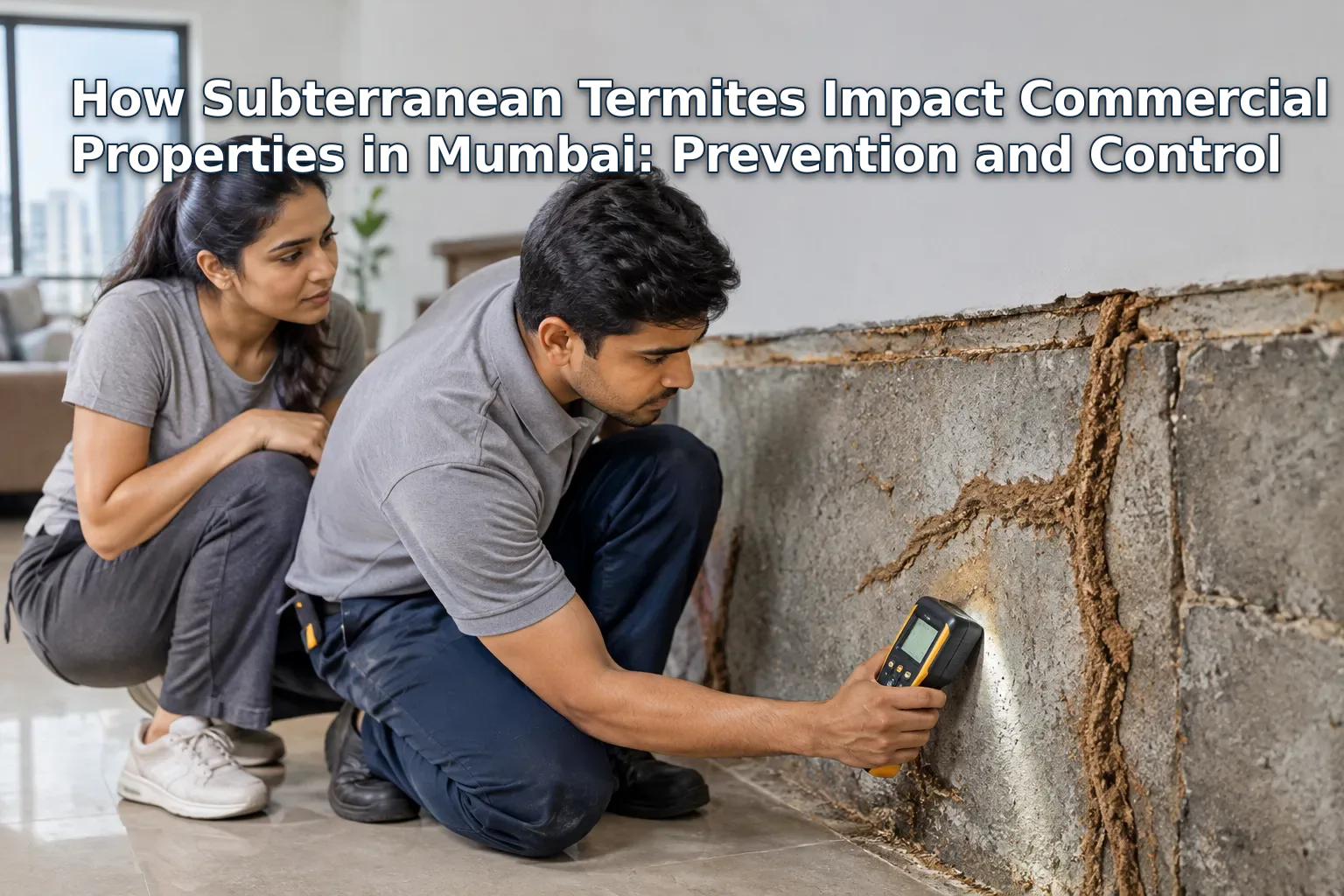
Identification and Life Cycle of Subterranean Termites
Understanding the life cycle of subterranean termites is crucial for effective commercial termite control in Mumbai. These termites, particularly aggressive in Mumbai's tropical climate, are organized into a caste system comprising workers, soldiers, and reproductive alates. This robust structure allows them to efficiently establish colonies and cause significant damaage if they go unchecked.
Steps to Identify and Prevent Subterranean Termite Infestations:
- Colony Structure and Identification
- Workers: Pale, soft-bodied, approximately 1/8 inch long. They are primarily responsible for feeding the colony.
- Soldiers: Slightly larger with pronounced mandibles. Their primary role is colony defense.
- Alates: Winged and dark-colored, these termites are future kings and queens that establish new colonies.
- Signs of Infestation
- Mud Tubes: Look for pencil-sized tunnels on walls or foundations, which provide moisture and protect termites from predators.
- Wood Damage: Termites excavate wood from the inside, leaving a honeycomb structure.
- Swarmers: Spotting winged termites indoors is a clear indication of current infestation.
- Pre-Construction Strategies in Mumbai:
- Implement soil treatments using advanced odorless non-repellent termiticides to create a subterranean protection barrier.
- Establish structural barriers via foundations and footings treated with long-lasting odorless agents.
- Post-Construction Protocols:
- Utilize drill-and-inject perimeter barriers to impede termite ingress without disrupting the commercial workflow.
- Conduct regular inspections of wooden elements and moisture-prone areas.
Implementing these advanced, odorless termite prevention measures not only safeguards commercial infrastructure but also ensures seamless business operations. For enterprises planning high investments in Mumbai, whether pre-construction or post-construction, proactive termite management is essential for maintaining property integrity and value. Prioritize regular inspections and adapt strategies to the urban environment dynamics, ensuring comprehensive commercial property protection.
Pre-Construction Soil Perimeter Odorless Barriers
Pre-construction odorless perimeter barriers in Mumbai provide the foundation for long-term protection against subterranean termites, essential for safeguarding commercial properties. These defenses involve applying advanced odorless non-repellent termiticides directly to the soil, an imperative strategy for preventing termite infestations before they start, thereby preserving property longevity and value.
Adopting this approach during the construction phase in Mumbai offers several benefits:
- Permanent Protection: Odorless barriers act as long-lasting shields, preventing termite access to foundational structures.
- Strategic Application: Treatment occurs before floor slabs are poured or building foundations are finalized, ensuring comprehensive soil coverage. This involves a precise drill-inject operation around the building perimeter.
- Environmentally Safe: These treatments are both odorless and eco-friendly, making them ideal for densely populated, urban areas like Mumbai.
In addition to new constructions, post-construction applications are crucial for already established buildings, often requiring:
- Inspection of Subterranean Hotspots: Focus on moisture-rich areas where termites thrive, such as near plumbing or air-conditioning drainage areas.
- Structural Drill-and-Inject Barriers: This method involves odorless termiticide injections into ground-floor masonry, creating an imperceptible barricade against intrusions.
These practices are aligned with Integrated Pest Management (IPM) principles, embracing a holistic and preventive approach to termite control in Mumbai's commercial settings. Building managers and developers should integrate these systems early, heightening resilience against future termite threats and forestalling potential disruptions to business operations.
By implementing these steps, commercial properties in Mumbai can achieve outstanding termite protection, ensuring their investments remain robust and unaffected by costly termite damage. The focus on odorless treatments ensures a seamless integration into urban spaces, maintaining air quality while providing a proactive solution to termite control.
Post-Construction Odorless Drill-and-Inject Barriers
For effective subterranean termite control in Mumbai commercial properties, implementing post-construction odorless drill-and-inject barriers is paramount. This method effectively halts termite intrusion by constructing an impenetrable defense around existing structures. Here’s a step-by-step breakdown of this process, combining best practices in termite prevention with advanced odorless technologies:
- Site Assessment: Begin with a comprehensive inspection, identifying potential entry points and termite activity around the commercial building. Recognize signs such as mud tubes and moisture-laden areas that provide ideal habitats for subterranean termites.
- Strategic Drilling: Based on assessment insights, drill strategically located holes into the masonry or concrete foundations. Careful spacing ensures a continuous barrier without compromising structural integrity.
- Injection of Odorless Anti-Termite Treatments: Utilize advanced odorless non-repellent termiticides. These substances, encapsulated for long-lasting effectiveness, are injected into the drilled holes, creating a subterranean barricade that termites cannot breach.
- Sealing and Restoration: Post-treatment, ensure that all drill holes are professionally sealed. This not only maintains the appearance of the commercial structure but also preserves the effectiveness of the barrier.
Implement this non-invasive and odorless barrier system to safeguard the structural foundations and wooden assets such as modular kitchens, office furnishings, and expansive wooden floors, thereby maintaining property value. Regular follow-ups and inspections are crucial to prevent resurgence and adapting the treatment to any changes in termite behavior or building modifications.
By embracing these advanced odorless methods, commercial enterprises in Mumbai can sustain termite prevention without the disruptions or health concerns associated with traditional methods, ensuring both safety and peace of mind. Engage with termite professionals for ongoing maintenance to ensure the perpetual efficacy of these barriers, anchoring long-term protection and commercial property integrity.
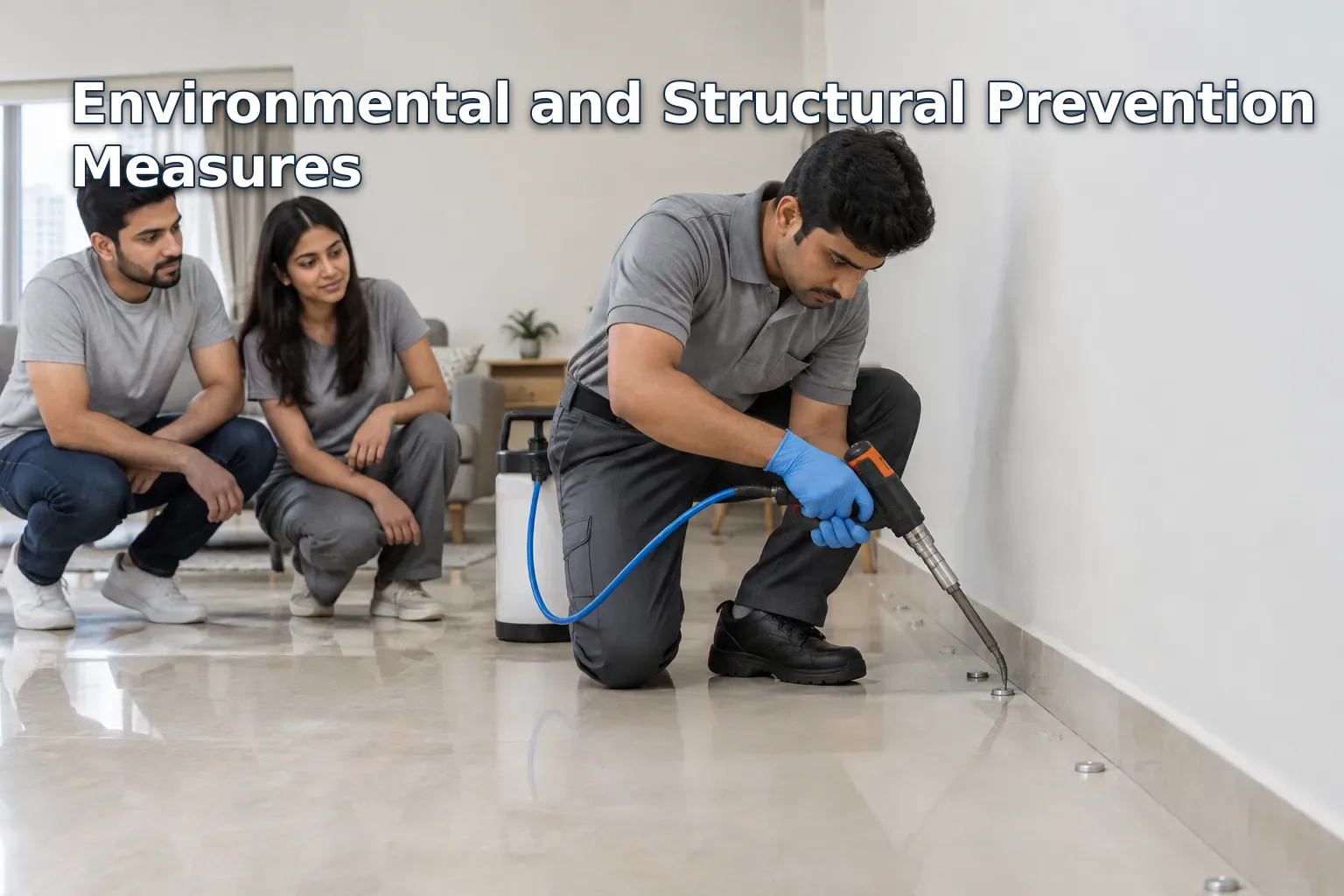
Environmental and Structural Prevention Measures
Detecting and addressing subterranean termites in Mumbai is essential for preserving your commercial property. Start with detailed preventive strategies focused on both the environmental and structural aspects. For effective termite control in Mumbai, consider the following key methodologies:
- Pre-Construction Measures:
- Implement a pre-construction termite Mumbai strategy by opting for pre-treatment of soil with odorless anti-termite barriers, which ensure long-term protection.
- Design drainage systems to prevent moisture accumulation, a crucial factor in subterranean termite infestations.
- Keep building plans flexible to incorporate advanced odorless termiticides into the foundational layers and soil.
- Post-Construction Measures:
- Utilize odorless drill-and-inject barrier protocols for established structures. This method requires precise application along the property's perimeter to provide an effective post-construction termite Mumbai defense while avoiding disruptions to business operations.
- Ensure regular inspections and maintenance of sealants around plumbing and electrical conduits, pathways that termites may exploit.
- Environmental Controls:
- Maintain clearance around the foundation by eliminating wood debris, cellulose materials, and excess vegetation that may attract termites.
- Encourage landscaping designs that direct rainwater away from building foundations, further reducing potential nesting sites.
- Regular Monitoring and Inspection:
- Schedule periodic termite inspections to identify early signs of activity such as mud tubes, hollow-sounding wood, or discarded wings that indicate an active termite presence.
- Use integrated pest management principles to adapt and refine your strategies based on seasonal activity and environmental changes.
By implementing these targeted prevention techniques, commercial property owners in Mumbai can effectively safeguard their investments against the destructive impact of subterranean termites. Adhering to these proactive measures will ensure the longevity and integrity of structural investments and protect valuable commercial wood elements.
Ongoing Monitoring and Maintenance for Commercial Spaces
Maintaining an ongoing termite protection plan is crucial for safeguarding commercial properties in Mumbai from the persistent threat of subterranean termites. Begin by integrating both pre-construction and post-construction termite solutions tailored to the unique demands of Mumbai's climate and architectural styles.
Key Steps for Termite Prevention and Control:
- Pre-Construction Termite Protection:
- Lay an odorless anti-termite barrier in the foundational soil. This early protective measure helps to thwart future infestations and preserve structural integrity.
- Utilize advanced pre-construction soil treatment techniques, especially vital for new developments in termite-prone areas.
- Post-Construction Termite Defense:
- Apply the drill-and-inject method for existing structures, creating an effective, odorless barrier around the perimeter of the property.
- Conduct regular audits and inspections post-barrier application to ensure its ongoing efficacy and prompt retreatment when necessary.
- Ongoing Monitoring and Maintenance:
- Implement a routine inspection schedule for high-risk areas such as basements, wooden structures, and areas with high moisture levels.
- Engage with professional termite control services in Mumbai for periodic structural assessments and maintenance of established protection methods.
Seasonal Considerations:
- Moisture Management: Given the high humidity prevalent during Mumbai's monsoon season, ensure vigilant monitoring for increased termite activity, focusing on moisture-prone areas where subterranean termites thrive.
- Building Material Selection: Opt for termite-resistant materials and designs in both the construction and renovation phases to inherently reduce vulnerability.
Regular Retreatment Protocols:
- Establish clear intervals for retreatment using odorless micro-encapsulated formulations to maintain the strength of the termite barriers.
- Maintain meticulous records of all treatment applications, inspections, and maintenance actions to track effectiveness and guide future treatment decisions efficiently.
By proactively adopting these strategies, commercial establishments in Mumbai can effectively manage and deter termites, protecting significant investments and ensuring long-term property resilience.
Frequently Asked Questions
What are the best treatment options for subterranean termites in Mumbai?
In Mumbai, effective treatment options for subterranean termites include pre-construction soil perimeter barriers with odorless termiticides and post-construction drill-and-inject barriers. Ongoing monitoring and regular maintenance are also crucial.
How can I identify a subterranean termite infestation in my commercial property?
Look for signs such as mud tubes on walls or foundations, damaged wood with a honeycomb structure, and the presence of winged alates indoors, indicating an infestation's presence.
Why are subterranean termites particularly problematic in Mumbai's commercial properties?
Mumbai's tropical climate provides subterranean termites with the warm and moist environment they thrive in, making them particularly aggressive and destructive to commercial properties without adequate protection measures.
What preventative measures can be taken against termite infestations in commercial buildings?
Preventative measures include applying soil treatments during pre-construction, integrating physical barriers, ensuring proper drainage systems in place, reducing wood-soil contact, and conducting regular inspections to catch early signs of activity.
Related Guides
- Complete Guide: Pre-Construction vs Post-Construction Anti-Termite Treatment
- How Odorless Post-Construction Termite Barriers Protect Commercial Properties in Noida
- Odorless Termite Barrier Strategies in Noida
- Odorless Post-Construction Termite Treatment for Mumbai's Commercial Spaces
- Odorless Pre-Construction Termite Barriers for Commercial Buildings in Mumbai
- Innovative Odorless Termite Control for Mumbai's Commercial Pre-Construction