
Leveraging Odorless Treatments for Subterranean Termite Prevention in Mumbai
Identification and Biology of Subterranean Termites in Mumbai
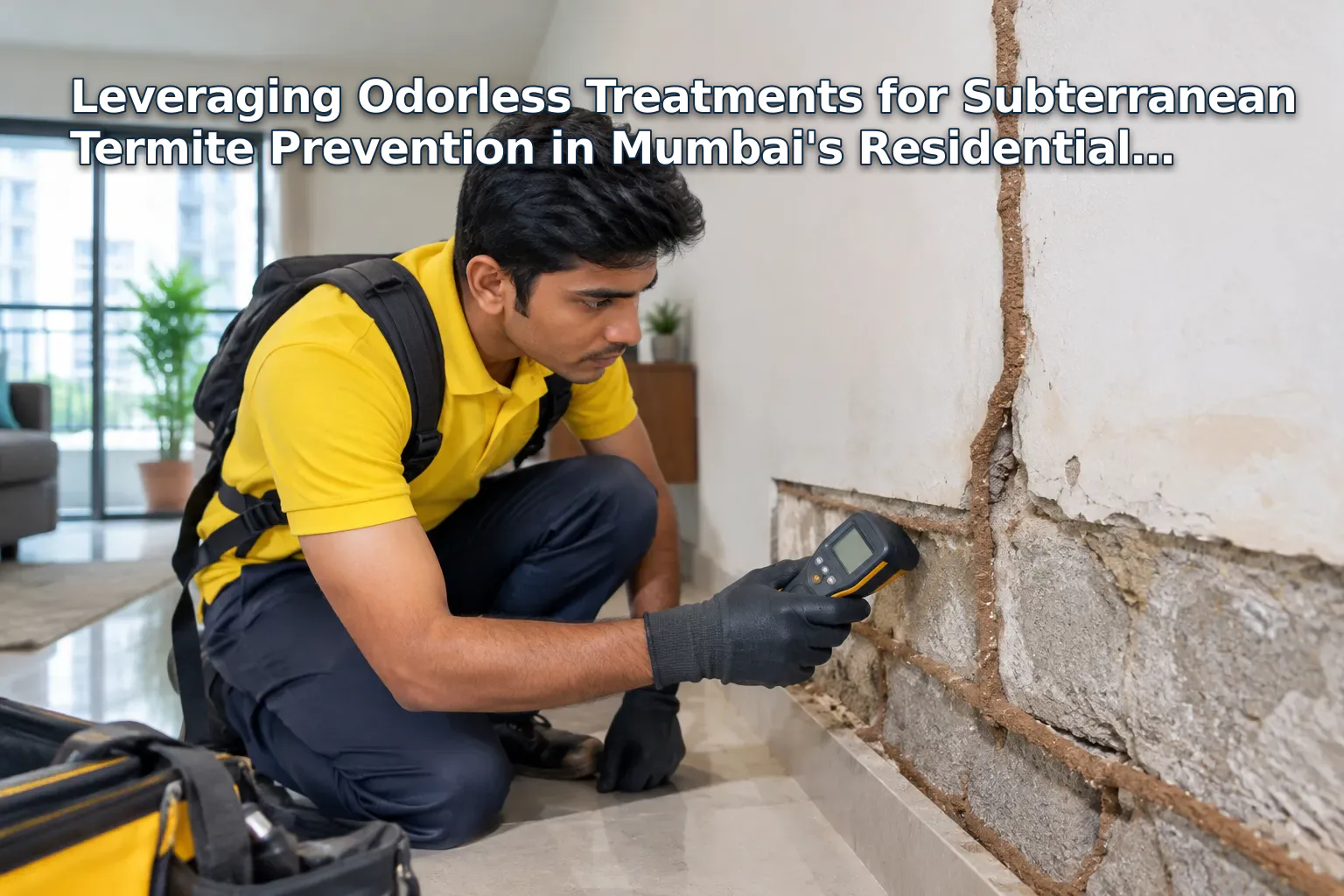
Detecting and understanding subterranean termites in Mumbai is critical for effective prevention. Begin by inspecting your property for mud tubes along foundations or wooden structures—these are indicative of subterranean activity. Prioritize odorless termite treatments for residential termite control, ensuring a benign environment while maintaining unfaltering efficacy.
Key Identification Markers:
- Mud Tubes: Subterranean termites construct mud tubes for moisture retention and safe travel. These tubes usually span from the ground to wooden features like beams or siding.
- Biological Distinctions: Recognize the caste system of workers, soldiers, and alates. Workers present soft, white bodies, soldiers have hardened mandibles, and alates are flying reproductives seen during swarm season.
Detecting Infestations:
- Wood Damage Signs: Spots of hollow-sounding wood or maze-like patterns in wooden surfaces indicate infestation.
- Moisture Monitoring: High moisture levels attract subterranean termites. Use moisture meters or keep an eye on any leaks that could offer termites a habitat.
Preventative Measures for Mumbai Homes:
- Post-Construction Odorless Treatments: Employ non-invasive drill-and-inject barrier systems to form a protective shield around your home, especially in post-construction scenarios.
- Maintain Dry Foundations: Ensure adequate drainage around your foundation to minimize moisture levels.
- Regular Inspections: Schedule annual professional inspections to preemptively address any termite presence, focusing on potential entry points such as cracks and gaps.
Comparative Analysis of Odorless Treatment Benefits:
| Feature | Standard Treatments | Odorless Treatments in Mumbai |
|---|---|---|
| Safety | Potential odor and chemical fumes | Completely odorless and safe for residents |
| Efficacy Against Infestation | Varies with formulation | Highly effective due to non-repellent components |
| Environmentally Friendly | Often includes harmful chemicals | Eco-conscious formulation designed to minimize impact |
In conclusion, integrating odorless termite treatments into your residential termite control plan in Mumbai ensures a safe, protected living environment. Focus on preemptive action, moisture management, and regular checks to safeguard your home from costly termite damage.
Inspection and Detection Methods for Mumbai Homes
Early detection and effective intervention are crucial for managing subterranean termites in Mumbai's residential spaces. A meticulously planned inspection is the foundation of robust termite prevention. Begin with a thorough examination of your home's perimeter and interiors, focusing on areas with direct soil contact, like basements and crawl spaces, which are common entry points for subterranean termites.
Key Inspection Steps:
- Identify Mud Tubes: Look for pencil-sized mud tubes on walls and foundations, a definitive sign of subterranean termite activity.
- Check Wood and Soil Contact: Ensure wooden structures are not in direct contact with soil. Elevate wood elements like decks and fence posts.
- Assess Moisture Levels: Termites thrive in moist conditions. Address leaks and ensure proper drainage to reduce humidity around woodwork.
Detection Techniques Include:
- Probing and Tapping: Gently probe wood with a screwdriver or tap it to listen for hollow sounds, indicating termite damage.
- Visual Inspection Tools: Utilize flashlights and magnifying glasses for identifying signs of termites in less accessible areas.
- Professional Monitoring Systems: Install odorless monitoring stations around your property to detect termite activity early.
For robust termite prevention in Mumbai, incorporate odorless termite treatments suitable for both post-construction measures and ongoing residential control:
- Micro-encapsulated Odorless Formulations: Provide non-repellent barriers that termites unknowingly pass through, ensuring comprehensive colony elimination.
- Odorless Drill-and-Inject Protocols: Create an unobtrusive protective barrier around your property’s foundation, targeting entry points directly.
For post-construction termite management, choose a tailored approach to securely safeguard your home’s value. Remember, consistent vigilance and routine maintenance play vital roles in an effective termite prevention strategy. By integrating comprehensive inspections with cutting-edge, odorless treatments, Mumbai homeowners can maintain termite-free environments, preserving the integrity and aesthetic of valuable woodwork and structural elements.

Comparing Odorless Barrier Protocols in Post-Construction
For effective termite prevention in Mumbai's post-construction phase, employing advanced odorless barrier protocols ensures structural integrity and property value preservation. These techniques, specifically designed for residential termite control in Mumbai, focus on fortifying the edifices against the invasive subterranean termites, notorious for their damaging habits.
Consider the advantages of odorless termite treatments over traditional methods:
- Health and Safety: Traditional treatments often emit strong chemicals, whereas odorless approaches, employed here, are non-intrusive and safer for occupants.
- Discreet Application: These treatments involve drill-and-inject techniques that cause minimal disruption to the property's structure and aesthetics.
- Environmentally Friendly: Emphasizing non-repellent termiticides reduces ecological impact and targets termites directly without affecting non-target species.
Checklist for Implementing Odorless Termite Prevention:
- Assessment and Identification:
- Detect signs of subterranean termite activity such as mud tubes or wood damage.
- Conduct a thorough inspection focusing on moisture-prone areas.
- Structural Examination:
- Evaluate potential entry points like foundation cracks or gaps in masonry joints.
- Application of Odorless Barriers:
- Drill strategically around the perimeter to introduce odorless termiticides.
- Ensure uniform distribution to create an impenetrable barrier.
- Moisture Control Measures:
- Address sources of excess moisture which termites rely upon for survival.
- Implement drainage solutions if necessary.
- Scheduled Monitoring:
- Regularly inspect the perimeter to ensure the barrier maintains its integrity.
- Schedule professional follow-ups for continuous protection.
Opt for odorless solutions tailored for Mumbai's unique climatic conditions to effectively ward off subterranean termites. This not only upholds the property's market value but also adheres to ecological standards, fostering a sustainable approach to termite prevention. For residents serious about safeguarding their homes, integrating these meticulous procedures ensures a robust defense against pest invasions.
Optimizing Odorless Treatments for Mumbai's Humid Climate
Mumbai's humid climate makes it imperative to implement proactive termite prevention strategies, particularly for residential structures. Subterranean termites thrive in moisture-rich conditions, posing a substantial risk to wooden elements within homes. Odorless termite treatments provide an optimal solution, ensuring effective control without the intrusive odor traditionally associated with pest control processes.
Key benefits of employing odorless termite treatments in Mumbai include enhanced residential comfort and uncompromised home aesthetics. Integrating odorless strategies involves strategically placing micro-encapsulated formulations and employing drill-and-inject barrier techniques, which are both undetectable to termites and provide a sustained protective shield.
Effective Techniques for Residential Termite Control in Mumbai:
- Subterranean Termite Detection
- Regular inspections for mud tubes around foundations and moist areas.
- Monitoring wooden structures for blistered exteriors or hollow sounds.
- Odorless Drill-and-Inject Perimeter Barrier
- Create a continuous protective barrier for existing structures, tailored to the unique soil and moisture conditions found in Mumbai.
- Moisture Control
- Implementing drainage solutions to prevent water accumulation around the property.
- Ensure proper ventilation in crawl spaces or basements.
- Pre-Construction Measures
- Soil treatment involves applying odorless barriers before foundation work begins, preventing termite ingress.
By prioritizing these techniques, homeowners and architects can safeguard property values and emphasize durable construction methodologies. Additionally, ensuring that all termite control measures are integrated into regular maintenance routines can drastically reduce the chances of infestation.
For Mumbai's property managers and residents, understanding the regional vulnerability to termites and leveraging odorless treatments ensures not only the preservation of aesthetics and structure but also human comfort and environmental well-being. Engaging professional termite prevention services skilled in these odorless solutions can provide peace of mind and uphold the integrity of residential spaces against subterranean threats.
Post-Treatment Maintenance and Monitoring Strategies
Post-treatment maintenance and vigilant monitoring are essential to safeguard your Mumbai property from subterranean termite infestations. Begin by scheduling regular inspections with a certified specialist to ensure the effectiveness of odorless termite treatments and promptly address any signs of termite activity. Proper maintenance enhances your protection strategy and mitigates future risks.
Key Maintenance and Monitoring Strategies:
- Routine Professional Inspections: Engage a termite specialist to inspect areas prone to infestations, such as basements, crawl spaces, and anywhere wood meets soil. These inspections should be conducted annually, or more frequently, for high-risk zones.
- Moisture Management: Subterranean termites thrive on moisture. Reduce humidity levels, repair leaks, and ensure proper drainage to create an inhospitable environment for termites.
- Odorless Barrier Reapplications: Over time, even the most advanced odorless barriers may require reapplication. Follow your termite control provider's recommendations concerning the maintenance and renewal timelines of these non-repellent treatments.
- Visual Monitoring Tools: Install termite detection stations around your home’s perimeter. These should be checked regularly to detect early signs of subterranean termite activity.
- Wood and Landscaping Management:
- Maintain a gap between soil and structural wood (e.g., door frames, porch supports).
- Use treated or naturally resistant wood for any structural repairs or construction.
- Keep mulch, wood debris, and plant growth at a distance from the foundation.
- Documentation and Reporting: Keep a detailed log of all inspections, treatments, and findings. Share this information with termite control professionals to tailor ongoing prevention plans.
By adhering to these strategies, you can effectively maintain your odorless termite treatments and ensure robust residential termite control in Mumbai. This preventive maintenance plays a critical role in preserving property value and structural integrity against the persistent threats posed by subterranean termites.
Frequently Asked Questions
What are subterranean termites and how do they affect homes?
Subterranean termites are a type of pest that live underground and feed on wood, causing significant structural damage to homes. They are prevalent in Mumbai due to the humid climate, which they find ideal for survival and proliferation.
Why choose odorless termite treatments in Mumbai?
Odorless treatments are preferred in Mumbai because they ensure effective termite control without disrupting indoor air quality. This approach is particularly vital for densely populated urban areas where minimizing chemical exposure is crucial.
How can I detect the presence of subterranean termites in my home?
Look for signs like mud tubes on walls, wooden structures, and hollow-sounding wood. Flying swarms inside or around your home during the swarming season can also indicate a termite problem.
What post-treatment maintenance is recommended after termite treatment?
After treatment, regular inspections and moisture control around your property are essential. Maintaining barriers and ensuring no new wood-soil contact can help prevent future infestations.
Related Guides
- Complete Guide: Pre-Construction vs Post-Construction Anti-Termite Treatment
- Odorless Termite Control for Noida Homes
- Utilizing Odorless Termite Treatments for Mumbai's Residential Pre-Construction
- Implementing Odorless Post-Construction Termite Barriers for Mumbai's Homes
- Choosing the Best Odorless Termite Barrier for Residential Pre-Construction in Noida
- Residential Termite Control: Protecting Your Home in Mumbai