
Odorless Termite Solutions for Mumbai's Commercial Pre-Construction Projects
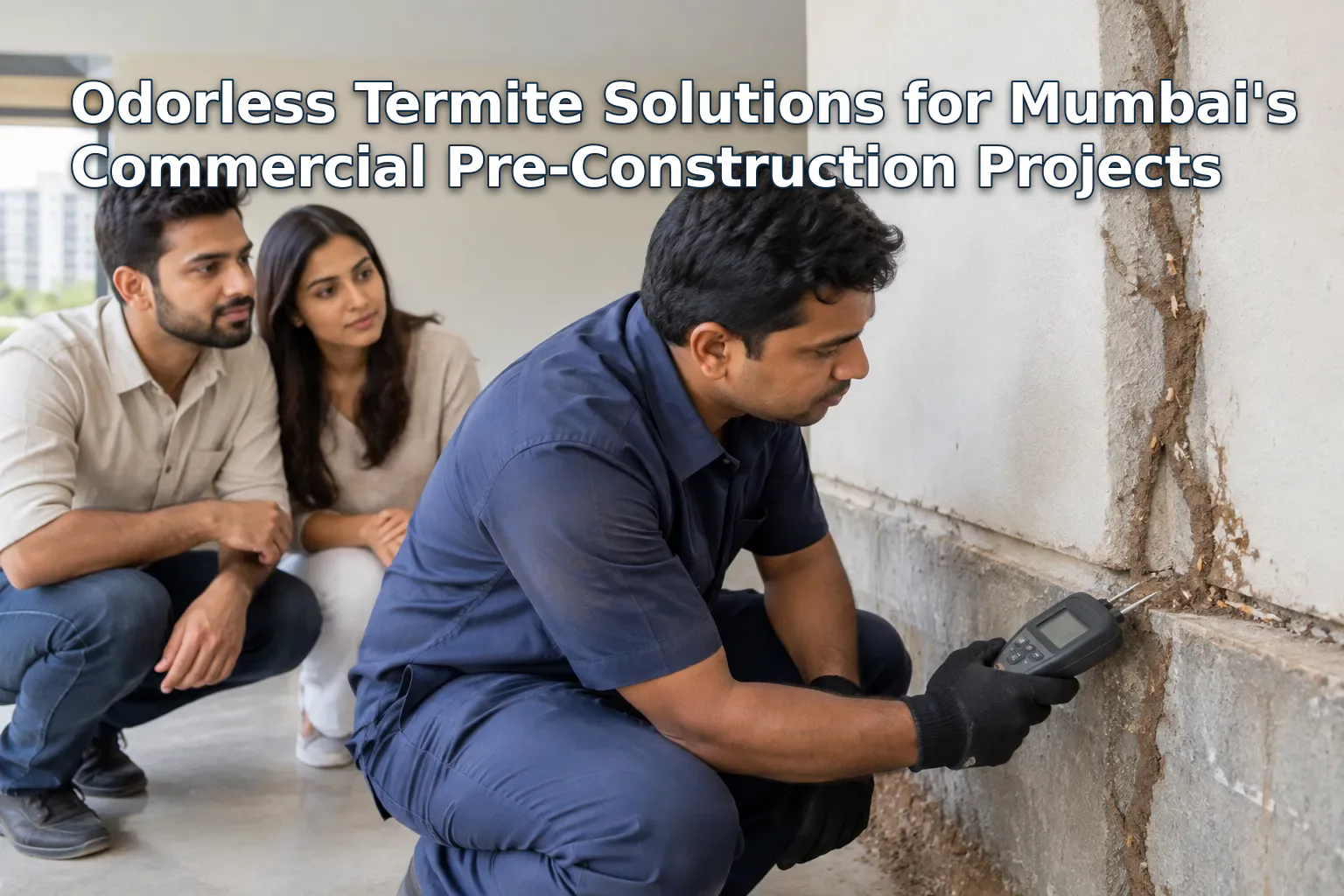
Identification & Life Cycle of Subterranean Termites
Subterranean termites, particularly prevalent in Mumbai, pose a significant threat to commercial pre-construction projects by attacking foundations and wood structures. Understanding their biology and life cycle is crucial for implementing effective termite treatment in Mumbai. Key insights into subterranean termites and mitigation strategies include:
- Biology & Caste System:
Subterranean termites operate within a structured caste system that includes workers, soldiers, and reproductive alates. Workers are primarily responsible for foraging and feeding activities, which makes them directly accountable for structural damage.
- Life Cycle Dynamics:
Their life cycle includes stages from egg to larva, eventually maturing into their specific roles. This cycle offers critical points for targeted termite control Mumbai solutions during pre-construction phases.
- Moisture Dependency:
These termites thrive in moist environments, typically constructing mud tubes (shelter tubes) to maintain humidity and provide protection while traveling from soil to wood sources. Anticipating and disrupting these behaviors can significantly reduce infestations.
For pre-construction termite management in commercial settings, implementing odorless termite treatments is essential. The goal is to form a formidable barrier before construction begins, safeguarding the investment long-term. Critical considerations and actionable steps include:
- Subterranean vs. Drywood Termites vs. Wood Borers:
Understanding the distinctions helps in choosing the right pre-construction termite Mumbai solutions. Subterranean termites, the most common in Mumbai, require soil-based intervention, whereas drywood termites invade dry wood directly.
- Pre-Construction Protocols:
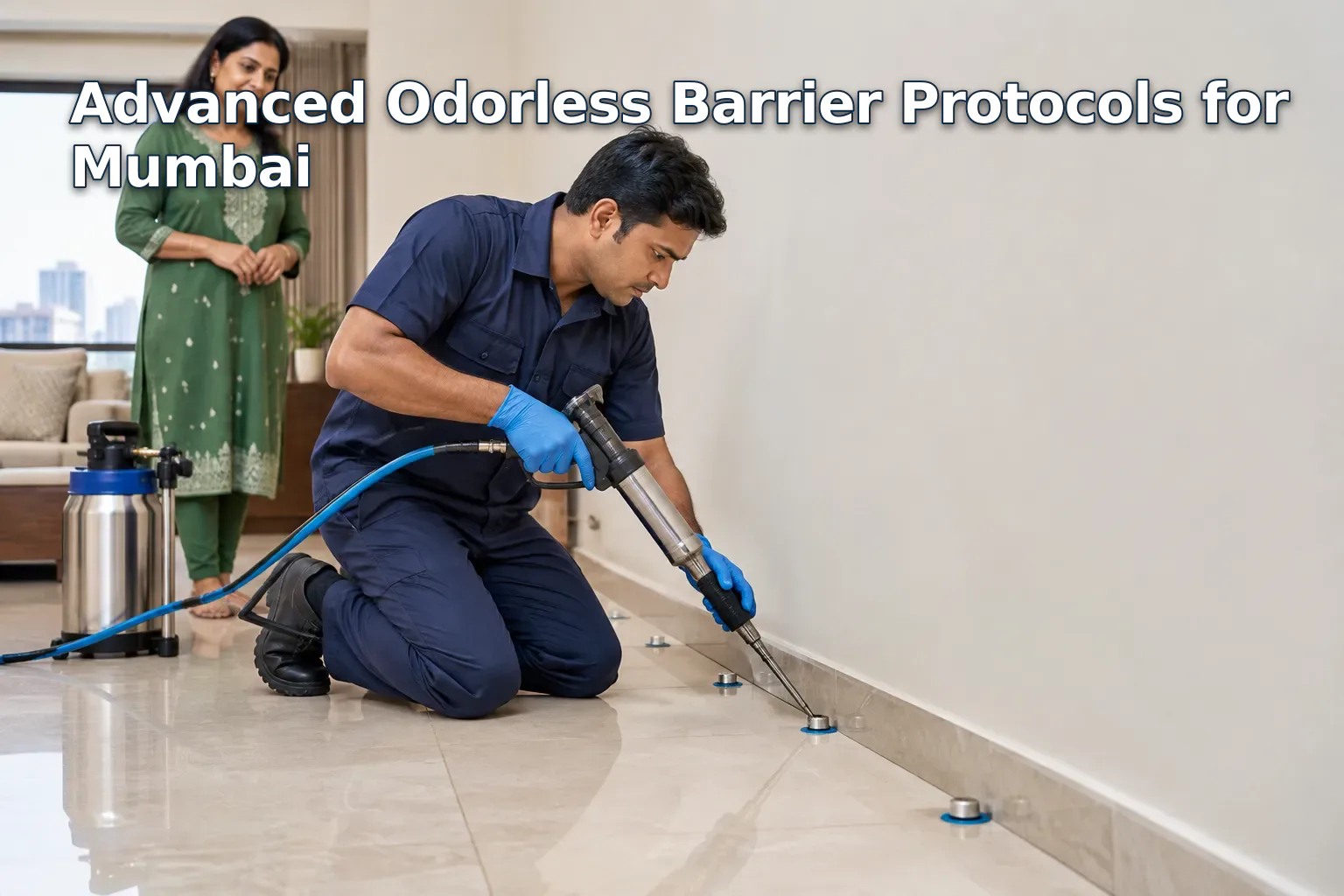
Utilize odorless drill-and-inject perimeter barrier techniques and advanced soil treatments before laying foundations or installing modular kitchen setups. These measures create an undetectable, non-repellent barrier that impedes termite infiltration.
These approaches ensure robust protection for commercial developments, preserving structural integrity and preventing costly repairs down the line. Adopting a proactive termite control Mumbai strategy during the pre-construction phase is vital in high-risk zones like Mumbai, where subterranean termites are a persistent threat.
Early Inspection Protocols for Construction Sites
Incorporating pre-construction termite treatment in Mumbai's commercial projects is crucial for securing long-term structural integrity. Early inspections can reveal vulnerabilities to subterranean termites, which are prevalent in Mumbai. Identifying potential entry points at the onset enables the implementation of effective preventative measures.
Key Inspection Protocols:
- Pre-Construction Soil Analysis:
- Objective: Determine soil conditions favorable for termite activity.
- Actionable Insight: Conduct comprehensive testing to assess moisture levels and organic content, which attract subterranean termites.
- Blueprint Review:
- Objective: Identify high-risk areas prone to termite ingress.
- Actionable Insight: Collaborate with architects to modify designs that reduce direct soil-to-wood contact, reinforcing susceptibility areas like foundation footings and retaining walls.
- Inspection of Construction Materials:
- Objective: Ensure no pre-existing termite issues.
- Actionable Insight: Prioritize the use of treated wood and validated termite-resistant materials, reducing vulnerabilities in critical structural components.
Effective Pre-Construction Termite Control Measures:
- Odorless Perimeter Barriers:
- Strategic drill-and-inject techniques utilize micro-encapsulated termiticides around the site's perimeter, providing an imperceptible barrier that subterranean termites cannot breach.
- Subterranean Detection Practices:
- Objective: Vigilance for early pest signs.
- Actionable Insight: Regularly check for the presence of mud tubes, indicating termite activity, particularly near moisture-rich soil interfaces.
Importance for Commercial Projects:
- Protect substantial investments by integrating these protocols early, ensuring that subterranean termites in Mumbai cannot compromise the foundation or future operations.
- Heightened protection for areas like basements and underground parking lots, where moisture can exacerbate termite risks.
Implementing these detailed inspection protocols and pre-construction measures for termite control in Mumbai ensures enhanced preservation of commercial property value and structural safety, leveraging advanced odorless treatments adapted to local environmental conditions.
Pre-Construction Soil Barriers vs Post-Construction Drilling
For commercial projects in Mumbai, implementing odorless termite treatment strategies at the pre-construction phase is critical to safeguarding future infrastructure. Utilize advanced pre-construction termite barriers to prevent subterranean termite infestations, which are prevalent in Mumbai due to the region's humid climate. Here’s a comparative breakdown of pre-construction soil treatments and post-construction drill-and-inject methods tailored for commercial establishments:
- Pre-Construction Termite Barriers:
- Application Timing: Must be applied during initial site groundwork and foundational excavation.
- Methodology: Employs micro-encapsulated, odorless termiticides mixed into the soil layer under the foundation.
- Benefits:
- Offers long-term protection by integrating into the foundational soil structure.
- Creates a continuous, non-detectable barrier that disrupts termite foraging and colony establishment.
- Cost-effective in the long term as it provides proactive protection.
- Considerations: Requires strategic coordination with construction timelines to ensure barrier integrity.
- Post-Construction Drill-and-Inject Techniques:
- Application Timing: Suitable for existing commercial structures facing infestation threats.
- Methodology: Involves injecting odorless termiticides into drilled holes around the perimeter of the building.
- Benefits:
- Provides tailored protection to specific areas showing active signs of infestation.
- Can be implemented without major disruption to business operations.
- Highly effective for precision-targeted remediation.
- Considerations: May involve higher immediate costs due to labor and equipment requirements.
In Mumbai, where subterranean termites are a persistent threat, adopting pre-construction termite tactics is indispensable for commercial ventures. Property developers and architects should seamlessly integrate these solutions to promote the longevity of structures and ensure operational continuity. Utilizing the odorless advanced treatment options sustains the aesthetic and functional aspects while complying with environmental safety standards crucial in urban development projects.
Advanced Odorless Barrier Protocols for Mumbai
To ensure robust termite defenses in Mumbai's commercial pre-construction projects, deploy advanced odorless anti-termite barriers tailored to subterranean termite activity. Prioritize implementing these protocols during foundation and soil preparation stages to preempt infestations and secure the longevity of structural assets.
Core Principles and Steps:
- Odorless Pre-Construction Soil Treatment:
- Engage a licensed pest management professional to conduct a comprehensive site assessment focused on subterranean termite risks.
- Apply advanced odorless non-repellent termiticides to the graded soil bed. This process forms an unseen, long-lasting deterrent, ensuring no offensive odors while maintaining habitation safety standards.
- Structured implementation should include:
- Uniform application beneath slabs and around foundation perimeters.
- Incorporation into critical areas such as plumbing and electrical service voids.
- Structural Barrier Placement:
- Ensure that the foundation integrates odorless drill-and-inject barriers post-slabs pour to add another protective layer.
- Prioritize injection at points of known risk such as expansion joints and wall-floor junctions to prevent termite ingress.
- Collaborative Planning:
- Collaborate closely with architects and civil engineers to embed terminal risk management into early project designs.
- Leverage construction blueprints to identify potential termite paths and weak points.
- Ongoing Surveillance Post-Construction:
- Set up a maintenance schedule for regular inspections, particularly for high-risk zones identified in initial evaluations.
- Use non-invasive monitoring tools to detect any potential breach without compromising the structural integrity or project timelines.
By adhering to these practices, stakeholders in Mumbai’s burgeoning commercial sectors can anticipate termite activity and mitigate damage risk, ensuring each structure is fit for purpose and free from pest-related depreciation.
Ongoing Maintenance After Construction Completion
To ensure the integrity and longevity of a new commercial project's foundation in Mumbai, a robust and ongoing termite management plan is critical. Begin by incorporating odorless termite control solutions into your post-construction maintenance schedule to proactively address any potential infestation of subterranean termites, notorious for their structural impact in the region.
Actionable Maintenance Checklist:
- Regular Inspections: Schedule biannual inspections by certified professionals to detect early signs of termite activity and evaluate the effectiveness of initial pre-construction termite treatments. This is crucial for commercial properties in Mumbai, where termite prevalence is significant.
- Moisture Control: Implement effective drainage and ventilation systems to reduce moisture—a primary attractant for subterranean termites. This is essential in Mumbai's humid climate.
- Structural Monitoring: Check expansion joints, utility penetrations, and the integrity of the drill-and-inject barrier system quarterly. Pay particular attention to wooden structures like frameworks and cabinetry within modular systems.
- Odorless Barrier Refresh: Refresh the perimeter protection annually using advanced odorless anti-termite barriers to reinforce the soil treatment initially applied during the pre-construction phase. This reinforces the existing protection against termite encroachment.
- Documentation and Logs: Maintain detailed records of all treatments and inspections. Thorough documentation aids in monitoring trends and planning future termite control strategies.
- Employee Awareness: Train facility managers and maintenance staff to identify signs of termite activity, such as mud tubes or discarded wings. Equip them to act swiftly by reporting these to the pest management service.
By consistently adhering to these guidelines, Mumbai's commercial establishments can maintain a termite-free environment, effectively preserving the integrity of their facilities. An ongoing commitment to these strategies ensures that the foundational investments into pre-construction termite management continue to offer valuable returns in terms of structural protection and property value. Engage with professional termite control services familiar with local conditions and preventative methodologies for optimal results.
Frequently Asked Questions
What are the benefits of odorless termite treatments?
Odorless termite treatments provide a discreet and non-intrusive solution to termite control. They allow for effective pest management without the strong chemical odors, making it suitable for sensitive environments.
How do subterranean termites affect commercial construction projects in Mumbai?
Subterranean termites can cause severe structural damage by attacking wood and foundations. In Mumbai's humid climate, they thrive, prompting the need for proactive pre-construction treatment to avert considerable damage and costly repairs.
Why is pre-construction termite treatment crucial?
Pre-construction termite treatment forms a protective barrier that prevents termite infiltrations from the ground before the structure is built. This proactive approach is more cost-effective and prevents future infestations compared to post-construction treatments.
What is involved in pre-construction termite control?
Pre-construction termite control typically involves treating the soil with termiticides to create a chemical barrier. This process is designed to deter termites from entering through the soil, ensuring long-term protection for the building.
Related Guides
- Complete Guide: Pre-Construction vs Post-Construction Anti-Termite Treatment
- Odorless Termite Barrier Strategies in Noida
- Odorless Post-Construction Termite Treatment for Mumbai's Commercial Spaces
- Effective Wood Preservation Techniques for Commercial Spaces in Noida Against Subterranean Termites
- Innovative Odorless Termite Control for Mumbai's Commercial Pre-Construction