
Wood Preservation Techniques Against Subterranean Termites
Understanding Subterranean Termites: Identification and Life Cycle
Subterranean termites, prevalent in Noida, pose a significant threat to wooden structures due to their relentless foraging and moisture dependency. Effective wood preservation requires precise identification of these pests and an understanding of their biology. Here's how you can manage and prevent termite damage:
- Identify Subterranean Termites:
- Caste System: Recognize the three primary castes—workers, soldiers, and alates. Workers maintain the colony and construct mud tubes; soldiers protect from threats; alates are winged and responsible for reproduction.
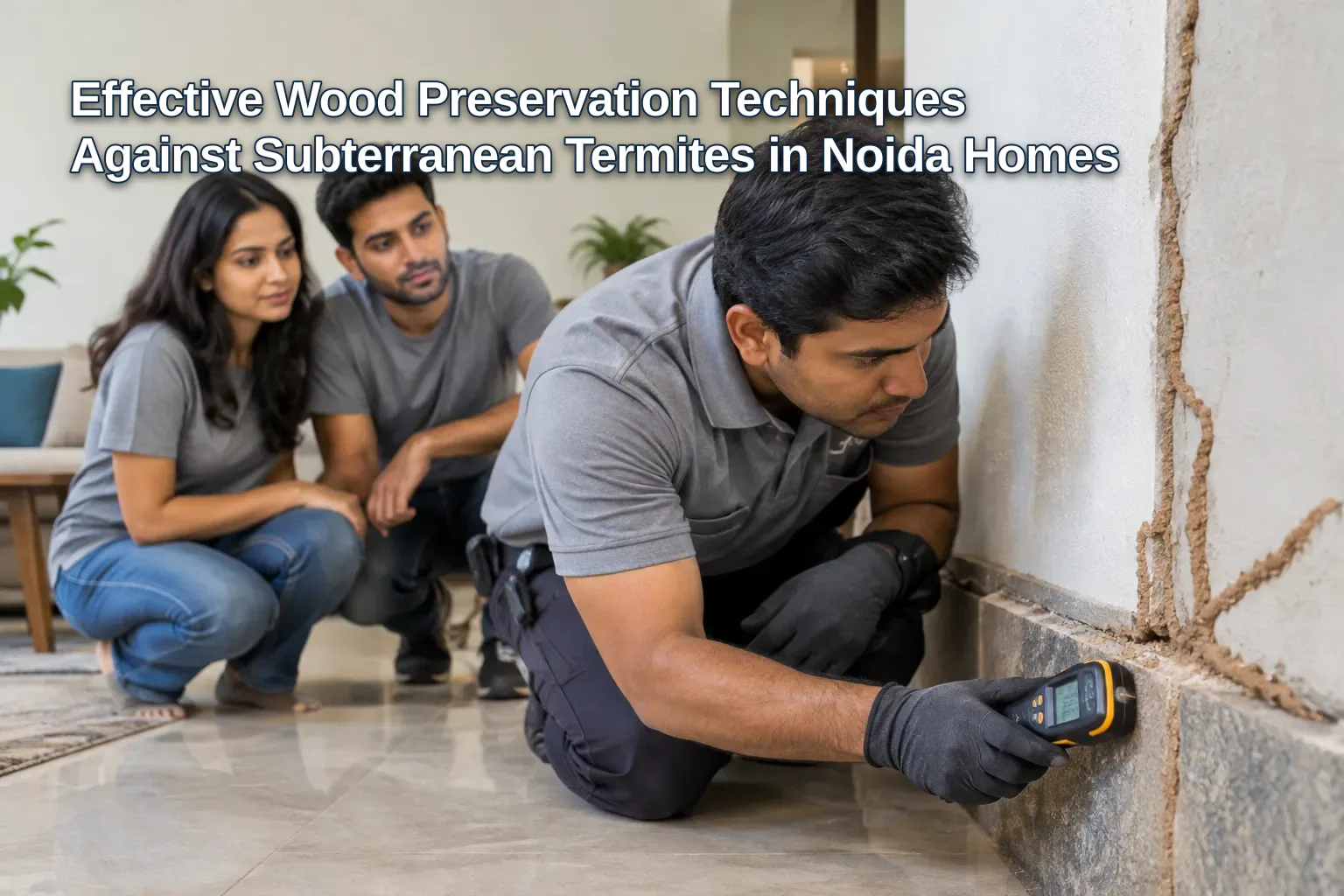
- Mud Tubes: Look for pencil-thick mud tubes around the foundation and wooden elements. These tubes are tunnels that help termites maintain moisture as they travel between the colony and food sources.
- Moisture Dependency: Termites thrive in moist environments. Check for leaky pipes, poor drainage, and wood-to-soil contact areas.
- Life Cycle and Behavior:
- Alates swarm typically after rain, indicating a nearby colony.
- Workers, constantly foraging, can cause extensive structural damage if unchecked.
- The colony's expansion and wood consumption are driven by temperature and humidity levels, common in Noida's climate.
- Strategies for Wood Preservation:
- Odorless Barrier Protocols: Implement drill-and-inject odorless treatments around structures to establish subterranean protection without disrupting residential life.
- Residential Termite Control: Regular inspection and maintenance are crucial. Engage professional services specializing in odorless termite solutions that abide by Integrated Pest Management principles.
- Construction Techniques: In pre-construction phases, treat soil with an odorless anti-termite barrier to safeguard against future infestations.
By identifying the signs early and applying the appropriate odorless termite treatments, property owners in Noida can effectively protect their wooden structures from subterranean termites. For comprehensive protection and peace of mind, always consult with a certified residential termite control expert familiar with local conditions and solutions.
Odorless Drill-and-Inject Barrier Methods
Effective termite treatment in Noida hinges on incorporating odorless drill-and-inject barrier methods that cater specifically to the biology and behavior of subterranean termites. Begin by prioritizing the establishment of an external protective barrier: this entails using micro-encapsulated odorless formulations injected via precision drilling around your property’s perimeter. Here’s how you can enhance residential termite control in Noida through these sophisticated methods:
- Initial Inspection: Conduct a comprehensive assessment of vulnerable spots, concentrating on wooden structures, moisture-prone areas, and existing entry points that termites could exploit.
- Drill-and-Inject Approach:
- Drilling Pattern: Implement strategic drilling at intervals along masonry walls, floor joints, and foundation bases.
- Barrier Formulation: Deploy advanced odorless termiticides that are imperceptible to termites, ensuring they carry the treatment back to the colony.
- Encapsulation Benefits: The micro-encapsulation allows gradual release of the active ingredient, providing long-lasting protection without the drawbacks of odor or toxicity.
- Post-Treatment Monitoring: Schedule regular inspections post-application to verify the integrity of the barrier. This can involve checking for new mud tubes and signs of termite activity and ensuring immediate intervention if necessary.
- Pre-Construction Soil Treatment (if applicable): Before laying the foundation, treat the soil with odorless, non-repellent treatments to deter subterranean termite incursions from below ground.
- Follow-Up Strategies for Enhanced Preservation:
- Prioritize installation of moisture barriers to reduce termite attraction since their colonies thrive in humid conditions.
- Ensure that wooden elements are protected by regular application of wood preservatives and maintain proper clearance from soil.
Structured in this methodical manner, odorless termite treatment Noida remains an indispensable strategy in fortifying properties against the persistent threat of subterranean termites, thus safeguarding valuable assets and enhancing the longevity of residential structures.
Early Inspection Protocols for Noida Homes
Early detection is paramount in protecting Noida homes from subterranean termites, as it allows for swift enactment of odorless termite treatment plans that safeguard wood integrity. Accurate inspection methods are essential to effective residential termite control strategies. Here's a comprehensive breakdown to help homeowners in Noida maintain vigilant control over subterranean termites:
1. Recognize the Signs of Infestation:
- Mud Tubes: Check for pencil-thin mud tubes on exterior walls, which serve as protective highways for termites.
- Wood Damage: Tap wooden elements to listen for hollow sounds or inspect for grooves parallel to the grain.
- Discarded Wings: Identify possible alate swarms by finding small, discarded wings near windows and doors.
2. Moisture Management:
- Keep foundations dry by repairing leaks and using proper drainage systems.
- Ensure wooden elements are not in direct contact with soil.
- Use moisture barriers to separate wooden structures from potential termite habitats.
3. Structural Inspections:
- Perform a bi-annual inspection focusing on basements, crawl spaces, and attics.
- Look for signs of mud formations within crawl spaces and corner joists.
4. Odorless Treatment Protocols:
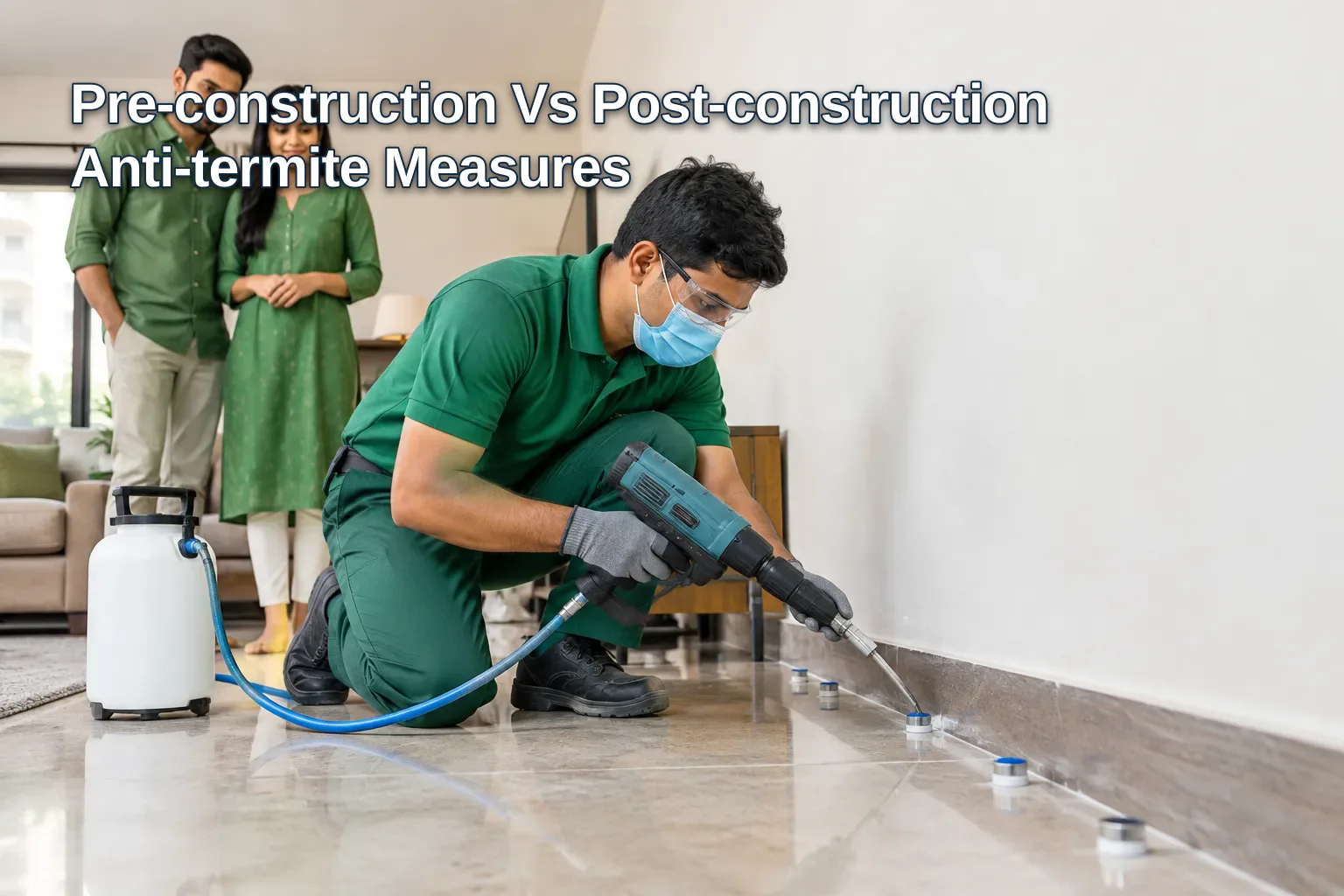
- Apply odorless drill-and-inject perimeter barriers around the foundation to create a continuous protective shield.
- Incorporate non-repellent odorless termiticides to disrupt termite colonies without alarming them—an essential element in subterranean termite treatment in Noida.
5. Routine Maintenance:
- Regularly inspect wood-to-soil contacts and seal entry points around pipes and utility lines.
- Consult with termite control professionals for routine assessments and to set up a preventive maintenance schedule.
These guidelines provide Notida homeowners with the knowledge needed to proactively safeguard their properties. By implementing these early inspection protocols, combined with advanced odorless termite treatments, you can significantly extend the life of wooden structures, ensuring long-term preservation and peace of mind.
Pre-construction Vs Post-construction Anti-termite Measures
In Noida's evolving residential landscape, safeguarding your property against subterranean termites demands strategic planning and execution. The choice between pre-construction and post-construction termite measures can significantly impact the longevity and integrity of your woodwork and structural foundations.
Pre-Construction Anti-Termite Measures:
- Odorless Soil Treatment: Prior to laying the foundation, an odorless termiticide treatment is applied to the soil. This establishes a long-lasting barrier that deters termites from penetrating the structure from below.
- Seamless Integration: Ensure that this process is included as a standard part of the construction timeline to seamlessly integrate termite prevention into the building's architecture.
- Economically Prudent: Initial implementation during construction phase is more cost-effective compared to undertaking extensive repairs post-infestation.
Post-Construction Anti-Termite Measures:
- Odorless Drill-and-Inject Techniques: These tactics involve creating a protective barrier around existing structures. Strategically placed drill holes are filled with an odorless termiticide, forming an impregnable line of defense against termite incursions.
- Comprehensive Inspection: Regular inspections are paramount. Look for mud tubes along foundation walls or signs of termite activity, particularly near moisture-rich areas.
- Targeted Barrier Maintenance: Focus on protecting high-value woodwork areas such as modular kitchens, wooden door frames, and hardwood flooring with odorless treatments.
Comparison Table
| Aspect | Pre-Construction | Post-Construction |
|---|---|---|
| Approach | Preventative, foundational level | Protective, structure-focused |
| Timing | During the initial construction phase | Post building completion or upon infestation |
| Cost Implication | Lower due to integration with construction | Potentially higher due to methodical procedures |
| Application Method | Soil treatments using odorless termiticides | Drill-and-inject with odorless termiticides |
By adopting these approaches for termite treatment in Noida, property owners can uphold structural integrity and ensure longevity while mitigating the risk of significant termite damage. Incorporating comprehensive wood preservation techniques and regular maintenance within residential termite control frameworks provides a robust, odorless solution against termite threats.
Protecting Valuable Wooden Structures in Noida Homes
The most effective strategy for wood preservation against termites in Noida is implementing a comprehensive, odorless termite treatment plan. Begin by understanding the biology and behavior of subterranean termites commonly found in the area. These termites depend on moisture and build mud tubes to access wood, making early detection and intervention imperative in residential termite control.
Actionable Steps for Effective Wood Preservation:
- Regular Inspections: Schedule professional inspections at least annually, focusing on concealed areas such as crawl spaces, basements, and attics.
- Moisture Control: Reduce moisture through adequate ventilation in attics and basements. Fix leaking pipes or faucets promptly to prevent attracting termites.
- Odorless Barrier Treatments: Implement a perimeter drill-and-inject barrier using advanced odorless technologies. This method is effective in creating an invisible shield that disrupts termite pathways without impacting indoor air quality.
- Use of Micro-Encapsulated Odorless Formulations and Gel Baiting: Employ these to target termite paths specifically. The slow-acting formulations ensure that termites share the bait with the colony effectively, curtailing infestations from the core.
Comparison of Treatment Protocols:
| Treatment Stage | Odorless Pre-Construction | Odorless Post-Construction |
|---|---|---|
| Application Type | Soil treatment prior to laying foundations | Drill-and-inject methodology for existing structures |
| Key Benefits | Prevents termite entry before any structural development | Retroactively protects by sealing entry points and paths |
| Cost Variables | Dependent on site size and condition | Influenced by extent of current infestation and structural complexity |
Implementing these strategies will ensure your wooden structures stand resilient against subterranean termite threats in Noida. Utilizing odorless termite treatments not only preserves the aesthetics and integrity of your home but also safeguards property value for the long term. Prioritize preventative measures to minimize future risks and foster a durable, termite-free environment.
Frequently Asked Questions
What are the signs of a subterranean termite infestation?
Signs of subterranean termite infestation include pencil-thick mud tubes on walls or foundations, hollow-sounding wood when tapped, and the presence of discarded wings from alates after a swarm.
How can I prevent termite damage in Noida homes?
To prevent termite damage in Noida homes, conduct regular inspections, ensure proper drainage to avoid moisture buildup, implement pre-construction anti-termite treatments, and consider using odorless drill-and-inject chemical barriers.
What is the role of a termite's caste system?
The caste system of termites includes workers, who maintain the colony and gather food; soldiers, who defend the colony; and alates, which are the reproductive members responsible for swarm flights and founding new colonies.
Are odorless termite treatments effective against subterranean termites?
Yes, odorless termite treatments, such as drill-and-inject chemical barriers, are highly effective in preventing subterranean termites from infesting wooden structures by creating a protective barrier around them.