
Comprehensive Guide to Commercial Termite Control in Mumbai
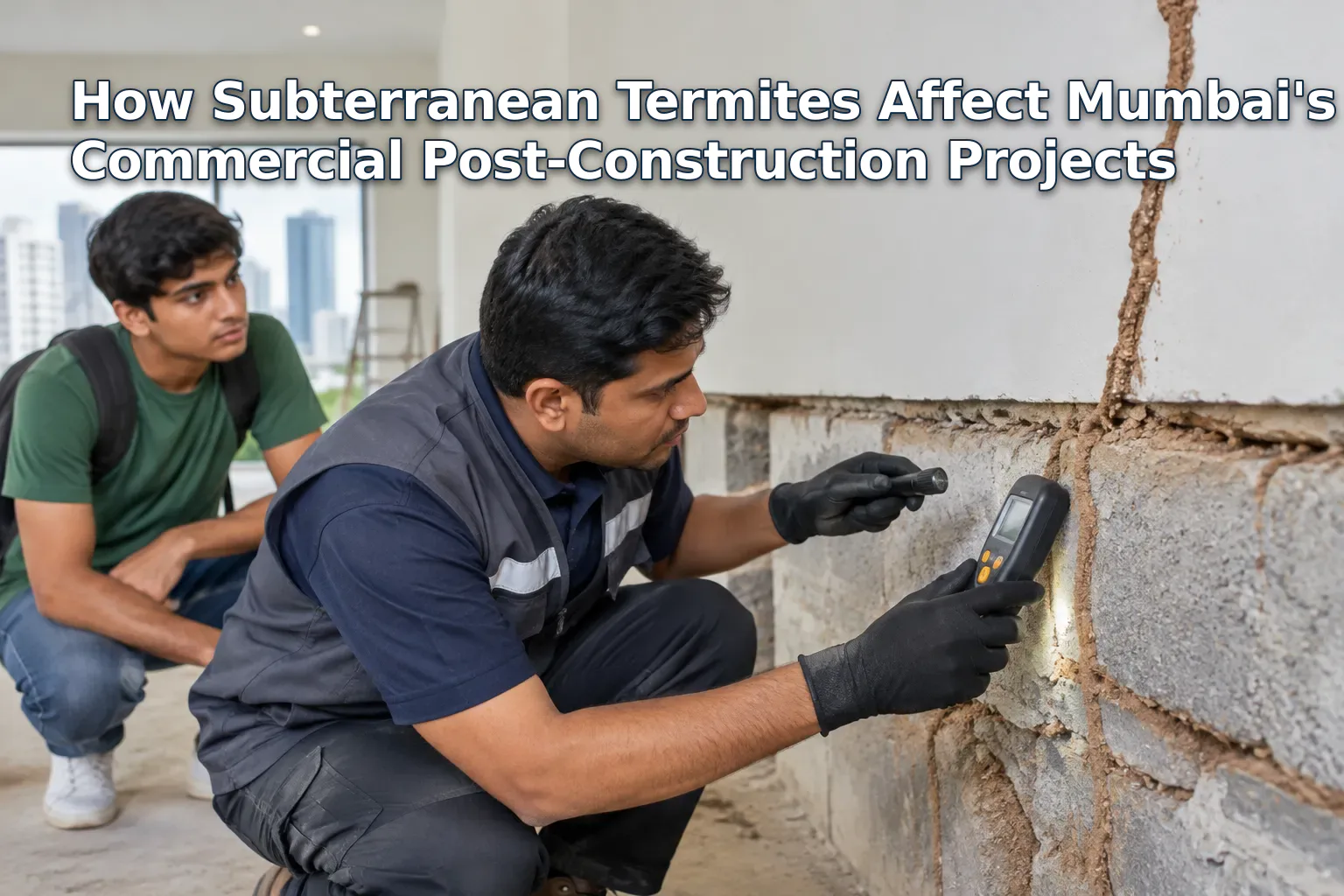
Understanding Subterranean Termites in Mumbai
In Mumbai's commercial settings, the battle against subterranean termites necessitates strategic termite control methodologies focused on early detection and prevention. With these pests being most active in the humid climate of Mumbai, effective commercial termite treatment is a priority for preserving structural integrity and preventing costly damages.
Key Characteristics of Subterranean Termites in Mumbai:
- Moisture Dependency: These termites thrive in high-moisture environments, making Mumbai's monsoon season a peak activity period.
- Mud Tubes: They construct shelter tubes to protect themselves while traveling from soil to wood, indicating active infestations.
- Caste System: Includes workers that damage wood, soldiers that defend the colony, and alates that reproduce.
Effective Post-Construction Termite Control Strategies:
- Odorless Drill-and-Inject Barriers:
- Implement non-repellent termiticides by creating drill-and-inject barriers around foundations and perimeter walls.
- Focus on potential entry points such as expansion joints, utility entryways, and foundation cracks.
- Regular Inspections:
- Conduct termite inspections biannually to spot early signs of activity.
- Pay special attention to basements, ground floors, and areas with chronic moisture issues.
- Structural Modifications:
- Ensure proper drainage systems to prevent water accumulation.
- Use construction materials that deter moisture retention, such as treated wood and concrete.
Commercial Termite Treatment Benefits:
- Enhances the longevity of wooden structures and furnishings.
- Protects the value and aesthetic of commercial investments.
- Minimizes the risk of operational disruptions due to structural repairs.
When managing subterranean termites in Mumbai, it's critical to employ proactive measures focusing on the unique environmental conditions. By establishing advanced odorless protective barriers, businesses can maintain their commercial spaces in termite-free condition, safeguarding not only the property but also their financial investments in Mumbai's thriving landscape.

Odorless Termite Barrier Protocols for Mumbai Projects
Implementing comprehensive odorless termite barrier protocols is crucial for protecting commercial properties in Mumbai from subterranean termite infestations. The key to effective termite control in Mumbai lies in understanding their biology and habitat preferences to design robust post-construction and odorless barrier systems.
- Understand the Subterranean Threat:
- Subterranean termites, prevalent in Mumbai, thrive in damp soil conditions, constructing mud tubes from the ground to wooden structures.
- Recognize species: Coptotermes and Reticulitermes are common, with worker termites causing the most damage while soldiers and alates ensure colony defense and reproduction.
- Odorless Drill-and-Inject Protocols:
- For existing commercial structures, an odorless drill-and-inject perimeter is pivotal.
- Holes drilled at regular intervals create a consistent barrier of non-repellent odorless termiticides, impacting termites without alerting them.
- Protection Strategy for Mumbai's High Humidity:
- Mumbai's humidity enhances subterranean activity. Moisture management is crucial.
- Ensure proper drainage and reduce soil-to-wood contact to prevent easy access.
- Post-Construction Termite Measures:
- Regular inspections for mud tubes and damaged wood can prevent extensive damage.
- Implementing odorless barriers prevents colony establishment in newly renovated or newly occupied commercial spaces.
- Odorless Anti-Termite Barriers Benefits:
- Non-disruptive to business operations as they are odorless.
- Environmentally considerate and safe for indoor environments.
- Long-Term Commercial Strategies:
- Integrated Pest Management endorses regular monitoring and maintenance of existing barriers.
- Documentation of pest management operations and treatments ensures compliance and effective barrier management.
Consistent application of these guidelines ensures effective commercial termite treatment in Mumbai. Regular updates to these strategies align with ongoing developments in pest management, ensuring your commercial property remains protected from termite threats.
Key Signs of Subterranean Termite Infestation in Commercial Buildings
Detecting subterranean termite activity early is crucial for maintaining the structural integrity of commercial buildings in Mumbai. Key indicators include the presence of mud tubes, often found along foundations or walls, which are constructed by termites as protective passageways. Spotting these alongside damaged wood suggests an active infestation requiring immediate termite control in Mumbai.
Stay vigilant with these actionable signs to catch termite activity before it becomes a severe problem:
- Mud Tubes: These pencil-thin tubes, prevalent in basements or crawl spaces, connect soil and wood food sources. Break one to check for termites or activity.
- Damaged Wood: Subterranean termites consume wood from the inside out. Tap wood surfaces and listen for hollow sounds, signaling possible termites.
- Swarmers (Alates): Winged termites indicate a mature colony nearby. After swarming, they shed their wings, often seen near windowsills or light sources.
- Discarded Wings: A clear trail of wings can be found near entry points like doors and windows, highlighting areas to focus on with commercial termite treatment in Mumbai.
- Visible Termite Frass: Though less common with subterranean species, inspecting for any granules resembling sawdust around wooden structures is prudent.
For effective post-construction termite protection, businesses should consider deploying odorless termite barriers in Mumbai. These barriers:
- Detect and Prevent: They identify active termites and prevent future entry with micro-encapsulated formulas.
- Non-Intrusive: Applied without disturbing normal operations or leaving unpleasant odors.
- Integrated Protection: Combine with drill-and-inject protocols to secure foundations and perimeters.
Commercial entities in Mumbai should proactively engage in termite control practices to safeguard against structural damage. Regular inspections, using professional services specialized in subterranean termites Mumbai, ensure robust defenses are in place. Engage experts for annual assessments to pre-empt potential outbreaks and preserve your business's infrastructure using advanced odorless technologies.
Protecting Commercial Infrastructure: Focus on Woodwork and Flooring
Subterranean termites pose a significant threat to commercial infrastructure in Mumbai, where high humidity and dense populations create favorable conditions for these pests. Protecting your investment starts with targeted termite control measures that leverage the latest odorless solutions. Here’s how to ensure robust defense against termite damage to your woodwork and flooring:
- Early Detection and Regular Inspection:
- Schedule professional inspections at least annually.
- Focus on areas with high moisture content, like basements and service areas.
- Check for mud tubes, which are key indicators of subterranean termite colonies.
- Understand Your Woodwork Vulnerabilities:
- Identify and monitor high-risk zones like modular kitchen cabinets and hardwood flooring.
- Prioritize wooden door frames and baseboards, commonly targeted by termites.
- Post-Construction Termite Control Methods:
- Utilize odorless drill-and-inject perimeter barrier protocols to create an undetectable shield around the structure.
- Apply advanced odorless non-repellent termiticides that effectively eliminate termites without disrupting business operations.
- Odorless Treatment Advantages:
- Unlike traditional methods, our solutions prevent disruptions and maintain office air quality.
- Safe for sensitive environments where health regulations must be uncompromising.
- Moisture Management and Routine Maintenance:
- Implement drainage solutions to reduce soil moisture around building foundations.
- Ensure proper ventilation in crawl spaces and attics to discourage termite nesting.
- Customizing your Approach Based on Space:
- Architects and facility managers in Mumbai can coordinate with termite control specialists to design integrated pest management (IPM) strategies tailored to specific structural challenges.
By integrating these comprehensive termite control strategies, you not only protect your commercial property in Mumbai from potential damage but also ensure its long-term preservation and value. Invest in these protective measures today, as the prevention of termite infestations is far more cost-effective than remediation.
Maintaining Termite Protection in High-Risk Areas
Proactive termite control in Mumbai's commercial areas is imperative to safeguard structural integrity and prolong the lifespan of your establishment. Begin by deploying comprehensive post-construction termite Mumbai strategies, focusing on subterranean termites. This involves installing odorless termite barriers to prevent infestations in high-risk areas, such as basements with moisture or structures adjoining green spaces.
Key Steps for Maintaining Termite Protection:
- Regular Inspections: Conduct bi-annual inspections in vulnerable zones such as basements, storerooms, and areas with direct ground contact. Early detection is crucial to prevent costly repairs.
- Moisture Management: Ensure all entry points are sealed and plumbing leaks are immediately addressed. Subterranean termites thrive in moist environments, so controlling humidity levels is essential.
- Deploying Odorless Anti-Termite Barriers: Utilize drill-and-inject methods along the perimeters of the building. This creates a protective shield against termite intrusion without disrupting daily operations.
- Strategic Monitoring Stations: Install bait stations in strategic locations around the premises. These stations can effectively manage termite populations and provide early detection of activity.
Comparison of Pre-Construction vs. Post-Construction Barriers:
| Aspect | Pre-Construction Soil Barriers | Post-Construction Masonry Drill-and-Inject |
|---|---|---|
| Timing | Implemented before building begins | Applied to existing structures |
| Application Method | Soil treatment with trenching techniques | Drill holes into masonry and inject odorless termiticides |
| Effectiveness | Provides continuous protection from initial stage | Offers reinforced protection in established, vulnerable areas |
| Maintenance | Requires less frequent maintenance; designed to last the life of the building | Regular inspections and potential replenishing for effectiveness |
Adopting these termite control Mumbai measures systematically can actively prevent subterranean termite intrusions and mitigate structural risks. For commercial termite treatment in Mumbai, this multi-layered approach ensures comprehensive protection against possible infestations while preserving the operational efficiency and value of the property.
Frequently Asked Questions
What are the main signs of termite infestation in commercial buildings?
Key signs include mud tubes on exterior walls, hollow-sounding wood, discarded wings near windows, and small piles of termite droppings resembling sawdust.
Why is termite control essential for businesses in Mumbai?
Mumbai's humid climate and monsoon season create ideal conditions for termites. Protecting commercial structures from termite damage safeguards business investments and prevents costly repairs.
How often should termite inspections be conducted in Mumbai commercial properties?
It is recommended to conduct termite inspections at least twice a year, especially before and after the monsoon season, to detect and prevent potential infestations early.
What are odorless termite barrier protocols?
Odorless termite barrier protocols involve using non-repellent termiticides in drill-and-inject methods around foundations to create a protective barrier, specifically targeting entry points without causing odor issues.
Related Guides
- Effective Termite Control Strategies for Alibaug Properties
- Protective Strategies for Wood Against Subterranean Termites in Mumbai
- How Odorless Post-Construction Termite Barriers Protect Commercial Properties in Noida
- Odorless Post-Construction Termite Treatment for Mumbai's Commercial Spaces
- Odorless Termite Solutions for Mumbai's Commercial Pre-Construction Projects
- Subterranean Termites and Commercial Property Protection in Mumbai
- Innovative Odorless Termite Control for Mumbai's Commercial Pre-Construction