
Identifying Subterranean Termite Mud Tubes and Hidden Entry Signs
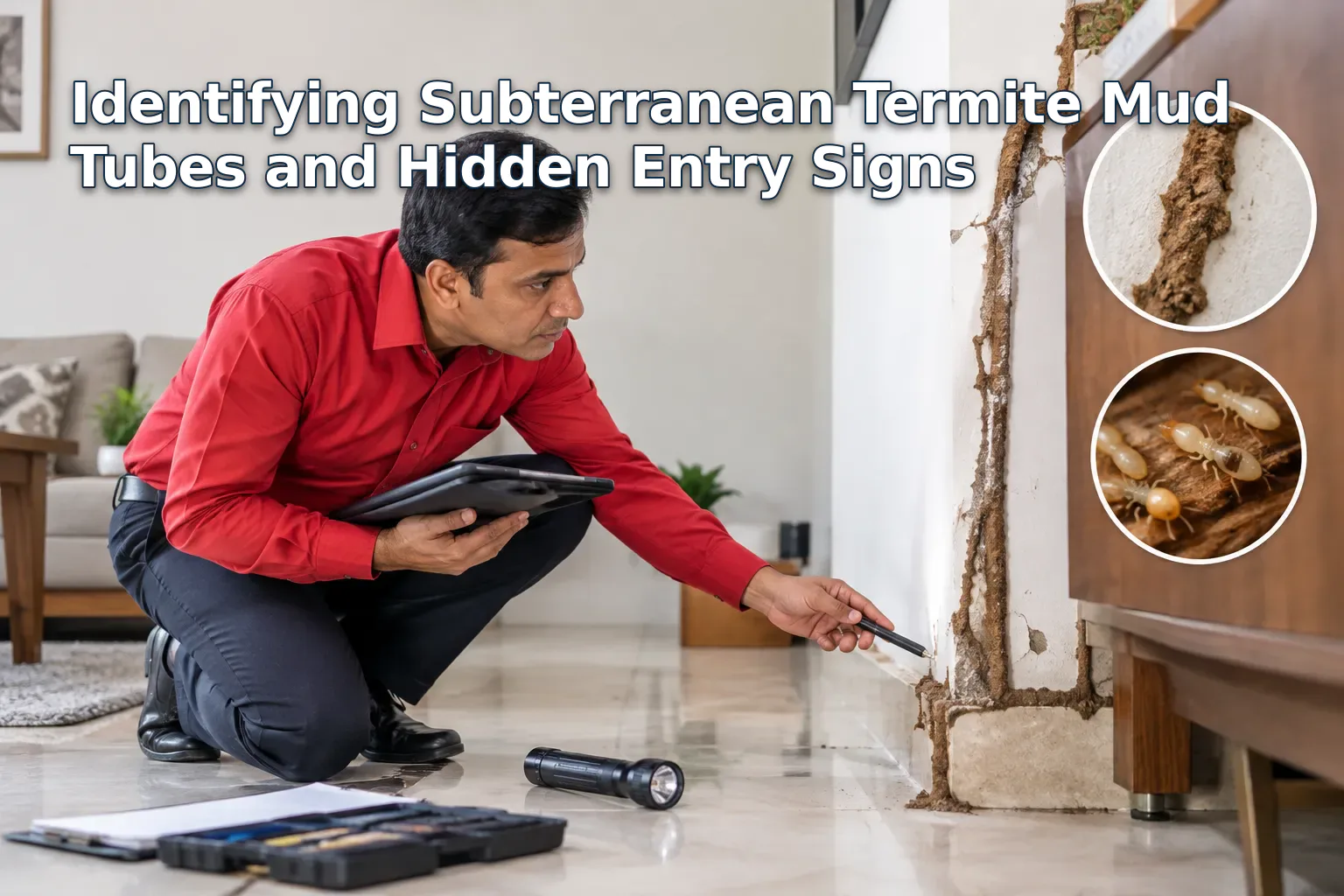
Recognizing Termite Mud Tubes and Their Purpose
Termite mud tubes are a key indicator of subterranean termite activity, acting as protective passageways between soil and wood. To effectively identify these tubes, examine foundations, crawl spaces, and often-overlooked areas such as utility penetrations and sill plates. The mud tubes, typically the width of a pencil, are constructed from soil, saliva, and fecal matter, providing a moist environment essential for termite survival and concealment. Early identification of these signs can significantly mitigate damage and reduce the impact of termite infestations.
Key points for termite identification include:
- Location: Inspecting regularly around the foundation and under structural beams can reveal new or ongoing termite activity.
- Structure: Mud tubes may appear straight, meandering, or branching, often following cracks and joints.
- Texture and Color: These tubes typically have an earth-like color and gritty texture. If broken open, look for worker termites, which are cream-colored and narrow.
- Size: Pencil-width is common, but tubes can expand as termite populations grow.
These mud tubes serve more than just protection; they facilitate moisture retention for termites’ soft exoskeletons and conceal them from predators, highlighting their adaptability in diverse environments. Another hidden entry sign to watch for is the presence of discarded wings, particularly during swarming season, often clustered near windowsills or light sources.
To proactively monitor and prevent termite infestations:
- Regular Inspections: Schedule or perform routine checks of all wooden structures for new tubes.
- Moisture Control: Ensure proper drainage and repair leaks promptly, as moisture attracts termites.
- Wood-Free Zones: Remove wood debris, firewood, and tree stumps from areas around the home to cut off potential food sources.
Recognizing these signs early and understanding their purpose can safeguard your property from costly termite damage. For persistent or unclear termite activity, consulting a professional inspection will provide clarity and guidance for appropriate, odorless treatment methods and barrier solutions.

Detecting Hidden Entry Routes Used by Termites
Detecting hidden entry routes is essential for effective termite identification and to thwart termite infestations in your home. Start by looking for termite mud tubes, which are among the most obvious indicators of subterranean termite activity. These pencil-thin, muddy pathways are constructed by termites as protective tunnels to maintain moisture levels and allow safe movement between their nests and food sources.
To identify hidden entry points, inspect your property thoroughly:
- Foundation and Exterior Walls: Carefully examine the foundation and lower walls of your building. Mud tubes often appear at the base where the soil meets the wall, extending upward.
- Crawl Spaces and Basement Areas: These dark, undisturbed spots are prime locations for termite entry. Look for mud tubes along beams and supports.
- Utility Penetrations: Where plumbing or electrical lines enter the building, termite activity may be more pronounced due to these natural pathways.
- Floor Joists and Support Beams: Termites often enter through cracks or joints in wooden structures. Checking for mud tubes along these areas can reveal hidden activity.
Identifying termite infestation signs requires vigilance and knowledge of termite behavior. In addition to mud tubes, be wary of:
- Blistered or Uneven Wood: This could indicate feeding just below the surface.
- Discarded Wings: Swarming termites shed wings, often found near windowsills or entry points.
- Hollow-sounding Timber: Tapping wood that sounds hollow is a strong sign of internal termite damage.
Preventative measures, such as sealing foundational cracks and ensuring proper drainage away from the foundation, can reduce the risk of termite penetration. For effective protection, employ professional inspections to detect and address termite activity. Enlisting experts ensures the use of safe and odorless treatments, which can create effective barriers without disrupting your living space.
Subterranean Termite Behavioral Patterns and Signs
Subterranean termites exhibit distinct behaviors and create structural signs that can guide effective termite identification and monitoring. Spotting termite mud tubes is a critical first step in identifying termite activity. These pencil-thin, soil-filled tunnels often appear along foundation walls, piers, or crawlspace supports. They serve as protective passageways, allowing termites to travel between their nest and food source without exposure to air and predators. Examination at eye level, particularly in dark, undisturbed areas, can help locate these tubes.
To confirm a termite infestation, consider these actionable checks:
- Mud Tube Inspection: Break a portion of the tube to check for live termites. If they are present, it's a clear indication of active termite infestation.
- Foundation Survey: Regularly inspect the perimeter of your property, focusing on expansion joints, cracks, and any ground-to-wood contact.
- Soldier and Worker Sightings: While exploring damaged wood, look for translucent termite workers or soldiers with prominent heads and jaws.
Subterranean termites are elusive, often leaving hidden entry points undetected. Pay attention to these subtle signs:
- Swarm Indicators: During warm months, swarms may be noted indoors or near foundational cracks. Discarded insect wings are a reliable swarm indicator.
- Wood Damage Patterns: Unlike wood damaged by water, termite-infested wood appears honeycombed and may sound hollow when tapped.
- Subsistence on Moisture: Termites thrive in high-moisture zones. Address leaks and ensure proper drainage to discourage their habitation.
Perform a professional inspection for nuanced termite identification or before undertaking corrective measures. It's crucial to distinguish between termite damage and that caused by other pests or environmental factors. By maintaining vigilant monitoring and acting on observed signs, property owners can prevent minor termite activity from developing into significant infestation issues. For continued learning about termite behaviors and prevention, refer to related educational resources on termite biology and control strategies.
Effective Prevention Strategies Against Subterranean Termites
To effectively prevent subterranean termite infestations, early detection of termite mud tubes and hidden entry points is key. Regular inspection combined with strategic preventive measures can significantly reduce termite-related risks. Below are actionable strategies to help you safeguard your property against these wood-destroying pests:
- Inspection Routine: Schedule regular inspections to monitor for termite activity. Focus on areas prone to moisture and wood-soil contact, as termites thrive in these conditions. Pay attention to:
- Foundations and basements
- Crawl spaces
- Wooden structures near the ground
- Identifying Mud Tubes: Recognize these as a primary sign of infestation. Subterranean termite mud tubes are pencil-thin, earthy tunnels typically found along foundation walls, pipes, and structural beams.
- Look for mud tubes around areas of the property where wood meets soil.
- Break a section of the tube to check for active termites; if the repair is swift, activity is likely present.
- Hidden Entry Detection: Termites will exploit structural vulnerabilities. Inspect for signs like:
- Cracks in the foundation or walls
- Gaps in window frames and sill plates
- Unsealed utility openings and plumbing penetrations
- Environmental Adjustments: Encourage conditions less favorable to termites by addressing moisture issues.
- Repair leaks in roofing, pipes, and gutters
- Ensure proper drainage away from the foundation
- Use dehumidifiers in damp areas
- Barrier Systems: Incorporate structural barriers during renovations or new construction using odorless treatments that deter termites without harm to residents.
- Regular Professional Assessment: Engage with professional termite identification services for thorough inspections, leveraging their expertise to discover concealed termite activity that may escape an untrained eye.
By following a meticulous inspection routine and addressing potential vulnerabilities, homeowners can proactively manage termite risks and protect their property effectively.
Professional Odorless Treatment Techniques for Termites
Recognizing the subtle signs of a termite infestation is crucial for safeguarding your home. Subterranean termites, known for constructing telltale mud tubes, exhibit specific behaviors and create visible clues that can help in their identification and in preempting damage. Here’s what to look for:
- Termite Identification and Mud Tubes: Subterranean termites typically build mud tubes as protective pathways from the soil to their food source. These tubes appear as small, earthy tunnels along foundational walls or other surfaces. Regularly inspect the exterior and interior foundation walls of your home, paying close attention to any mud visible as linear, pencil-thick formations. Breaking a section of a tube may reveal live termites actively moving within.
- Termite Hidden Entry Points: These termites are adept at finding inconspicuous entry points. Look out for small cracks in the foundation, spaces in brick mortar, and gaps around pipes. Addressing structural vulnerabilities can substantially lessen the attraction of termites to your home.
- Termite Infestation Signs and Activity: Besides mud tubes, other signs include sagging floors, loose tiles, or discolored wall areas. As termites consume wood from the inside out, tap suspicious woodwork lightly. A hollow sound may indicate internal damage. Additionally, spot discarded wings or frass (tiny droppings) near window sills or doorframes as further evidence of termite presence.
Detection of these signs warrants immediate professional inspection to assess the extent of termite activity and implement targeted odorless treatment solutions. Our exclusive use of 100% odorless treatments ensures effective termite control without the invasive odors of traditional methods. Professional inspections facilitate the accurate identification of affected areas and are vital for enacting protective measures, consequently preventing significant damage. Implementing Integrated Pest Management principles enhances the efficacy of these inspections and treatments, encouraging a sustainable approach to termite control and wood preservation.
Frequently Asked Questions
What do subterranean termite mud tubes look like?
Subterranean termite mud tubes are about the width of a pencil and have an earth-like color and gritty texture. They can appear straight, meandering, or branching. Inside, you might observe cream-colored worker termites if the tube is broken open.
Why are mud tubes important for termites?
Mud tubes provide termites with protection, moisture retention, and concealment from predators. The tubes connect their nests in the soil to wooden food sources above ground, allowing termites to travel safely and maintain the necessary humidity for their survival.
How can I detect hidden termite entry points?
To detect hidden entry points, inspect the foundation, sill plates, utility penetrations, and any structural joints or cracks. These areas are prone to termite activity because they provide easy access and paths for mud tube construction.
What can I do to prevent termite infestations?
Effective prevention strategies include reducing moisture by repairing leaks, ensuring proper drainage away from the foundation, and removing wood debris. Regular inspections and monitoring for signs of termites can help catch infestations early.