
Top Mistakes in Identifying and Preventing Termites
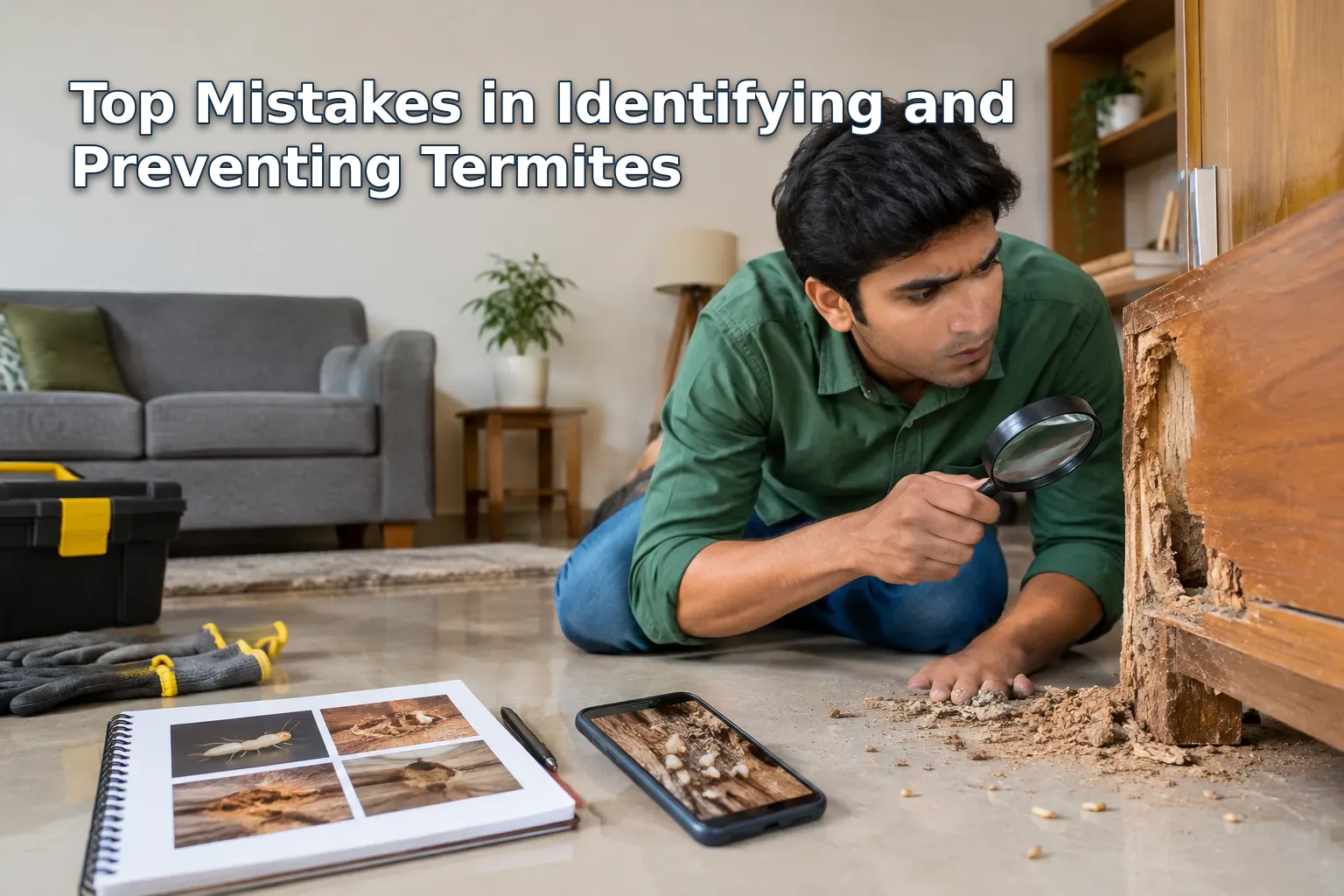
Importance of Correct Termite Identification
Correct identification of termites is paramount for effective prevention and control. Misidentifying termite species can lead to ineffective treatment strategies and further damage. Some common mistakes people make during termite control include confusing winged termites with flying ants, overlooking subtle termite activity signs, and underestimating the importance of regular inspections.
- Common Mistake: Confusing Termites with Ants
- Identify the Differences: Termites have straight antennae, a uniform waist, and equal-sized wings, whereas ants have elbowed antennae, a pinched waist, and wings of different lengths.
- Action: During the swarming season, observe insects closely for these characteristics.
- Overlooking Termite Activity Signs
- Subtle Indicators: Termite damage can be hidden within walls or beneath floors. Look for mud tubes on walls or foundations, hollow-sounding wood, and frass—a powdery substance resembling sawdust—which is a sign of drywood termite activity.
- Action: Conduct regular visual inspections, paying close attention to these specific signs.
- Ignoring Moisture Sources
- Moisture Issues: Termites thrive in moist environments. Poor drainage, leaky pipes, and inadequate ventilation create ideal conditions for termite colonies.
- Action: Address these moisture problems promptly to create an unsuitable environment for termites.
- Underestimating Long-term Prevention Methods
- Structural Barriers: Use non-odorless treatments such as metal mesh barriers and professionally installed physical barriers to prevent termite entry.
- Gel Baiting Systems: Employ baiting to intercept foragers before they reach your property.
To effectively prevent termite infestations, prioritize regular professional inspections which adhere to integrated pest management standards. Inspections not only help identify the correct termite species but also aid in assessing potential entry points and environmental conditions conducive to infestation. Understanding these aspects and avoiding common mistakes sets the foundation for successful termite identification and prevention strategies.
Recognizing Early Termite Activity Signs
Early identification of termite activity is essential to prevent significant damage, yet several common mistakes can obstruct effective termite control. Misidentifying termites is a frequent error; people often mistake them for ants due to their similar appearance during swarm season. To avoid this, note that termites have straight antennae, uniform waistlines, and equal-sized wings. Correct identification leads to more targeted prevention strategies.
Another mistake is neglecting to recognize subtle signs of termite activity. Unlike the dramatic images of severe infestation, early indications can be quite understated. Look for mud tubes, typically found along foundation walls or wooden structures. These pencil-sized shelters indicate subterranean termites traveling from the soil to their food source. Additionally, wood that sounds hollow when tapped or unexplained blistering in wood flooring can signal hidden termite presence.
Overlooking moisture management is another critical error. Termites thrive in humid environments, making moisture control a cornerstone of prevention. Ensure proper drainage around your house foundation, fix leaky pipes promptly, and keep gutters functional.
Avoid These Common Mistakes:
- Confusing Termites with Ants: Pay attention to key physical differences.
- Ignoring Proximate Damage Signs: Regular checks of wooden furniture and structures can reveal termites' trails.
- Overlooking Moisture: Inspect areas like basements and around downspouts.
- Not Using Odorless Treatments: Emphasize 100% odorless treatments to avoid unnecessary exposure to chemicals.
For effective prevention, establish a barrier using micro-encapsulated odorless formulations. This creates a formidable defense against termite intrusion without the drawbacks of odorless treatment. Finally, consider a professional inspection to detect less obvious signs of termite's early presence, optimizing your prevention strategy. With careful attention and avoidance of these common mistakes, you can effectively address termite threats before they escalate.
Common Misjudgments in Assessing Termite Damage
Mistakes in assessing termite damage can lead to costly repairs and ineffective pest management strategies. Many people wrongly attribute visible structural issues to other factors, overlooking clear indicators of termite presence. For accurate termite identification, pay attention to these often-misjudged signs:
- Discarded Swings or Wings: Often mistaken for harmless insect debris, piles of discarded wings are a strong indicator of a recent swarm event and potential termite infestation.
- Mud Tubes: Sometimes attributed to ground moisture issues, these pencil-thick tunnels on foundations are a direct path for subterranean termites, providing necessary moisture as they travel.
- Hollow Sounds in Wood: People often dismiss hollow sounds when tapping on wooden structures, considering natural wood characteristics rather than termite damage. Wood that sounds empty upon tapping may have been consumed internally by termites.
Proper termite control begins with effective identification and prevention, providing layers of protection for your property. Common mistakes in termite control often stem from inconsistent inspections and misunderstanding termite biology and behavior:
- Neglecting Regular Inspections: Annual professional inspections are crucial for catching termite activity early before extensive damage occurs. Relying solely on DIY checks can miss subtle signs.
- Ignoring Moisture Sources: Moist environments attract termites. A common mistake is not addressing leaking pipes, clogged gutters, or poor drainage, which can promote ideal living conditions for termites.
- Improper Wood Storage: Storing lumber or firewood against buildings can unintentionally direct termites toward structures. Always keep woodpiles elevated and distanced from structural foundations.
In terms of termite prevention, it's vital to prioritize these strategies within an Integrated Pest Management (IPM) approach:
- Eliminate Excessive Moisture: Regularly inspect the house for leaks.
- Seal Cracks and Crevices: Keep potential entry points tightly closed.
- Monitor Soil-to-Wood Contact: Minimize direct contact by maintaining significant clearance between the soil and any wooden structures.
Embracing these precautions, supported by periodic professional evaluations and odorless treatment options, will help safeguard your property from termite damage effectively.
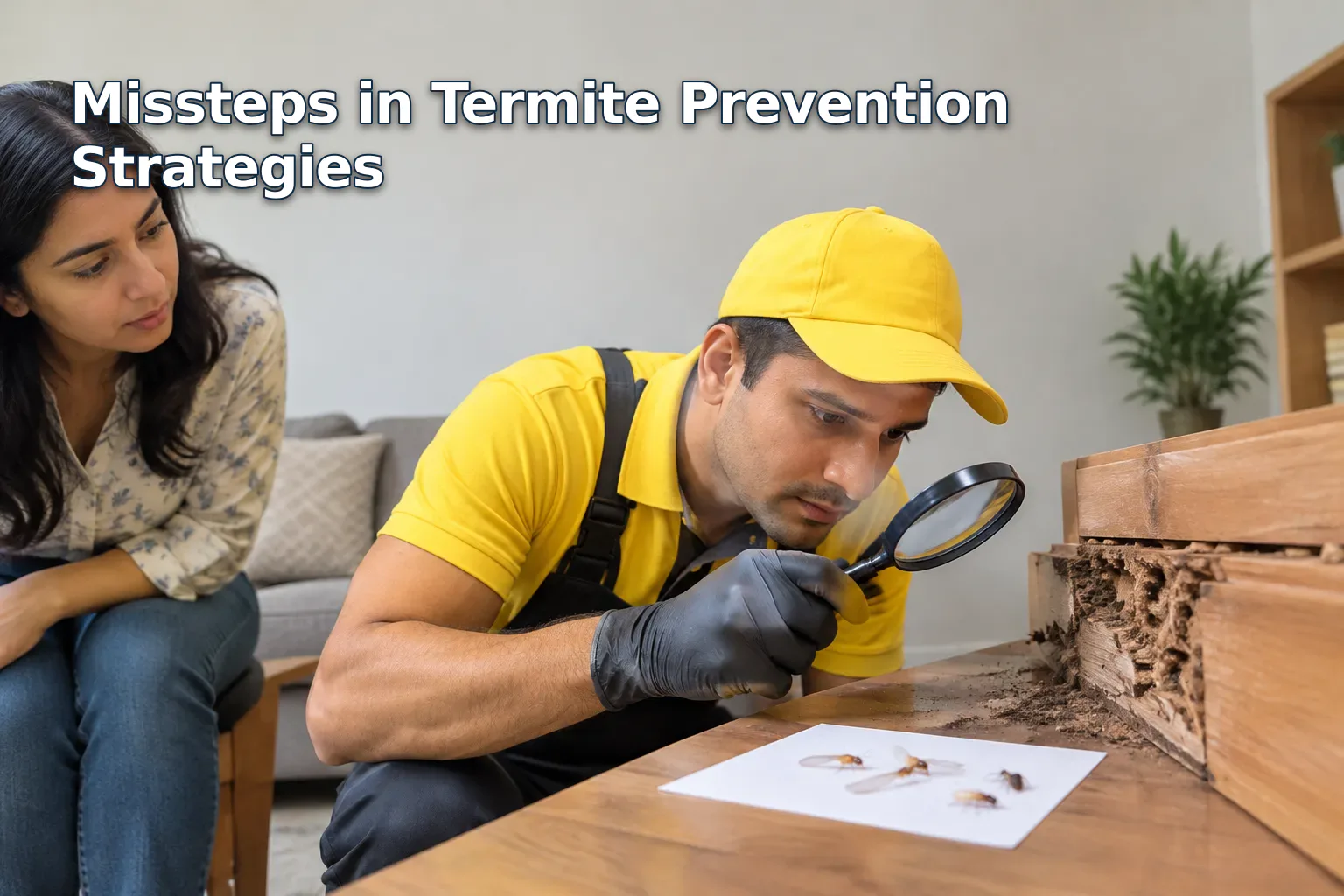
Missteps in Termite Prevention Strategies
Failing to accurately identify termites or their activity signs can lead to ineffective control measures. Knowing the difference between termites and other pests is crucial to inform appropriate action. Here’s how to avoid common mistakes in termite control:
- Misidentification of Pests: Many confuse ants with termites. Focus on unique identifiers: termite wings are equal in size, ants have bent antennae, and termite bodies are more uniform. Accurate identification leads to effective prevention.
- Neglecting Regular Inspections: Conduct regular checks, paying close attention to foundational elements such as wood piles, crawl spaces, and any soil-to-wood connections. These routine inspections are essential for early detection of termite activity.
- Ignoring Moisture Concerns: Excessive moisture attracts termites. Ensure adequate drainage around the home, fix leaks immediately, and consider installing dehumidifiers or proper ventilation in basements and crawl spaces to deter infestations.
- Overlooking Hidden Damages: Termites often remain unseen, causing damage within walls and floors. Be alert to signs such as hollow-sounding wood, peeling paint, and frass (termite droppings), which resemble sawdust or sand.
- Inadequate Barrier Protection: Without a protective barrier, termites may infiltrate undetected. Use micro-encapsulated odorless formulations that provide a long-lasting structural shield.
- Choosing Ineffective DIY Solutions: Home remedies and non-professional treatments can fail if not applied correctly. Relying on professional-grade solutions ensures that all entry points are effectively safeguarded.
- Delayed Professional Consultation: Many homeowners wait too long to consult experts, allowing infestations to worsen. Seek a professional inspection to assess risks accurately and implement strategic prevention methods promptly.
By carefully examining these pitfalls and enacting effective prevention strategies, you maximize protection against unwanted termite damage. Focus on diligent maintenance, immediate correction of conducive conditions, and informed identification to maintain a termite-free environment.
Mistakes in Choosing Termite Treatments
Choosing the wrong treatment for termite control can lead to prolonged infestations and increased damage costs. It's imperative to focus on accurate termite identification and understanding termite activity signs before settling on a control method. Missteps in this process often stem from common misconceptions and oversight.
Common Mistakes in Termite Control:
- Underestimating the Importance of Professional Inspections: Many individuals attempt to handle termite infestations on their own, overlooking the complex nature of termite behavior and ecology. Professional inspections can accurately identify termite species and determine the extent of the infestation, enabling more effective treatment strategies.
- Mistaking Termites for Ants: Termites often resemble ants, especially the winged varieties during swarming season. Misidentifying these insects can lead to improper control measures. Key differences include the straight waist and equal-length wings in termites compared to ants' pinched waist and unequal wings.
- Ignoring Moisture Sources: Termites thrive in moisture-rich environments. Failing to address leaky pipes, inadequate ventilation, and moisture-prone areas can provide subterranean termites with the ideal habitat to thrive. Carpentry and maintenance efforts should prioritize moisture control to prevent infestations.
- Neglecting Regular Monitoring: Assuming a one-time treatment is sufficient overlooks the potential for re-infestation. Continuous monitoring and maintenance through regular checks can preempt termite activities before significant damage occurs.
- Skipping Structural Barrier Protections: Failing to implement structural barriers can leave a building more susceptible to future invasions. These barriers can include physical mesh and advanced termite-resistant materials that deter entry.
Termite Prevention Checklist:
- Conduct regular professional inspections.
- Ensure proper identification of termites versus look-alike pests.
- Address any moisture issues promptly.
- Apply structural barriers and consider soil-based treatments where appropriate.
- Monitor termite activity signs, such as mud tubes and damaged wood.
Avoid common termite control pitfalls by ensuring accurate identification and preventive measures, steering clear of ineffective practices, and prioritizing professional guidance. This approach will better protect your property from termite damage and achieve long-term prevention.
Frequently Asked Questions
How can I correctly identify termites compared to flying ants?
Termites have straight antennae, a broad waist, and wings of equal length, whereas flying ants have elbowed antennae, a pinched waist, and wings of different lengths. Observing these characteristics helps differentiate them during swarm season.
What are the subtle signs of termite activity I should look for?
Look for mud tubes on walls or foundations, hollow-sounding wood, and small piles of frass, which resemble sawdust. These are indicators of termite activity, particularly from drywood termites.
Why is addressing moisture issues important in preventing termites?
Termites thrive in moist environments, so resolving moisture issues such as leaks, poor drainage, and inadequate ventilation can make your home less attractive to termite colonies and help prevent infestations.
What common mistakes do people make in choosing termite prevention strategies?
People often fail to regularly inspect for signs, address moisture issues, and differentiate between termite species, all of which are crucial for effective prevention strategies.
Related Guides
- Protecting Wooden Doors and Kitchens from Termites
- Effective Termite Control Strategies for Alibaug Properties
- Identifying Subterranean Termite Mud Tubes and Hidden Entry Signs
- Understanding Termite Treatment Costs in Alibaug: Odorless Options
- Early Warning Signs of Subterranean Termite Infestation
- Wood Preservation Techniques Against Subterranean Termites