
Understanding Termite Swarm Season and Swarmers in Hiding Colonies
Recognizing the Termite Swarm Season
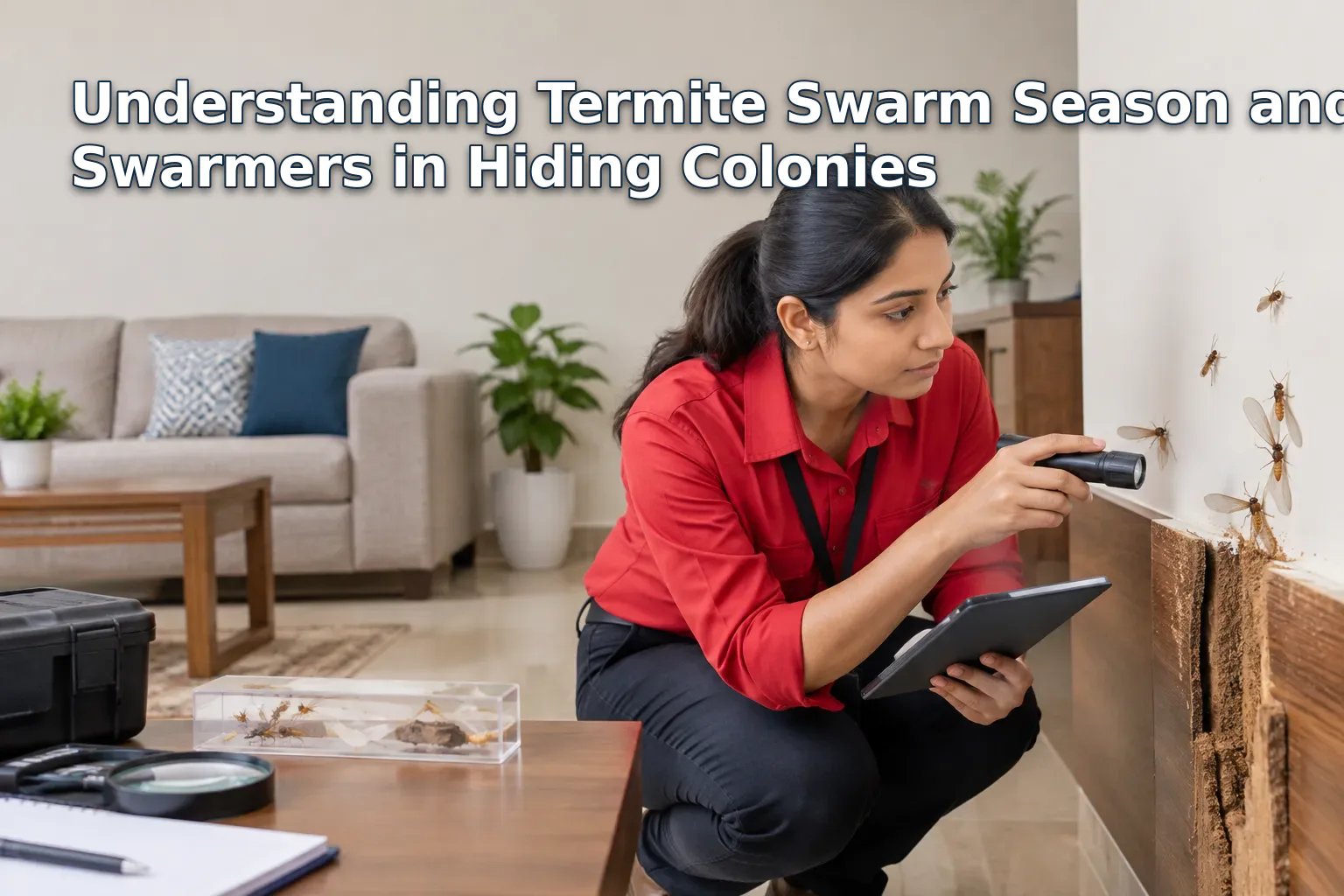
Recognizing the termite swarm season is essential to effectively identify and manage potential infestations. Termite swarming occurs primarily when reproductive termites, known as swarmers, exit their colonies in search of new nesting sites. Typically driven by environmental signals like temperature and humidity, swarm season varies by location but often peaks during spring and early summer.
Understanding the biology of termite swarming is critical:
- Termite Swarmers Meaning: Swarmers, or alates, are winged adults tasked with establishing new colonies. They are distinct from worker and soldier termites, possessing functional wings and reproductive capabilities.
- Termite Swarming Signs: Key indicators include discarded wings near windowsills, doors, and light fixtures where swarmers may have gathered. Another common sign is observing flying insects around these entry points.
- Why Swarm Season Matters: Spotting swarmers indoors is an alert that there might be an active hidden colony within or near your property, necessitating prompt attention.
Several steps can be taken to manage and prevent termite swarming:
- Regular Inspections: Schedule routine inspections to identify and address early signs of infestation. This includes looking for mud tubes, wood damage, and the subtle presence of swarmers.
- Moisture Control: Since termites are attracted to moisture, ensure proper drainage around your foundation and repair leaks to diminish favorable conditions for nesting.
- Structural Maintenance: Seal entry points, particularly around windows and doors, to deter swarmers from entering the building.
- Professional Assessment: Enlist professional termite inspectors to accurately identify colony presence and recommend odorless treatment solutions if necessary. Their expertise can guide you through the best prevention and treatment options for your specific situation.
By understanding termite swarm season and recognizing swarmers, you can take proactive measures to protect your home from these clandestine invaders. Regularly monitoring for signs and maintaining your property are fundamental steps in safeguarding against termites.

Functions of Swarmers in Termite Colonies
Termite swarmers, or alates, are the reproductive members of a termite colony, playing a crucial role in expanding and perpetuating their species. When the termite swarm season arrives, typically in the warmer months, these winged insects emerge from their hidden colonies, seeking to mate and establish new colonies. The appearance of swarming termites can signify a mature and thriving hidden colony nearby. This event is critical for termite biology, as it ensures genetic diversity and colony expansion.
Consider these vital signs indicating termite swarm season and possible hidden colonies:
- Presence of Wings: Discarded wings near windowsills or entry points often indicate swarmers have entered your living space. This can be a precursor to finding more significant signs of infestation.
- Transient Swarming Activity: Swarmers are more visible during their brief flight periods, typically after a warm rain. Noticing a sudden swarm inside the house or around foundations can point to termites originating in nearby soil or wood structures.
- Noise and Movement: Termites in swarming form, especially inside walls, may produce faint noises as they move. Watching carefully for these subtle indicators can be essential for early detection.
Understanding the biology of termite swarmers is vital. They ensure that colonies disperse and diversify, yet their presence demands immediate attention. Engaging professional inspection allows for identifying termite species and potential infestation points, considering factors like local climate, building materials, and landscape features. Utilizing micro-encapsulated, odorless treatments can effectively deter colony establishment without adverse effects. Enhancing structural barriers and conducting regular checks ensures you maintain a termite-resistant environment.
Proactively absorbing knowledge on termite behaviors and lifecycle adaptations will empower you to act swiftly, preserving your investments against these persistent pests. Preventative measures and informed vigilance can fortify your home long before swarmers take to the air.
Identifying Swarming Signs and Indicators
Recognizing the onset of termite swarm season is pivotal for early intervention and damage prevention. Swarmers, or alates, are winged termites that venture from their colonies to establish new nests. Understanding termite biology and swarming signs can help homeowners pinpoint the presence of a hidden colony.
Key indicators of termite swarming include:
- Wing Shedding: During swarm season, you'll often find discarded wings near windowsills or light sources. These wings, translucent and delicate, are among the earliest signs of termite activity.
- Sighting of Swarmers: Seeing swarmers indoors often indicates a mature, hidden colony within or near your property. They are attracted to light and can be mistaken for flying ants. Notably, termite swarmers have straight antennae, equal-length wings, and a uniformly broad waist.
- Mud Tubes: Though not exclusive to swarming, mud tubes on walls or foundations signal the presence of subterranean termites shielding themselves while traveling.
- Audible Noises: Soldier termites tap their heads against walls and woodwork as part of a communication ritual during swarming, producing faint noises detectable in quiet environments.
To effectively monitor and manage swarmers:
- Regular Inspections: Engage a professional to conduct thorough inspections, focusing on common termite ingress points and conducive conditions.
- Natural Barriers: Moisture control around foundations may repel initial swarming attempts since termites are drawn to damp environments.
- Structural Modifications: Seal gaps, cracks, and crevices that can serve as entry points for termites or swarmers.
- Odorless Treatments: Utilize our exclusive odorless treatments, which are safe for household members, including pets, and provide a non-intrusive yet effective barrier against termites.
By comprehending these swarming phenomena and taking preemptive action, termite infestations can be minimized or even completely avoided, safeguarding your property from hidden colonies.
Swarming Behavior Differences Between Termite Types
Subterranean and drywood termites exhibit distinct swarming behaviors, crucial for understanding the onset of termite swarm season. Subterranean termites typically swarm in warm, moist climates following rainfall in spring or summer, while drywood termites may swarm during late summer or early autumn during drier conditions. Recognizing the differences can aid in identifying the type of termite infestation in your area.
Swarmers Explained:
- Termite swarmers meaning: These are winged adults produced by colonies for reproductive purposes. Their emergence is a primary indicator of a hidden colony nearby.
- Key swarming signs: Discarded wings around windowsills, doors, and other entry points. Short bursts of flight or settling near light sources are typical swarm behaviors.
Comparative Analysis of Termite Types:
| Termite Type | Preferred Swarming Season | Flight Conditions |
|---|---|---|
| Subterranean | Spring/Summer | Warm, humid, after rain |
| Drywood | Late Summer/Autumn | Warm, dry weather |
Identifying Hiding Colonies:
- Moisture attraction: Especially for subterranean termites, moisture levels significantly influence colony visibility. Regular checks around foundations and leaks can preemptively indicate swarm timing.
- Mud tubes marking access points: This is a signature of subterranean termites. Look for these on walls and foundations to trace back to hidden colonies.
Prevention and Actionable Strategies:
- Install micro-encapsulated barrier protections: This creates an odorless, undetectable barrier, reducing the risk of intrusion without disturbing your living environment.
- Conduct regular inspections: Maintain vigilance on signs of swarming throughout the year, especially post rainfall or during the expected swarming periods.
Understanding these behaviors and taking proactive steps, such as inspecting for moisture and mud tubes, can bolster your defenses against infestation. Consistent vigilance and strategic placement of odorless treatments can significantly mitigate the risk of undetected colony expansion during the termite swarm season.
Odorless Treatments for Effective Termite Swarm Control
Understanding termite swarm season and the role of swarmers in colonies can significantly aid in preventing infestations. Swarmers, or alates, are reproductive termites emerging primarily during swarm season to establish new colonies. This biological imperative serves as a vital indicator of potential hidden termite colonies. Recognizing these signs is often the first step towards effective management.
Key Insights on Termite Swarmers and Colonies:
- Swarm Season Timing: In most regions, termite swarming typically occurs in the spring or early summer, coinciding with warm temperatures and humidity. Monitoring local climate patterns can help anticipate swarm activity.
- Swarming Signs: Look for discarded wings near windowsills or entry points, swarming insects indoors or outdoors, and mud tubes, which suggest active infestations nearby.
- Understanding Swarmers: Swarmers are often confused with winged ants but can be distinguished by their equal-sized wings, straight antennae, and uniform waist.
- Hidden Colony Indicators: The emergence of swarmers usually signals a mature colony nearby. Inspecting for hollow-sounding wood, sagging floors, or bubbling paint can uncover these hidden threats.
Actionable Steps for Homeowners:
- Regular Inspections: Engage professionals for annual termite inspections, focusing on moisture-prone areas and structural voids where termites thrive.
- Preventative Measures:
- Maintain proper drainage and ventilation to reduce moisture.
- Seal cracks and gaps in foundations and entry points.
- Use termite-resistant materials in construction and landscaping.
Advanced Control Through Odorless Treatments:
Harness the advantages of micro-encapsulated odorless formulations and gel baiting systems. These treatments target termites without the pungent smells of conventional methods. A professional licensed to handle these specialized treatments will ensure that they are correctly applied in key areas to interrupt swarm activity and safeguard structures.
Understanding and acting upon these insights and strategies aids in controlling termite swarming and fortifying homes against hidden colonies. For supplementary guidance, delve into related articles on termite prevention and advanced treatment methodologies.
Frequently Asked Questions
What triggers termite swarm season?
Termite swarm season is primarily triggered by environmental signals such as temperature and humidity. Swarming tends to occur in spring and early summer when conditions are warm and humid, which facilitate the movement of winged reproductive termites, known as swarmers, in their quest to start new colonies.
How can I identify termite swarmers?
Termite swarmers can be identified as winged adults that resemble flying ants. They often have a uniform waist, straight antennae, and equal-length wings. Sightings of these insects, especially near windowsills or light fixtures, and discarded wings are indicators of their presence.
What are the signs of a termite swarm?
Signs of a termite swarm include finding clusters of winged insects flying around lights, discarded wings near windowsills and doors, and a sudden increase in termite activity around your property. Seeing swarmers indoors suggests an active hidden colony nearby.
How do different termite types behave during swarming?
Subterranean termites usually swarm during daylight after a rain, while drywood termites might swarm at night. Each type has a preferred season and environmental condition for swarming, which is essential for identifying the specific termite issue and guiding control measures.
Related Guides
- Protecting Wooden Doors and Kitchens from Termites
- Effective Termite Control Strategies for Alibaug Properties
- Understanding Termite Treatment Costs in Alibaug: Odorless Options
- Top Mistakes in Identifying and Preventing Termites
- Identifying Subterranean Termite Mud Tubes and Hidden Entry Signs
- Early Warning Signs of Subterranean Termite Infestation